Why Is Dental Anxiety Management Important?
Dental anxiety management matters because fear can quietly turn a routine check-up into a postponed appointment. A buzzing handpiece, bright examination light, or the smell of disinfectant may trigger a rapid heartbeat. Some patients avoid care for months or years. The result can be worsening decay, pain, infection, and greater treatment needs. It is a difficult cycle.
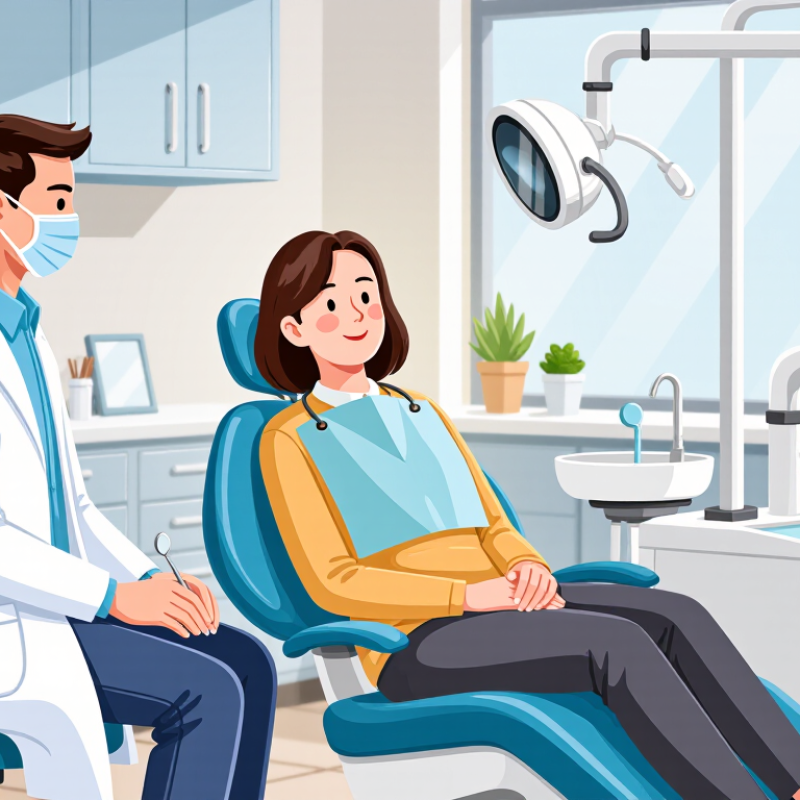
Peter Milgrom, a leading researcher in dental fear and behavioral dentistry, emphasized an important principle: “Dental fear should be discussed, not hidden.” This idea supports patient-centered care. A trained dental team can ask about previous experiences, explain each step, offer pauses, and agree on a hand signal before treatment begins. These details can restore a sense of control. Small choices matter.
Evidence-based dental anxiety management may include calm communication, gradual exposure, breathing exercises, distraction, and appropriate clinical support. Dentists can also adjust appointment length, reduce unexpected sounds, and explain sensations before they occur. Severe anxiety may require referral to a qualified mental-health professional or additional medical planning. Treatment should be individualized, not rushed.
Still, no method works perfectly for every patient. A breathing exercise may help one person but frustrate another. That limitation deserves honesty. Effective care depends on trust, consent, and regular review. When patients feel heard, they are more likely to return, ask questions, and accept preventive treatment. Dental anxiety management is not about forcing bravery. It is about making safe care feel possible.
What Dental Anxiety Means and How It Affects Oral Health
Why Is Dental Anxiety Management Important?
What Dental Anxiety Means and How It Affects Oral Health
Dental anxiety is a strong emotional response to dental care. It may involve fear, embarrassment, loss of control, or concern about pain. Some patients notice a racing heart before entering the clinic. Others feel tense when they hear a handpiece or smell disinfectant. These reactions are real, even when treatment is clinically safe.
In practice, dental teams often see anxiety change oral health decisions. A worried patient may postpone an examination for months or avoid discussing bleeding gums. Small cavities can then become painful and require more complex care. Gum inflammation may worsen when brushing feels uncomfortable. Anxiety can also reduce sleep and make pain feel more intense. The cycle is difficult to break.
Effective management begins with respectful communication. A clinician can explain each step, check consent, and agree on a pause signal. Short appointments may feel more manageable than long procedures. Slow breathing can help, but it does not work perfectly for everyone. That matters. Anxiety is not a simple choice or a personal failure. Patients should describe past experiences, physical symptoms, and specific triggers honestly. Dental professionals can then adjust the pace, provide appropriate pain control, and monitor comfort throughout treatment. Regular preventive visits may become easier when the patient feels heard, although progress is rarely perfectly smooth.
Why Is Dental Anxiety Management Important?
Dental anxiety can make people postpone or avoid dental visits, reducing opportunities for prevention and early treatment. The chart shows reported dental anxiety prevalence in selected population studies; estimates vary because researchers use different questionnaires and thresholds.
Reported prevalence: 11.6% among adults in the United Kingdom using the Modified Dental Anxiety Scale (Humphris et al., 2009); 16.4% among adults in Australia using the Dental Fear Survey (Armfield et al., 2006); and approximately 15.3% pooled prevalence among adults in a systematic review (Silveira et al., 2021). Effective management can support regular attendance, preventive care, communication, and earlier treatment.
Common Causes and Symptoms of Dental Anxiety
Why Is Dental Anxiety Management Important?
Dental anxiety often begins with a specific memory. A painful injection, a rushed appointment, or the sound of a dental drill can remain vivid for years. Some people fear needles, gagging, bleeding, or losing control in the chair. Others worry about judgment because of neglected teeth. Cost concerns and previous negative experiences may add another layer.
The symptoms can appear before treatment starts. A patient may cancel appointments, lose sleep, or feel sick in the waiting room. During an examination, common signs include sweating, a racing heart, tight shoulders, trembling, and shallow breathing. Some patients become unusually quiet. Others ask repeated questions or avoid opening their mouths. These reactions are real, even when the procedure seems routine to a dental professional.
Careful management helps the patient share concerns before fear becomes overwhelming. A dentist can explain each step, pause when requested, and agree on a simple hand signal. Slow breathing may reduce muscle tension, while bringing a written list of fears can make conversation easier. Honest communication matters more than appearing brave. I once assumed that a calm-looking patient felt comfortable, but that assumption was wrong. Anxiety can stay hidden behind polite agreement, so dental teams should check understanding and comfort throughout the visit.
| Dimension | Common Causes or Triggers | Typical Symptoms and Behaviors | Why Management Is Important |
|---|---|---|---|
| Previous negative dental experiences | Painful treatment, difficult procedures, feeling rushed, or poor communication during an earlier appointment. | Fear before appointments, avoidance of treatment, heightened alertness, or strong reactions to dental instruments and sounds. | Addressing past experiences can rebuild trust, improve communication, and make future preventive care more likely. |
| Fear of pain or injections | Concern about local anesthetic injections, sensitivity, drilling, extraction, or the possibility of unexpected discomfort. | Muscle tension, sweating, rapid heartbeat, trembling, nausea, or repeatedly asking whether a procedure will hurt. | Early discussion of pain-control options allows the dental team to adjust the appointment and reduce unnecessary distress. |
| Loss of control or uncertainty | Not knowing what will happen, being unable to speak easily during treatment, or feeling unable to pause the procedure. | Need for frequent reassurance, difficulty sitting still, irritability, panic-like sensations, or requests to stop treatment. | Agreed stop signals, step-by-step explanations, and patient involvement can increase control and cooperation. |
| Embarrassment or fear of judgment | Worry about tooth appearance, breath, oral hygiene, missing teeth, or being criticized for delaying care. | Hiding the mouth, avoiding conversation, postponing appointments, or feeling shame when discussing oral health. | A supportive, nonjudgmental approach helps people seek care earlier and reduces the risk that shame will worsen avoidance. |
| Sensory sensitivities | Strong reactions to bright lights, clinical smells, dental sounds, touch, vibration, or the sensation of water and suction. | Discomfort with treatment sounds, gagging, sensory overload, restlessness, or difficulty tolerating instruments in the mouth. | Identifying sensory triggers makes it possible to plan breaks, modify the environment, and use appropriate coping techniques. |
| General anxiety or related fears | Generalized anxiety, panic symptoms, fear of blood or needles, traumatic experiences, or anxiety in medical settings. | Persistent worry, panic symptoms, dizziness, shortness of breath, nausea, or anxiety that begins days before the visit. | Recognizing related anxiety supports individualized care and may indicate a need for coordinated psychological support. |
| Appointment avoidance | Canceling visits, delaying treatment, attending only when symptoms become severe, or avoiding preventive examinations. | Irregular dental attendance, untreated cavities, gum problems, toothache, swelling, or increased need for complex treatment. | Managing anxiety helps maintain regular examinations and can reduce the likelihood of advanced disease and emergency treatment. |
| Physical stress response | Anticipation of dental care can activate the body’s normal fight-or-flight response, even when no immediate danger is present. | Increased heart rate, sweating, trembling, dry mouth, tense muscles, gastrointestinal discomfort, or difficulty sleeping. | Breathing exercises, planned pauses, clear communication, and appropriate clinical support can reduce physiological stress. |
| Impact on oral and general well-being | Long-term avoidance may allow plaque-related disease, decay, gum inflammation, or dental infection to progress. | Ongoing pain, difficulty eating, reduced confidence, sleep disruption, concentration problems, or emotional distress. | Timely anxiety management supports oral function, comfort, nutrition, confidence, and overall quality of life. |
| Helpful management approaches | Openly describing fears, agreeing on a stop signal, scheduling shorter visits, using relaxation techniques, and choosing appointment times with less pressure. | Greater sense of control, improved ability to attend appointments, reduced anticipatory worry, and better communication with the dental team. | Personalized planning can make routine care more achievable. Severe anxiety may require assessment by a qualified healthcare professional. |
How Dental Anxiety Can Delay or Prevent Dental Care
Dental anxiety can delay routine checkups, cleanings, and treatment. Some people cancel appointments after imagining pain, needles, or embarrassing questions. Others wait until a small cavity becomes severe pain. Untreated decay may progress to infection, broken teeth, or more complicated procedures. The longer care is postponed, the more difficult and expensive treatment may become. It can also create a painful cycle: fear leads to avoidance, and avoidance increases future fear.
Dental anxiety management helps patients attend care before problems become urgent. A dental professional can explain each step, agree on a stop signal, and use gentle pacing. Numbing medicine, breathing exercises, and gradual exposure may reduce distress. Some patients may benefit from counseling or medically supervised sedation. These options require an individual assessment, especially when health conditions or medicines are involved. No single method works for everyone. A plan may need adjustment, and pretending otherwise is unhelpful.
Tips: Tell the dental team about your anxiety before the appointment. Request short visits or a morning time when possible. Bring headphones, and practice slow breathing while sitting in the waiting room. Ask what sensations to expect, not only whether something will hurt. If you miss an appointment, contact the clinic instead of disappearing. Rebuilding trust can begin with one small visit.
Methods Dentists Use to Manage Patient Anxiety
Why Is Dental Anxiety Management Important?
Dental anxiety can make patients postpone care, even when tooth pain affects sleep or eating. Dentists manage this fear by creating a calm, predictable appointment. They ask about previous experiences, pain concerns, medical conditions, and personal triggers before treatment begins. A short conversation can reveal whether silence, injections, sounds, or loss of control causes the greatest distress. No method works for everyone.
Many dentists use the tell-show-do approach. They explain each step, demonstrate instruments safely, and proceed only after the patient understands. Agreeing on a hand signal gives patients control during treatment. Slow breathing, quiet pauses, supportive language, and comfortable positioning may lower physical tension. Some clinics offer headphones or visual distractions. These details matter. A dentist may also apply topical anesthetic before local anesthesia and check numbness carefully before starting.
For stronger anxiety, dentists may discuss inhaled sedation or other medically supervised options. A qualified professional should review health history, medications, allergies, and recovery needs first. Sedation is not a substitute for communication. It also requires appropriate monitoring and trained staff. Dentists should avoid promising a completely painless experience, because discomfort can still occur. A more honest goal is manageable treatment with clear choices. Sometimes the appointment needs to be shorter, slower, or postponed after reflection. That is not failure; it can protect trust and support future care.
Benefits of Addressing Dental Anxiety During Treatment
Why Is Dental Anxiety Management Important?
Benefits of Addressing Dental Anxiety During Treatment
Dental anxiety management supports safer, more consistent care. A systematic review in Community Dentistry and Oral Epidemiology estimated that about 15% of adults experience significant dental anxiety. That is not a minor inconvenience. Fear can delay checkups, worsen oral problems, and make future treatment more complex. Patients may avoid booking appointments after one painful or dismissive experience. Small details matter, too. A calm explanation, visible instruments, and an agreed stop signal can restore a sense of control.
Addressing anxiety also improves communication during treatment. Patients who feel heard are more likely to describe pain accurately and follow aftercare instructions. The Dental Anxiety Scale remains a widely used clinical screening tool, helping dental teams identify concerns before treatment begins. Evidence from behavioral and dental care research supports gradual exposure, clear information, relaxation techniques, and patient-controlled pauses. These approaches cannot remove every fear. They can reduce uncertainty.
The benefits may continue beyond one appointment. Regular attendance allows earlier detection of decay, gum disease, and oral lesions, often reducing invasive treatment needs. The World Health Organization reported that untreated dental caries affects around 2.5 billion people worldwide, showing why delayed care carries a serious burden. Yet anxiety management is not a perfect formula. A technique that comforts one patient may frustrate another. Clinicians should ask, observe, and adjust rather than assume. A quieter room may help. A slower explanation may help more.
Related Posts
-
How to Choose General Dental Care Products in 2026?
-
Top 10 Tips for Effective Oral Health Care Practices?
-

10 Tips for Buying Comprehensive Dental Care Products
-
Top 10 Advanced Dental Care Products for Global Buyers?
-
China Top Dental Wellness Solutions for Global Buyers?
-
Why Is Dental Treatment Planning Crucial for Successful Outcomes?
362 five star Google reviews
193 five star Yelp reviews