(310) 530-7011 Contact Us

Follow Us

10 Tips for Buying Comprehensive Dental Care Products

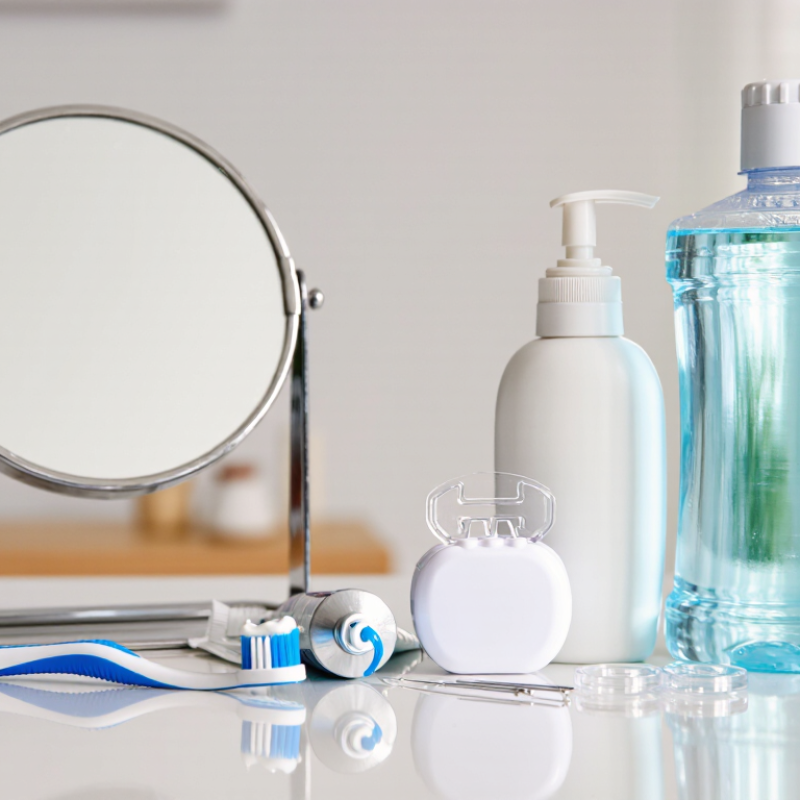
Choosing comprehensive dental care products can feel simple until the shelf fills with pastes, rinses, brushes, and bold promises. A useful routine is less about owning everything and more about choosing products that match your needs. Think of a soft-bristled brush, fluoride toothpaste, floss or an interdental cleaner, and mouthwash only when appropriate. Evidence matters.

The World Health Organization’s Global Oral Health Status Report (2022) estimates that oral diseases affect nearly 3.5 billion people worldwide. Untreated decay in permanent teeth is the most common condition. WHO Director-General Dr. Tedros Adhanom Ghebreyesus said, “Oral health has long been neglected in global health, but many oral diseases can be prevented and treated with the cost-effective measures outlined in this report.” Prevention starts with daily habits, but one product cannot suit every mouth.

This guide shares 10 tips for comparing ingredients, checking credible product seals, and avoiding claims that sound stronger than their evidence. In the United States, the American Dental Association Seal of Acceptance can help shoppers identify products evaluated for safety and effectiveness. Check labels, especially if you have sensitivity, dry mouth, braces, or a history of gum problems. A bright package is not proof. Nor is the priciest kit automatically the best choice. Ask a dentist or hygienist when your needs are unclear; product advice should fit your mouth, not just a trend. These tips are a starting point, not a substitute for individualized care.
10 Tips for Buying Comprehensive Dental Care Products

Identifying Your Oral Health Needs and Daily Care Priorities

Choosing comprehensive dental-care products starts with your own mouth, not a crowded bathroom shelf. Note whether you have sensitivity, bleeding gums, dry mouth, braces, or frequent cavities. A dental professional can help distinguish a product preference from a clinical need. That distinction matters. The WHO Global Oral Health Status Report (2022) estimates that oral diseases affect nearly 3.5 billion people worldwide; untreated decay in permanent teeth is the most common condition. So, for cavity prevention, look for fluoride toothpaste and a soft-bristled brush, rather than extra features you may not use.

Daily priorities differ. CDC analysis of U.S. survey data found that about 42% of adults aged 30 and older had periodontitis, underscoring why gum care deserves attention. If cleaning between teeth is difficult, compare floss, interdental brushes, or a water flosser by comfort and ease of use. For sensitive teeth, check that the toothpaste is formulated for sensitivity, and ask a dentist if pain persists. Labels can feel reassuring, but they cannot diagnose the cause. I can also overcomplicate a shopping list; a simpler routine used consistently may serve better than a drawer of abandoned products. Keep track of what causes irritation, and bring that information to your next dental visit.

Comparing Toothbrushes, Toothpaste, Floss, and Other Essentials

A useful dental-care kit starts with a soft-bristled toothbrush and fluoride toothpaste. The American Dental Association recommends brushing twice daily for two minutes; either a manual or powered brush can work when used correctly. Fit matters. Choose a handle you can control around the back molars, and replace the brush every three to four months, or sooner if its bristles splay. For toothpaste, check the active ingredients and choose fluoride unless a dental professional advises otherwise. Whitening claims are less important than consistent cleaning.

Floss or another interdental cleaner reaches spaces a brush misses. Pick a type you can use comfortably: waxed floss may slide more easily between tight teeth, while interdental brushes can suit wider gaps. Don’t force either into a space. The CDC’s 2019 Oral Health Surveillance Report found untreated tooth decay in about one in four U.S. adults aged 20–64. That figure is a reminder that small daily choices matter, though home care cannot replace dental checkups.

Mouthrinse is an optional extra, not a substitute for brushing or cleaning between teeth. Some rinses contain fluoride; others target specific concerns, so ask a dental professional if you have dry mouth, sensitivity, or gum problems. A crowded bathroom shelf can feel reassuring. It may not mean better care. Spend on essentials you’ll actually use, and review your routine when your needs change.

Checking Ingredients, Safety Standards, and Professional Recommendations

Choosing dental care products is easier when the label answers practical questions. Check the active ingredients and their stated purpose; fluoride toothpaste, for example, helps prevent tooth decay. Avoid assuming that “natural” means safer or more effective. Look for clear directions, an expiry date, and a recognized independent review, such as the American Dental Association Seal of Acceptance. A seal is useful, not a substitute for advice tailored to your mouth.

Tips: Match the product to a specific need, such as sensitivity or dry mouth. Read warnings and age guidance, especially for children. If an ingredient is unfamiliar, ask a dentist or pharmacist before using it. Keep the packaging for reference.

Professional guidance matters because dental needs vary. The World Health Organization’s 2022 Global Oral Health Status Report estimates that oral diseases affect nearly 3.5 billion people worldwide. That scale makes prevention important, but no single product fits everyone. Ask your dentist whether a product suits existing fillings, gum problems, or sensitivity. I would not choose by a polished front label alone; small print is easy to miss, and even careful shoppers can overlook it. Brush twice daily with fluoride toothpaste, unless a dental professional advises otherwise.

Choosing Fluoride Toothpaste: Minimum Recommended Concentrations

Check the fluoride concentration on the packaging. UK NHS guidance recommends at least 1,000 ppm for children under 7 and 1,350–1,500 ppm for people aged 7 and over. The chart shows the minimum concentration for each group; individual advice may vary. Ask a dental professional if you are unsure which product is appropriate. Source: NHS guidance on cleaning your teeth.

Evaluating Product Compatibility, Accessibility, and Long-Term Cost

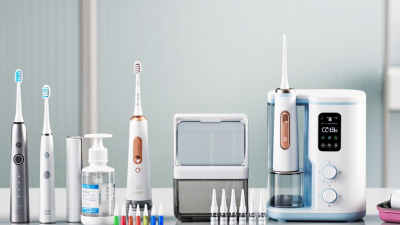
A “complete” dental kit is useful only when its parts fit your routine and each other. Check whether replacement brush heads match the handle, and whether the charger works with your bathroom setup. If you use a night guard or orthodontic appliance, ask your dentist which cleaning products are suitable. Some ingredients may not be appropriate for every appliance. Small print matters.

Accessibility is practical, not optional. A thick handle may be easier to grip with wet hands, while a compact floss holder can help reach back teeth. Look for clear instructions, readable labels, and replacement parts sold through stores you can actually reach. A product that is technically available online may still be inconvenient if delivery is unreliable. Test the grip if possible. I once overlooked that.

Compare long-term costs, not just the price on the shelf. Add up brush heads, floss, batteries, charging parts, and any special cleaners over a year. A low-cost device can become expensive when its parts are hard to find. Reusable options may reduce waste, but only if you can clean and maintain them consistently. Keep receipts and note replacement dates; estimates are imperfect. For advice on suitability, especially with sensitive teeth or dental work, ask a licensed dental professional rather than relying on packaging alone.

10 Tips for Buying Comprehensive Dental Care Products - Evaluating Product Compatibility, Accessibility, and Long-Term Cost
# Buying tip What to check Compatibility and accessibility Typical U.S. cost guide Long-term cost consideration
1 Choose a toothbrush you can use consistently Look for soft bristles and a head size that reaches the back teeth comfortably. Replace the brush or brush head about every three to four months, or sooner if bristles become frayed. A manual brush is simple and needs no charging. A powered brush may be easier for some people with limited hand movement; check that replacement heads are readily available. Manual brush: about $2–$8 each. Powered handle: about $20–$100, plus replacement heads. Manual brushes typically cost about $8–$32 per year with quarterly replacement. Powered-brush costs also include heads, batteries, or charging.
2 Check toothpaste ingredients and intended use For routine cavity prevention, choose toothpaste with fluoride and follow the product directions. Ask a dental professional before choosing a specialty formula for a specific condition. Consider flavor, texture, and packaging if you have sensory preferences or difficulty squeezing a tube. People with particular dental needs should confirm suitability with their dentist. Common toothpaste tubes: about $3–$8, depending on size and formula. Compare price per ounce rather than relying on package price. Specialty formulas may cost more and may not be needed for everyone.
3 Select an interdental cleaner that fits your teeth Options include string floss, floss picks, and interdental brushes. Use a size that cleans between teeth without forcing or injuring the gums. Braces, bridges, implants, and wider spaces may require a different tool or technique. A dental professional can help identify a suitable size and method. Floss: about $2–$6 per package. Interdental brushes: often about $5–$12 per pack. Cost depends on how often the product is used and replaced. Reusable handles may still require frequent replacement of the cleaning head or brush.
4 Check cleaning tools against orthodontic appliances If you wear braces, a retainer, or aligners, confirm whether the product is intended for use with that appliance and follow your orthodontist’s cleaning instructions. Some brushes and flossing aids are designed to reach around wires or attachments. Removable aligners are generally cleaned separately from teeth, according to the manufacturer’s instructions. Special flossing aids and orthodontic brushes commonly cost about $3–$15 per pack. Include replacement supplies in the total cost of orthodontic care; avoid buying a device that cannot be used with your appliance.
5 Compare water-flosser features, not just the initial price Check pressure settings, reservoir capacity, cleaning instructions, power source, and the availability and price of compatible tips. A larger handle or simple controls may be easier for some users. Confirm the device can be used safely with your dental work and any clinician-recommended routine. Many countertop or portable models cost roughly $30–$100; replacement tips commonly cost extra. Account for replacement tips, electricity or batteries, and eventual device replacement. A water flosser does not automatically replace other recommended cleaning methods.
6 Buy mouth rinse for a clear purpose Read the active ingredients and directions. Cosmetic rinses freshen breath; therapeutic rinses may have specific uses and instructions. Do not treat rinse as a substitute for brushing and interdental cleaning. Check alcohol content, flavor, and any age or medical warnings on the label. Ask a dentist or pharmacist if you are unsure whether a rinse is suitable for you. Common bottles cost about $4–$10, varying by size and formula. Estimate cost from the label’s dose and how often you will use it. Regular use can make a low-priced bottle an ongoing expense.
7 Choose denture products made for your appliance For removable dentures, follow the denture maker’s and dental professional’s cleaning guidance. Use products labeled for dentures rather than assuming ordinary toothpaste is suitable. Check whether the cleaner is intended for full or partial dentures and whether it is compatible with any metal components. Keep cleaning products away from children. Denture cleansers commonly cost about $5–$15 per package; prices vary by quantity and format. Compare the number of cleaning tablets or uses per package. Add any separately recommended brush or storage-container costs.
8 Evaluate whitening products carefully Compare the active ingredient, directions, treatment duration, and warnings. Whitening can cause temporary sensitivity or gum irritation; follow the label and stop if significant problems occur. Restorations such as crowns and fillings may not whiten like natural teeth. Consult a dental professional before whitening if you have oral-health concerns or extensive dental work. Over-the-counter whitening strips or kits often cost about $20–$60 per course. Whitening is optional and results may need maintenance. Include repeat treatments and possible sensitivity-care products when comparing total cost.
9 Prioritize accessible packaging and controls Inspect cap size, grip, print readability, button layout, charging method, and whether the product is easy to clean and store. For limited grip, vision, or coordination, consider larger handles, non-slip surfaces, clear labels, or simple controls. If possible, test the grip before buying. Accessible options range widely in price; compare the features you will actually use rather than paying for unnecessary extras. A product that is comfortable and easy to operate is more likely to be used regularly. Check whether replacement parts remain affordable and available.
10 Compare total cost over time List the purchase price, consumables, replacement schedule, batteries or charging needs, and any delivery costs before choosing a product. Confirm that refills and replacement parts are easy to obtain locally or online, and that they fit the exact product model. Prices vary by retailer, location, size, and product type; check current local prices and the unit price on the shelf or listing. Estimate a one-year cost using the labeled replacement frequency. A higher upfront price may or may not save money over time, depending on refill costs and product lifespan.

Cost figures are approximate U.S. retail ranges for general comparison, not quotes. Prices vary by location, retailer, package size, and product features. Follow product labels and consult a dental professional for advice tailored to your oral health.

Choosing, Using, and Replacing Dental Care Products Effectively

Choosing dental care products starts with your needs, not the biggest package. A soft-bristled toothbrush is suitable for many people; choose a handle you can control comfortably. Look for toothpaste containing fluoride, unless a dental professional has advised otherwise. If your teeth are sensitive or you wear braces, ask your dentist which products may fit your routine. Small details matter. A brush that feels awkward may sit unused beside the sink. Check labels, too, and avoid assuming that “extra strength” means better for you.

Use a pea-sized amount of toothpaste for adults, and brush gently for two minutes, morning and night. Clean between teeth daily with floss or an interdental brush that fits without forcing. Mouthwash can be useful for some people, but it should not replace brushing or cleaning between teeth. Rinse brushes thoroughly and let them air-dry upright. Replace a toothbrush about every three to four months, or sooner if the bristles fray. Wear shows. Products also have instructions and expiry dates; check both. A perfect routine is hard to keep, and skipping a step sometimes happens. If bleeding, pain, or persistent bad breath continues, seek dental advice rather than simply switching products.

Skip footer

Join our dental family today.

Torrance DentistryDr. Steve & Daniel Yabuno

Address

3500 Lomita Blvd #103
Torrance, CA 90505

Opening Hours

  • Monday: 8:00 am - 5:30 pm
  • Tuesday: 8:00 am - 5:30 pm
  • Wednesday: 8:00 am - 5:30 pm
  • Thursday: 8:00 am - 5:30 pm
  • Friday: 8:00 am - 2:00 pm
  • Saturday: 8:00 am - 2:00 pm

Phone

(310) 530-7011

Follow Us