(310) 530-7011 Contact Us

Follow Us

Top 10 Advanced Dental Care Products for Global Buyers?

Advanced dental care is moving beyond basic brushing. Global buyers now seek products that combine clinical evidence, user comfort, smart technology, and reliable manufacturing. The World Health Organization’s Global Oral Health Status Report (2022) estimates that oral diseases affect nearly 3.5 billion people worldwide. Untreated dental caries remains one of the most widespread health conditions. That figure changes the purchasing conversation. Buyers must examine more than packaging, price, and online ratings.

This guide reviews ten advanced dental care products for international markets, including electric toothbrushes, water flossers, fluoride systems, enamel-support formulas, oral irrigators, and connected monitoring devices. The American Dental Association recommends brushing twice daily with fluoride toothpaste and cleaning between teeth regularly. These basics still matter. Technology should support them, not replace them. Dr. Nigel Carter OBE, former chief executive of the Oral Health Foundation, has stated, “A healthy mouth is essential for a healthy body.” His point remains practical for product selection and public health planning.

Reliable sourcing requires careful questions. Does the product have appropriate safety documentation? Are clinical claims supported by transparent studies? Can replacement heads, chargers, and consumables reach different regions consistently? Buyers should also consider water pressure, battery life, accessibility, packaging waste, and local labeling requirements. Some products look advanced but offer limited evidence. That deserves scrutiny. This overview therefore focuses on useful innovation, measurable performance, and realistic daily use. It is not a perfect checklist. Markets differ, and dental needs differ even more. Still, informed comparison can help distributors, retailers, clinics, and households choose safer and more valuable solutions.

Top 10 Advanced Dental Care Products for Global Buyers?

Defining Advanced Dental Care Products and Their Global Applications

Advanced dental care products are not defined by futuristic design alone. They combine preventive science, measurable performance, and user-friendly technology. Examples include electric toothbrushes with pressure sensors, water flossers, interdental cleaners, fluoride toothpaste, remineralizing gels, night guards, oral scanners, and portable sterilization units.

The World Health Organization’s Global Oral Health Status Report (2022) estimates that nearly 3.5 billion people live with oral diseases. Untreated cavities affect about 2.5 billion people with permanent teeth, according to the Global Burden of Disease study. These figures explain the global demand for affordable prevention. In urban clinics, digital scanners can support faster assessments. In remote areas, rechargeable brushes and compact water flossers may improve daily hygiene. However, “advanced” can mislead. A sensor cannot replace proper technique, professional diagnosis, or regular cleaning. Evidence remains more important than a bright screen.

Tips: Global buyers should check clinical evidence, material safety, battery standards, warranty support, and local regulatory requirements. Confirm whether claims are supported by published studies. Product instructions should match local languages and user habits. Buyers should also test durability in humid bathrooms and unstable power conditions. WHO guidance supports fluoride use, but concentration and labeling rules can differ between markets. That detail is easy to overlook. Even experienced buyers sometimes compare features instead of long-term oral health outcomes.

Top 10 Advanced Dental Care Products for Global Buyers

Defining Advanced Dental Care Products and Their Global Applications

The chart compares ten advanced dental care product categories by the number of established application areas they support. The applications include plaque control, interdental cleaning, orthodontic care, implant maintenance, periodontal care, caries prevention, denture care, dry-mouth support, oral assessment, and professional treatment assistance. The score reflects application coverage rather than sales volume or brand performance.

Evaluating Essential Features, Materials, and Safety Standards

For global buyers, advanced dental care products should be judged by evidence, not glossy specifications. The WHO Global Oral Health Status Report 2022 estimates that oral diseases affect nearly 3.5 billion people worldwide. That scale makes hygiene access, durability, and safe materials commercial priorities. Useful products include powered brushes, oral irrigators, curing devices, intraoral cameras, and protective mouthguards. Their essential features differ. A brush needs controlled pressure and replaceable heads. An irrigator needs stable flow, leak resistance, and easy tank cleaning. Small parts matter more than many buyers expect.

Materials deserve equal scrutiny. Medical-grade silicone, tested polymers, and corrosion-resistant stainless steel can reduce irritation and contamination risks. However, “medical-grade” alone proves little. Ask for material specifications, allergen declarations, and test reports. For patient-contact components, check whether biocompatibility testing follows ISO 10993. Electrical devices may require relevant IEC 60601 safety testing, while manufacturers should show ISO 13485 quality systems. The Global Burden of Disease Study 2019, published in The Lancet, identified oral disorders among the most widespread health conditions. Yet, standards do not guarantee perfect real-world performance. Cleaning instructions can be unclear. Users may still overuse pressure or ignore damaged seals.

Tips: Compare independent test results, warranty terms, spare-part availability, and local electrical requirements. Request batch traceability and clear labeling in the destination language. Check whether packaging protects clean components during humid transport. A lower price can hide higher replacement costs. Not always. But often.

Top 10 Advanced Dental Care Products for Global Buyers? - Evaluating Essential Features, Materials, and Safety Standards

Rank Product Category Advanced Functions Key Materials Typical Technical Specifications Relevant Safety Standards and Checks Global Buyer Evaluation Points
1 Rechargeable Sonic Toothbrush High-frequency powered brushing, multiple cleaning modes, two-minute timer, quadrant pacing, pressure alert, and low-battery indicator. Food-contact-grade polypropylene or ABS handle, nylon bristles, silicone grip, stainless-steel drive shaft, lithium-ion battery. Common operating range of approximately 20,000–40,000 brush movements per minute; replaceable brush head; water-resistant housing. ISO 20126 for manual toothbrush performance where applicable; IEC 62368-1 or applicable electrical safety requirements; IEC 62133-2 and UN 38.3 checks for lithium batteries; biocompatibility assessment for skin-contact materials. Verify charging voltage, plug configuration, ingress protection, bristle end-rounding, battery documentation, spare-head availability, and local electrical-market requirements.
2 Cordless Oral Irrigator Pulsed water stream, adjustable pressure levels, interchangeable jet tips, reservoir-empty indicator, and rechargeable operation. BPA-free polypropylene water tank, ABS housing, silicone seals, stainless-steel or polymer nozzle, lithium-ion battery. Typical pressure range of approximately 20–100 psi; removable tank; pulse frequency commonly around 1,000 pulses per minute, depending on design. ISO 10993 assessment for applicable patient-contacting components; IEC 62368-1 or relevant electrical safety requirements; water-leakage and battery-safety testing. Check pressure calibration, nozzle compatibility, tank cleanability, anti-backflow design, charging system, replacement parts, and instructions for users with implants or gum sensitivity.
3 Smart Electric Toothbrush with App Connectivity Motion tracking, brushing-zone feedback, pressure monitoring, personalized routines, usage history, and Bluetooth connectivity. ABS or polypropylene body, nylon bristles, silicone buttons, stainless-steel shaft, lithium-ion battery, electronic sensors. Bluetooth Low Energy connectivity; rechargeable battery; timed brushing cycles; sensor data stored locally or through a companion application. Applicable electrical safety and electromagnetic compatibility testing; IEC 62133-2 and UN 38.3 for lithium batteries; privacy and cybersecurity review for connected applications. Confirm regional radio approvals, data privacy notices, app-language support, software update policy, offline functionality, water resistance, and measurable accuracy of motion feedback.
4 Rechargeable Water Flosser for Orthodontic Care Specialized orthodontic tip, pulsed cleaning around brackets, adjustable pressure, timer, and removable reservoir. BPA-free polypropylene, medical-grade silicone seals, ABS casing, stainless-steel or autoclavable polymer tips. Multiple pressure settings; tip rotation or angled delivery; replaceable tips; rechargeable battery and detachable water reservoir. ISO 10993 evaluation for patient-contacting parts; electrical safety, leakage-current, cleaning, and durability testing; clear warnings for orthodontic users. Assess low-pressure control, tip retention, cleaning access, material declarations, resistance to oral-care solutions, and clinical-use instructions validated by dental professionals.
5 LED Tooth-Whitening Device Visible blue-light activation, preset treatment timer, low-heat operation, and mouthpiece designed for even light distribution. Medical-grade or food-contact silicone mouthpiece, polycarbonate light housing, LED chips, ABS enclosure, rechargeable battery or low-voltage cable. Blue visible light commonly around 460–490 nm; controlled exposure time; low-temperature design; peroxide gel, if supplied, must be separately assessed. IEC 62471 photobiological safety assessment; applicable electrical and electromagnetic compatibility testing; ISO 10993 review for mouth-contacting materials; regulatory review of whitening claims. Check measured irradiance, eye-protection instructions, heat generation, mouthpiece fit, peroxide concentration and labeling, contraindications, and evidence supporting performance claims.
6 Ultrasonic or Piezoelectric Scaler for Professional Use High-frequency scaling, variable power control, water cooling, interchangeable inserts, and foot-control operation. Titanium or stainless-steel inserts, autoclavable medical-grade polymer handpiece, silicone tubing, stainless-steel or aluminum housing. Operating frequencies commonly in the approximately 25–32 kHz range; adjustable power; water flow control; detachable and sterilizable components. IEC 60601-1, IEC 60601-1-2, and applicable dental equipment requirements; ISO 17664 for processing instructions; validated sterilization compatibility; medical-device registration where required. Verify professional-use classification, insert compatibility, autoclave cycle validation, water-quality requirements, electrical frequency, service support, and operator training materials.
7 Intraoral Camera High-resolution imaging, LED illumination, autofocus or fixed-focus optics, still-image capture, video recording, and USB or wireless transfer. Optical glass or polymer lens, CMOS image sensor, medical-grade polymer housing, stainless-steel or polymer camera tip, disposable protective sleeves. Common image resolutions range from HD to full HD; integrated white LEDs; anti-fog lens design; reusable device with single-use barriers or validated reprocessing. IEC 60601-1 and IEC 60601-1-2 where classified as medical electrical equipment; ISO 10993 for patient-contacting surfaces; ISO 17664 instructions for reusable components; data-security controls. Evaluate image clarity, color accuracy, latency, software compatibility, protective-sleeve fit, cleaning method, patient-data handling, and regional medical-device requirements.
8 Smart Dental Mirror with Anti-Fog Lighting Integrated illumination, anti-fog surface, ergonomic handle, magnification option, and optional image or video attachment. Front-surface optical glass or medical-grade mirror, stainless steel, autoclavable polymer handle, silicone grip, LED module. Cool-white LED illumination; rechargeable or replaceable power source; autoclavable mirror head when specifically designed and validated for sterilization. ISO 17664 processing instructions for reusable instruments; ISO 10993 assessment for prolonged mucosal contact where applicable; electrical and photobiological safety checks for powered versions. Confirm reflective quality, scratch resistance, sterilization-cycle compatibility, handle balance, battery access, LED heat, and compatibility with standard dental workflows.
9 Pressure-Sensing Electric Interdental Cleaner Controlled micro-pulses or guided cleaning, pressure feedback, replaceable interdental tips, timer, and compact rechargeable design. Medical-grade silicone tips, polypropylene or ABS body, stainless-steel internal parts, elastomer seals, lithium-ion battery. Low-pressure operating modes; replaceable tips in different sizes; automatic shutoff or alert when excessive force is detected. ISO 10993 evaluation for oral-contacting tips; IEC 62133-2 and UN 38.3 for lithium batteries; electrical, leakage, durability, and tip-retention testing. Check tip dimensions, pressure accuracy, ease of disassembly, hygiene instructions, replacement-tip supply, battery charging time, and suitability for bridges or braces.
10 UV-C Toothbrush Sanitizing Case Enclosed UV-C exposure, automatic cycle control, lid interlock, drying or ventilation option, and rechargeable or mains-powered operation. UV-resistant polycarbonate or ABS enclosure, reflective aluminum interior, silicone holder, UV-C LED module, electronic interlock. UV-C LEDs commonly emit near 260–280 nm; enclosed timed cycles; automatic shutoff when the lid is opened; capacity for one or more brush heads. IEC 62471 photobiological safety assessment; electrical and electromagnetic compatibility testing; verified UV-C leakage limits; validated dose and interlock performance. Request independent irradiance and dose data, inspect interlock reliability, check shadowing inside the case, confirm cleaning-before-sanitizing instructions, and avoid unsupported sterilization claims.

Note: Standards listed are relevant evaluation references rather than proof of certification. Final compliance depends on product classification, intended use, technical claims, and the destination market.

Comparing the Top Categories of Advanced Dental Care Products

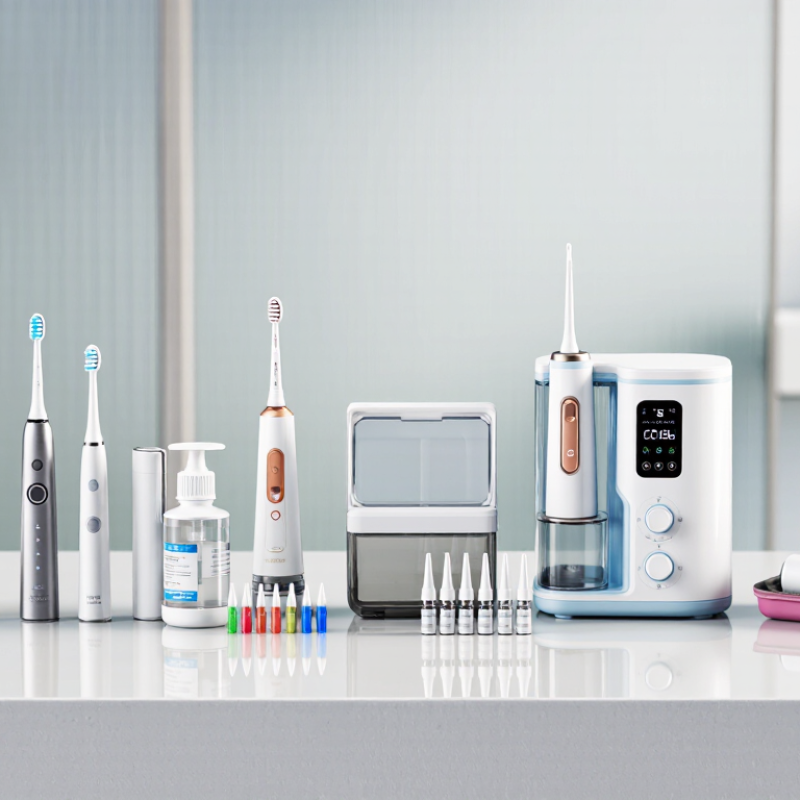
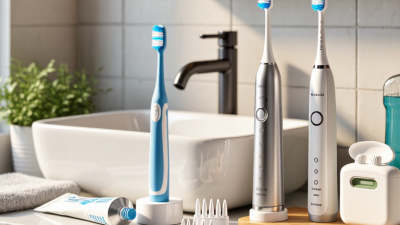
Advanced dental care products now cover more than powered toothbrushes. Global buyers often compare electric toothbrushes, water flossers, interdental cleaners, whitening devices, and remineralizing toothpastes. Each category solves a different problem.

Electric toothbrushes usually offer timers, pressure sensors, and multiple cleaning modes. A pressure sensor can help protect sensitive gums during daily brushing. Water flossers may suit users with braces, bridges, or limited hand movement. However, they do not automatically replace careful brushing. Interdental brushes can remove plaque efficiently between wider spaces, while narrow floss works better for tighter contacts. Whitening products deserve closer review. Their ingredients, usage limits, and safety instructions can differ between markets. “Advanced” does not always mean more effective.

Tips: Check clinical evidence, warranty terms, voltage compatibility, replacement-head availability, and local regulatory labeling. A device with a 200–300 ml reservoir may feel practical, but frequent refilling can become annoying. Read the pressure settings carefully. Start gently.

Smart dental devices can record brushing time and missed areas, which may improve user habits. Yet app data is not a diagnosis. Buyers should examine water resistance, charging design, privacy policies, and cleaning requirements. Professional guidance remains important for bleeding gums, persistent sensitivity, or suspected decay. I have found that buyers sometimes focus on screens and accessories, then overlook brush-head cost. That is an easy mistake. Product comparisons should consider long-term use, not only impressive features.

Assessing Product Quality, Certification, and Supplier Reliability

Top 10 Advanced Dental Care Products for Global Buyers?

Global buyers often compare scanners, curing lights, scalers, files, implants, handpieces, whitening systems, dental chairs, suction units, and imaging sensors. Yet technical novelty alone does not prove clinical value. Check materials, tolerances, software stability, battery safety, and cleaning instructions. Ask for test reports from independent laboratories. Do not rely on screenshots.

Certification deserves careful reading because approval pathways differ by destination. Verify certificate numbers, issuing bodies, scope, expiry dates, and covered models. A quality system certificate, such as ISO 13485, supports process control, but it does not replace product-specific evidence. For electrical devices, review applicable safety and electromagnetic compatibility reports. For dental materials, request composition data, biological evaluation, shelf-life studies, and lot traceability. Documents can be genuine yet incomplete.

Supplier reliability appears in ordinary details. A dependable supplier explains lead times, minimum order quantities, spare parts, training, complaint handling, and recall procedures. Request a sample, inspect its packaging, and compare the serial number with shipping records. I have learned that fast replies can hide weak after-sales systems. That judgment needs evidence. Use a small pilot order before committing to volume. Review calibration records, replacement rates, and response times after delivery. One weakness remains: some audits capture paperwork better than daily production habits. Repeat checks matter.

Choosing Dental Care Products for Different International Markets

Choosing advanced dental care products for international markets requires more than copying a popular product list. The WHO Global Oral Health Status Report 2022 estimates that oral diseases affect nearly 3.5 billion people worldwide. This figure shows why electric toothbrushes, water flossers, interdental cleaners, sensitivity toothpaste, whitening devices, oral irrigators, tongue cleaners, protective mouthguards, fluoride gels, and smart brushing tools need market-specific evaluation.

Regulatory expectations differ sharply. Buyers in the European Union may prioritize safety documentation, ingredient transparency, and recyclable packaging. In the United States, evidence-based claims and compliant labeling are essential. Markets with limited water access may prefer compact irrigators or low-water cleaning tools. WHO also reports that untreated caries affects about 2 billion people in permanent teeth. Therefore, fluoride availability, professional guidance, and affordability should influence product selection, not only technical features.

User habits matter equally. A rechargeable brush may suit urban customers, but replacement-head access can determine long-term satisfaction. A whitening device may attract attention, yet poorly explained usage can increase sensitivity. That is a real concern. Product comparisons should examine clinical evidence, battery standards, local language instructions, warranty support, and disposal systems. The FDI World Dental Federation has repeatedly emphasized prevention and population-wide oral health education. Buyers should treat supplier claims carefully, request test reports, and avoid assuming that one “advanced” solution fits every country.

Skip footer

Join our dental family today.

Torrance DentistryDr. Steve & Daniel Yabuno

Address

3500 Lomita Blvd #103
Torrance, CA 90505

Opening Hours

  • Monday: 8:00 am - 5:30 pm
  • Tuesday: 8:00 am - 5:30 pm
  • Wednesday: 8:00 am - 5:30 pm
  • Thursday: 8:00 am - 5:30 pm
  • Friday: 8:00 am - 2:00 pm
  • Saturday: 8:00 am - 2:00 pm

Phone

(310) 530-7011

Follow Us