How to Source General Dental Care Products in 2026?
Sourcing general dental care products in 2026 requires more than comparing prices on a supplier website. Buyers must examine product safety, clinical suitability, manufacturing consistency, and evidence behind every claim. Toothbrushes, fluoride toothpaste, interdental cleaners, mouth rinses, and disposable accessories may appear simple, yet small differences affect comfort, hygiene, and patient trust.
Dr. Matt Messina, a former American Dental Association spokesperson, has said, “The mouth is the gateway to the body.” This reminder gives sourcing a wider responsibility. A supplier should provide clear ingredient lists, batch records, certificates of analysis, and reliable product traceability. Packaging should protect products from moisture, contamination, and damage during transport. Samples should be tested before large orders are approved. A polished catalogue is not proof.
The strongest sourcing process also checks manufacturing quality, complaint handling, delivery performance, and documentation for the target market. Depending on the product, buyers may need to review recognized quality systems, safety data, labeling rules, and substantiated health claims. Requirements can differ across countries. Never assume one certificate works everywhere.
Sustainability deserves careful attention, too. Recyclable packaging sounds positive, but vague claims can hide practical problems. Ask for measurable details. Some suppliers will not meet every requirement. That is normal, but it should be recorded honestly.
This guide explains how to compare suppliers, control risk, and build a dependable general dental care purchasing plan for 2026. The process is not flawless. It improves through evidence, careful questions, and repeated review.
Define the Scope and Categories of General Dental Care Products
How to Source General Dental Care Products in 2026?
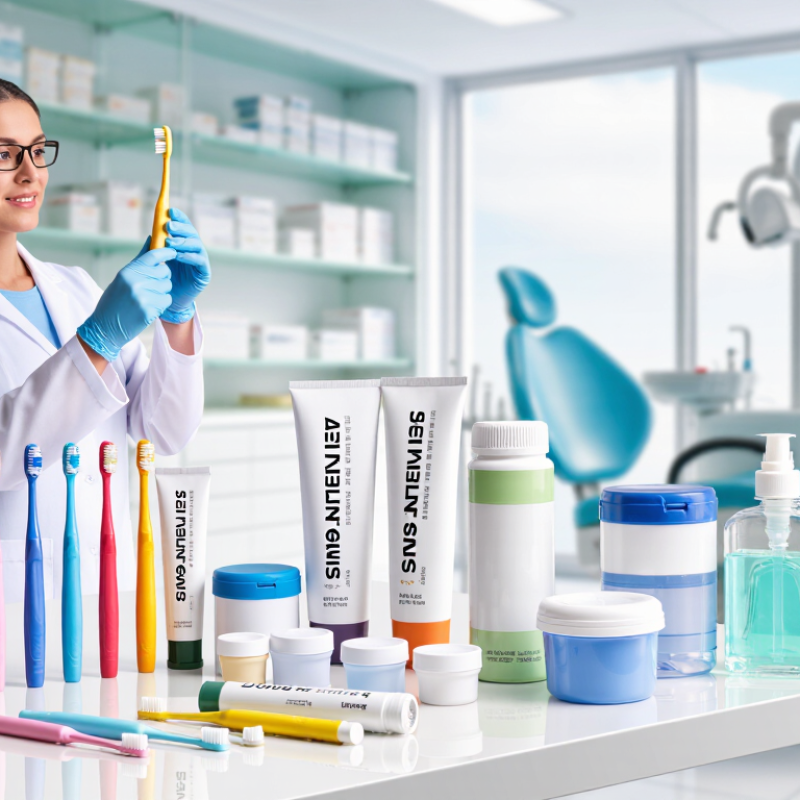
Defining the product scope prevents weak comparisons and unsuitable purchasing decisions. General dental care products should cover four practical categories:
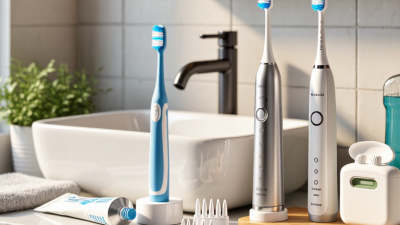
Daily cleaning includes toothbrushes, replacement heads, toothpastes, and rinses.
Interdental care covers floss, interdental brushes, and oral irrigator accessories.
Preventive products may include fluoride preparations, desensitizing formulas, and protective mouthguards.
Professional consumables include polishing cups, disposable mirrors, suction tips, and examination accessories.
The World Health Organization’s Global Oral Health Status Report (2022) estimates that oral diseases affect nearly 3.5 billion people worldwide. This scale supports demand across both household and clinical channels. However, demand is not enough. The U.S. CDC’s National Health and Nutrition Examination Survey data indicate that about one in four adults aged 20–64 had untreated dental caries during 2017–2020. Suppliers should therefore check intended users, usage frequency, packaging size, and storage conditions before comparing prices.
Evidence matters more than attractive claims.
Review ingredient specifications, safety documentation, shelf-life data, and quality-system records. Relevant standards can include ISO requirements for toothpaste and manual toothbrushes, where applicable. A supplier’s sample should be tested for fit, texture, leakage, labeling accuracy, and repeated-use performance. Do not assume a popular category is automatically suitable. My own sourcing mistake would be treating “general care” as one product group; that approach hides important differences between home users, dental clinics, and institutional buyers.
Set Safety, Quality, and Regulatory Requirements for 2026
In 2026, sourcing general dental care products should begin with a written safety and regulatory specification. Define intended use, user group, materials, shelf life, and acceptable performance before requesting samples. A child’s toothbrush needs age-appropriate dimensions, rounded bristles, secure tufting, and clear supervision guidance. Toothpaste and rinses require ingredient reviews, contamination controls, and truthful claims supported by evidence. Do not accept “compliant” as proof. Request current test reports, supplier quality records, batch traceability, and declarations of conformity where applicable. Keep records. Check whether each product is a cosmetic, consumer good, or medical device in the destination market. Classification changes labeling, documentation, registration, and post-market duties.
Quality checks should continue after approval. Inspect pilot batches for odor, leakage, loose parts, print clarity, and damaged seals. Use an independent laboratory when risk or supplier history justifies it. Review microbiological results, material safety data, stability evidence, and packaging compatibility. For regulated items, confirm applicable ISO-based systems, good manufacturing controls, unique identifiers, and complaint procedures. Keep approved samples and compare production batches against them. I would also audit change-control rules, because a quiet material substitution can alter safety. That risk is easy to miss. Requirements differ across markets, and regulations can change during 2026. A qualified local regulatory reviewer should verify labels, claims, language, and import documents before shipment. Yet no checklist catches everything. Leave room for corrective action, supplier re-testing, and honest review after complaints.
Identify Reliable Manufacturers, Suppliers, and Distribution Channels
How to Source General Dental Care Products in 2026?
Reliable sourcing begins with the manufacturer. Check its production history, quality system, and product traceability before discussing price. Request current certificates, test reports, material specifications, and sample batches. These documents should match the actual product, not a generic catalog file. A polished certificate is not proof of consistent production. My early mistake was trusting documents without checking batch numbers. An independent factory audit can reveal storage problems, weak packaging, or unclear inspection procedures.
Suppliers add flexibility when clinics need mixed products or smaller orders. Compare minimum order quantities, lead times, payment terms, and replacement policies. Ask whether the supplier controls inventory or simply forwards orders. Regional wholesalers may offer faster delivery and easier communication, while direct manufacturers can provide better customization. Authorized distribution channels often reduce counterfeit risks and simplify after-sales support. Still, every channel needs verification. Request business registration details, warehouse photos, reference customers, and a written quality agreement. Trade fairs and professional procurement platforms can help, but personal contact is not evidence of reliability.
Tips: Test samples in realistic clinic conditions. Check package seals, labeling, comfort, and performance. Keep records of every conversation and batch. Recheck suppliers annually. A low price can hide costly delays. Even experienced buyers sometimes overlook small labeling changes, so review each shipment carefully.
How to Source General Dental Care Products in 2026?
Global oral-health demand indicators can help procurement teams prioritize product categories, forecast volume, and evaluate manufacturers, suppliers, and distribution channels.
The figures are global estimates reported by the World Health Organization. Categories overlap and should not be added together. Use them as demand-planning indicators, then verify supplier quality systems, regulatory documentation, production capacity, lead times, and distribution coverage before placing orders.
Build a Sustainable Purchasing and Quality-Control Process
Sourcing general dental care products in 2026 requires more than comparing unit prices.
WHO’s Global Oral Health Status Report 2022 estimates that 3.5 billion people live with oral diseases. Demand is broad, but purchasing systems must remain disciplined. Create an approved-supplier file with certificates, manufacturing locations, lot numbers, and complaint histories. Request samples before large orders. Test packaging seals, dimensions, labeling, and usability under real clinic conditions.
Sustainability must be measurable.
The UN Environment Programme’s Global Resources Outlook 2024 projects global material extraction could rise 60% by 2060 without stronger action. Choose products with reduced packaging, recyclable materials, and reliable service lives. Avoid vague green claims. Ask suppliers for material declarations, recycled-content evidence, and waste instructions. Small details matter. A damaged carton can compromise sterile barriers.
Quality control should continue after delivery.
Inspect random cartons, photograph defects, and quarantine questionable lots. Track defect rates, delivery delays, and replacement costs in a monthly dashboard. Products involving patient contact may require compliance with applicable medical-device and safety rules, including ISO 13485-based controls where relevant. The process will not be perfect. Staff may overlook a seal or enter the wrong lot number. Review those failures without hiding them, then revise checklists and training. A cheaper product can become expensive after returns, waste, and clinical disruption.
 362 five star Google reviews
 193 five star Yelp reviews