Top 10 Tips for Effective Oral Health Care Practices?
Maintaining good oral health care is essential for overall well-being. Many people overlook simple practices that keep their smiles bright and healthy. This often leads to dental issues that could have been prevented.
Effective oral health care can significantly reduce the risk of cavities and gum disease. Regular brushing and flossing are crucial steps. However, proper techniques are often ignored. For instance, how many people brush for a full two minutes? Flossing can seem tedious, but it plays a vital role in oral hygiene.
Beyond daily routines, regular dental check-ups are critical. Many avoid visits due to anxiety or cost. However, these visits can save time and pain in the long run. Lack of attention to oral health care too often leads to more severe problems. Investing time in learning about effective practices can empower individuals to take charge of their oral health.
Understanding the Importance of Oral Health Care Practices
Oral health is crucial for overall well-being. According to the World Health Organization, nearly 3.5 billion people suffer from oral diseases, highlighting the importance of effective oral health care practices. Poor oral health can lead to serious conditions such as heart disease and diabetes. Thus, maintaining oral hygiene should be a priority for everyone.
One effective tip is to brush your teeth twice a day using fluoride toothpaste. This prevents cavities and strengthens tooth enamel. Flossing daily is equally vital. It removes plaque between teeth where toothbrushes can’t reach, reducing the risk of periodontal disease.
Regular dental check-ups are essential. The American Dental Association recommends a visit at least twice a year. These visits help catch problems early and maintain good oral health. Additionally, adopting a balanced diet rich in fruits and vegetables can enhance oral hygiene. Foods high in sugar increase the risk of decay, which requires mindfulness in dietary choices.
Finally, consider reducing tobacco and alcohol consumption. These habits can severely impact oral health and overall well-being. Reflecting on these practices can lead to better choices and a healthier lifestyle.
Daily Brushing Techniques for Optimal Dental Hygiene
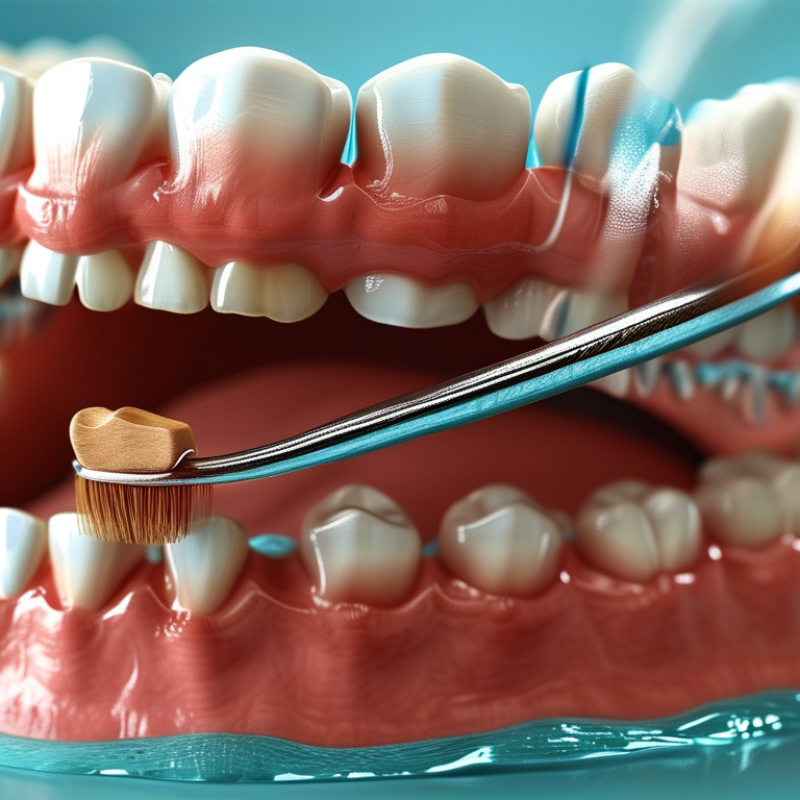
Brushing your teeth effectively is crucial for maintaining good oral health. Start by choosing the right toothbrush. A soft-bristled brush can help protect your gums while effectively cleaning your teeth. Make sure to replace your toothbrush every three months or sooner if the bristles fray.
Apply a pea-sized amount of fluoride toothpaste. Position your brush at a 45-degree angle to your gums. This technique ensures you clean both the teeth and the gum line. Use gentle, circular motions to brush the outer surfaces for at least 30 seconds. Don’t rush; take your time.
Many people neglect to brush the inner surfaces. These areas can harbor plaque. So, tilt your brush vertically to get to those hard-to-reach spots. Remember to brush your tongue gently to remove bacteria and freshen your breath. Effective brushing should last for a full two minutes. Set a timer or use a song to monitor your time. Make a habit of these techniques. Consistent practice can lead to better dental hygiene. While perfect brushing is a goal, everyone can improve. Regularly assess your technique for optimal results.
Top 10 Tips for Effective Oral Health Care Practices
| Tip Number |
Tip |
Details |
| 1 |
Brush Twice Daily |
Use fluoride toothpaste and brush for at least two minutes. |
| 2 |
Floss Daily |
Remove plaque and food particles between teeth. |
| 3 |
Use Mouthwash |
Rinse daily to reduce oral bacteria and freshen breath. |
| 4 |
Regular Dental Check-ups |
Visit the dentist every six months for professional cleaning. |
| 5 |
Maintain a Balanced Diet |
Limit sugary foods and drinks that contribute to tooth decay. |
| 6 |
Stay Hydrated |
Drink plenty of water to help wash away food particles. |
| 7 |
Don’t Skip Breakfast |
Start the day with a healthy meal to fuel your oral health. |
| 8 |
Chew Sugar-free Gum |
Stimulates saliva flow, helping to neutralize acids. |
| 9 |
Avoid Tobacco Products |
Reducing tobacco use decreases the risk of gum disease. |
| 10 |
Replace Your Toothbrush |
Change your toothbrush every 3-4 months for effective cleaning. |
The Role of Flossing in Preventing Gum Disease
Flossing plays a crucial role in preventing gum disease. Many people overlook this simple step. Flossing removes plaque and food particles from between teeth, where a toothbrush often cannot reach. This helps to prevent the buildup of bacteria that can lead to gum inflammation and disease.
Tip one: Floss daily. Even just once a day can make a notable difference in your gum health. It's best to do this before brushing. Another tip is to use the correct technique. Gently slide the floss between your teeth in a 'C' shape. Avoid snapping it against your gums, as this can cause injury.
Tip three: Don’t ignore bleeding gums. If your gums bleed when you floss, this could indicate gum disease. Regular flossing can make bleeding decrease with time. Reflect on your habits. Are you consistent with your oral care? Missing just a few days of flossing can have consequences. Commit to improving your routine. Little changes add up to significant health benefits.
Choosing the Right Toothpaste and Mouthwash for Your Needs
Choosing the right toothpaste and mouthwash is essential for maintaining oral health. Not all products are created equal, and what works for one person may not suit another. Consider your specific needs. If you have sensitive teeth, look for toothpaste designed for sensitivity. It often contains special ingredients to help reduce discomfort.
Mouthwash can be just as critical. Alcohol-free options are available for those who want a gentler rinse. Many mouthwashes target bacteria and help with bad breath. Reading labels can help you find effective ingredients like fluoride and antibacterial agents.
Sometimes, trial and error is necessary. You may find that a certain toothpaste does not produce the expected results. Or mouthwash might leave your mouth feeling dry instead of refreshed. Document how different products affect your oral health. Adjust your choices based on your reflections. This approach can build a routine that truly meets your needs. Listening to your body’s response is key.
Regular Dental Check-ups: Frequency and Benefits
Regular dental check-ups are essential for maintaining oral health. Most people should visit the dentist at least twice a year. These appointments allow for early detection of dental issues. Cavities, gum disease, and other problems can worsen without prompt care. Regular visits can prevent painful treatments later on.
During a check-up, your dentist will conduct a thorough examination. They will check for any signs of decay or infection. Professional cleanings remove plaque and tartar that regular brushing might miss. This process helps in keeping gums healthy. Many individuals underestimate the importance of these cleanings. They often wait until pain or discomfort arises, which can lead to significant complications.
Some might skip appointments due to fear or anxiety. It's essential to address these feelings and seek support if needed. Ignoring dental visits can lead to costly procedures down the line. Better to invest in prevention than to pay for reactive care. Taking care of your teeth today means a healthier smile tomorrow.
Top 10 Tips for Effective Oral Health Care Practices
This bar chart illustrates the frequency of regular dental check-ups recommended for maintaining optimal oral health and their associated benefits.
 362 five star Google reviews
 193 five star Yelp reviews