(310) 530-7011 Contact Us

Follow Us

How to Improve Your Oral Hygiene Habits?

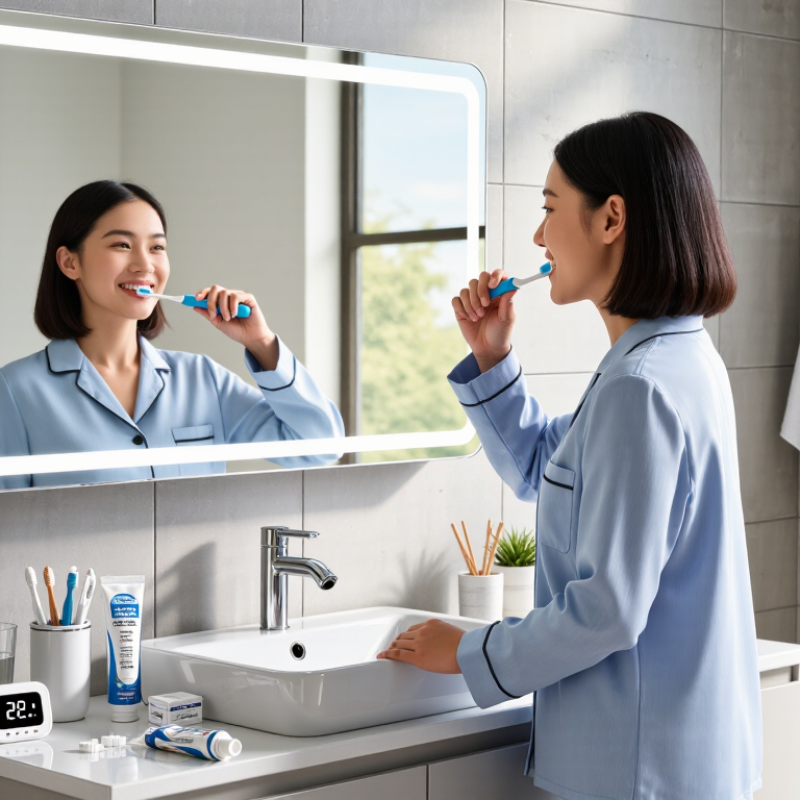
A healthy smile is not built by occasional effort; it grows from small oral hygiene habits repeated when mornings feel rushed. Brushing twice daily with fluoride toothpaste, cleaning between teeth, and gently brushing the tongue may reduce plaque and protect gums. The American Dental Association recommends brushing for two minutes with a soft-bristled toothbrush. Dental professionals can also tailor advice to age, gum condition, medications, and orthodontic appliances. Yet practical routines are rarely perfect. A missed evening happens. The response should be adjustment, not shame. Keeping a toothbrush beside the bathroom sink, setting a two-minute timer, and carrying floss picks can turn vague intentions into visible actions. Small details matter.

This guide explores how to improve oral hygiene habits through evidence-informed steps and honest self-observation. It will examine brushing technique, fluoride use, interdental cleaning, tongue care, diet, hydration, and regular dental visits. Bleeding during flossing should not simply be ignored, especially when it persists. A dentist can assess inflammation, technique, or other causes. Mouthwash may help in selected situations, but it cannot replace brushing or cleaning between teeth. Results also require patience. Plaque can return within hours, and polished-looking teeth do not always mean healthy gums. Recording failed brushing attempts may reveal patterns, such as late work shifts or bedtime fatigue. That reflection makes the plan more realistic. Good care is consistent, informed, and personal. It is also unfinished. Pain, swelling, loose teeth, or ongoing bleeding deserves professional attention.
How to Improve Your Oral Hygiene Habits?

Understanding the Foundations of Effective Oral Hygiene

Effective oral hygiene begins with consistent, evidence-based routines, not expensive products. The World Health Organization’s Global Oral Health Status Report (2022) estimates that nearly 3.5 billion people live with oral diseases. Untreated tooth decay remains widespread, even though daily prevention is practical.

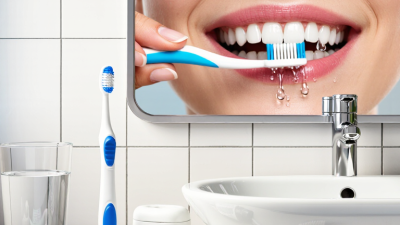
Brush twice daily for about two minutes with fluoride toothpaste. Hold the brush at a gentle angle near the gumline, then use small circular movements. A soft-bristled brush can reduce unnecessary gum irritation. Clean every surface, including the back molars, where food often hides. The Centers for Disease Control and Prevention reported that about one in four American adults aged 20–64 had untreated cavities in 2017–2018. That figure makes the neglected corners of the mouth harder to ignore.

Interdental cleaning removes plaque a toothbrush cannot reach. Use floss or an interdental cleaner once daily, moving gently rather than snapping it into the gums. Limit frequent sugary drinks and snacks, because repeated acid exposure gives enamel less time to recover. I sometimes rush brushing when mornings feel crowded. That habit deserves honest correction. A timer beside the sink can make two minutes visible and repeatable. Dental examinations also matter, especially when bleeding, sensitivity, swelling, or persistent bad breath appears. Professional advice should guide the visit schedule, since oral health needs differ between individuals.

How to Improve Your Oral Hygiene Habits?

Understanding the Foundations of Effective Oral Hygiene

A consistent routine is the foundation of good oral hygiene. Evidence-based guidance commonly recommends brushing with fluoride toothpaste twice a day and cleaning between the teeth once a day. Brushing should last about two minutes each time, while interdental cleaning helps remove plaque from areas a toothbrush cannot reach.

Guidance basis: American Dental Association and National Health Service recommendations.

Building a Consistent Daily Brushing and Flossing Routine

A consistent brushing and flossing routine is easier when it fits real life. The World Health Organization’s Global Oral Health Status Report (2022) estimates that nearly 3.5 billion people live with oral diseases. Daily habits can reduce preventable problems. Brush twice daily for two minutes with fluoride toothpaste. Use gentle, small circles along the gumline. A soft brush should not feel harsh.

Clean between your teeth once each day. Floss or use an interdental cleaner, moving carefully around each tooth. Do not force the thread into the gums. The American Dental Association recommends cleaning between teeth daily because brushing cannot reach those narrow spaces. I used to skip flossing when tired. Placing floss beside my toothbrush made the habit more visible. It still fails sometimes.

Timing also matters. Brush after waking and before bed, then keep the nighttime session non-negotiable. The U.S. Centers for Disease Control and Prevention reported that 25.9% of adults aged 20–64 had untreated cavities during 2017–2020. That figure makes a two-minute routine feel practical, not excessive. Bleeding gums should not be ignored, especially when bleeding continues after several days of gentle cleaning. A dental professional can check for inflammation, decay, or technique problems. Small changes are useful. Perfect consistency is not realistic.

Choosing Oral Care Products for Individual Needs

Choosing oral care products should begin with your mouth, not a colorful package. A soft-bristled toothbrush is usually gentler on gums and enamel. Small brush heads can reach crowded back teeth more easily. Manual brushes work well with careful technique, while powered brushes may help people who miss areas.

I once brushed too hard, believing pressure meant cleanliness. My gums became tender.

Look for fluoride toothpaste, especially if you are prone to cavities. Fluoride strengthens enamel and supports evidence-based cavity prevention.

People with sensitive teeth may prefer toothpaste designed to reduce discomfort, but results can take several weeks.

If your mouth feels dry, alcohol-free rinses and frequent water may feel more comfortable.

However, mouthwash cannot replace brushing or cleaning between teeth. Read the label carefully.

“Natural” does not automatically mean suitable or effective.

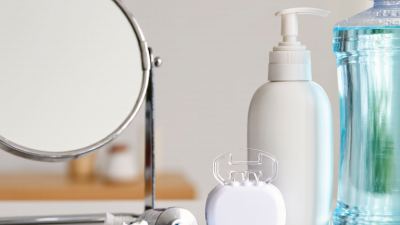
Interdental brushes, floss, or water flossers can clean spaces your toothbrush misses. Choose based on spacing, dexterity, braces, or dental work.

A dental professional can check whether the size is correct; forcing a brush between teeth can injure gums.

Children need age-appropriate products and supervision. Replace a toothbrush when bristles bend, not only on a calendar schedule.

My routine still needs improvement: I sometimes rush the back teeth when mornings become chaotic. That small habit deserves honest attention.

Supporting Oral Health Through Diet and Lifestyle Choices

How to Improve Your Oral Hygiene Habits?

Supporting Oral Health Through Diet and Lifestyle Choices

Oral hygiene begins beyond the bathroom. The World Health Organization’s Global Oral Health Status Report (2022) estimates that nearly 3.5 billion people live with oral diseases. Diet strongly influences this burden. Frequent sugary drinks and snacks repeatedly expose teeth to acid attacks. Choose water between meals, and keep sweet foods with main meals when possible. The WHO recommends limiting free sugars below 10% of daily energy intake, with benefits below 5%.

Small routines matter. My own weak point is late-night snacking. It feels harmless, but sticky foods can remain around molars for hours. Crunchy vegetables, plain yogurt, and nuts may support healthier choices without adding much sugar. However, diet cannot replace brushing. Brush twice daily with fluoride toothpaste, and clean between teeth regularly. The details are easy to skip.

Lifestyle habits also shape oral health. Tobacco use increases the risk of gum disease and oral cancer, while heavy alcohol use adds further risk. The Global Burden of Disease Study 2019, published in The Lancet, identified untreated dental caries in permanent teeth as one of the most common health conditions worldwide. This is not only a personal failure. Access, income, stress, and limited dental care matter. Still, setting a two-minute brushing alarm and arranging regular professional checkups can make prevention more realistic. Perfect consistency is unlikely. Returning to the routine matters.

How to Improve Your Oral Hygiene Habits? - Supporting Oral Health Through Diet and Lifestyle Choices

Health Habit Recommended Practice Potential Oral-Health Benefit Practical Measure Evidence-Based Reference
Toothbrushing Brush twice daily for about two minutes using fluoride toothpaste. Helps remove plaque and supports protection against tooth decay. Record two brushing sessions per day and replace a worn toothbrush or brush head. World Health Organization; national dental health guidance
Cleaning between teeth Clean between teeth daily with dental floss, interdental brushes, or another suitable interdental method. Reaches areas that a toothbrush may not clean effectively and helps reduce plaque buildup. Choose one method that fits the size of the spaces between the teeth and use it once daily. Professional dental-care recommendations
Free-sugar intake Keep free sugars below 10% of total daily energy intake; reducing them below 5% provides additional health benefits. Lowers the risk of tooth decay, especially when sugary foods and drinks are consumed less frequently. Check food labels and limit sweets, sugar-sweetened drinks, syrups, and frequent sugary snacks. World Health Organization dietary guidance
Snacking pattern Avoid frequent exposure to sugary or acidic snacks and drinks between meals. Gives saliva more time to neutralize acids and repair early mineral loss. Plan regular meals and choose unsweetened options between meals when needed. Preventive oral-health guidance
Hydration Choose plain water regularly, particularly instead of sugary beverages. Helps rinse the mouth and supports normal saliva function without adding sugar. Keep water available and make it the default drink during the day. Public-health nutrition and oral-health guidance
Acidic foods and drinks Limit frequent consumption of acidic drinks and foods, such as carbonated drinks, citrus products, and vinegar-based items. May reduce the risk of enamel erosion caused by repeated acid exposure. Consume acidic items with meals where possible and rinse with water afterward. Dental erosion prevention guidance
Calcium-rich foods Include balanced sources of calcium, such as plain dairy foods, fortified alternatives, beans, tofu, or leafy vegetables. Supports normal mineral maintenance in teeth and bones as part of an adequate diet. Add one suitable calcium-rich food to regular meals, considering dietary needs and allergies. General nutrition and oral-health guidance
Tobacco and nicotine Avoid smoking and smokeless tobacco; seek support to quit if needed. Reduces risks associated with gum disease, tooth loss, oral cancers, staining, and delayed healing. Set a quit date and discuss evidence-based cessation support with a qualified healthcare professional. World Health Organization tobacco guidance
Alcohol consumption Limit alcohol intake and avoid using alcoholic drinks as a substitute for water. May reduce exposure to drying effects, acidity, and other factors associated with oral disease risk. Follow current national low-risk drinking guidance and include alcohol-free days. Public-health alcohol and oral-health guidance
Dental check-ups Attend preventive dental appointments at an interval recommended for individual risk and oral-health needs. Supports early identification of tooth decay, gum disease, enamel wear, and other oral problems. Ask a dental professional to create a personalized examination and preventive-care schedule. Individualized professional dental-care recommendations

Note: Individual recommendations may vary according to age, oral-health condition, medical history, medication use, pregnancy, and dietary needs.

Monitoring Progress and Maintaining Professional Dental Care

How to Improve Your Oral Hygiene Habits?

Monitoring progress makes oral care more effective than brushing on autopilot. Track brushing twice daily, flossing, gum tenderness, and sensitivity for one week. A simple note on your phone can reveal missed evenings or rushed mornings. Aim for gentle, consistent cleaning rather than excessive pressure. Hard brushing can irritate gums and wear enamel.

Tips: Use a two-minute timer and check each mouth area. Look for bleeding, swelling, persistent bad breath, or tooth sensitivity. These signs should not be dismissed. They may reflect plaque buildup, gum inflammation, enamel wear, or another dental concern. Progress is rarely perfect. Missing one session does not erase your effort, but repeated gaps deserve attention. I would review the pattern honestly instead of blaming myself.

Professional dental care adds information that home monitoring cannot provide. During regular examinations, a dental professional can assess gum pockets, cavities, bite changes, and areas that remain difficult to clean. Ask how your brushing and flossing technique could improve. Bring your tracking notes, especially if discomfort continues. Follow the recommended visit schedule, which may vary with gum health, restorations, age, and medical history. Seek prompt advice for facial swelling, severe pain, uncontrolled bleeding, or a loose permanent tooth. A professional evaluation is more reliable than guessing from online advice.

Skip footer

Join our dental family today.

Torrance DentistryDr. Steve & Daniel Yabuno

Address

3500 Lomita Blvd #103
Torrance, CA 90505

Opening Hours

  • Monday: 8:00 am - 5:30 pm
  • Tuesday: 8:00 am - 5:30 pm
  • Wednesday: 8:00 am - 5:30 pm
  • Thursday: 8:00 am - 5:30 pm
  • Friday: 8:00 am - 2:00 pm
  • Saturday: 8:00 am - 2:00 pm

Phone

(310) 530-7011

Follow Us