10 Tips for Better Oral Hygiene Habits?
Good oral care is built through small actions repeated at the bathroom sink. A soft-bristled toothbrush, fluoride toothpaste, and two quiet minutes can protect teeth from daily damage. Yet many people brush quickly, miss the gumline, or forget the back molars. These details matter.
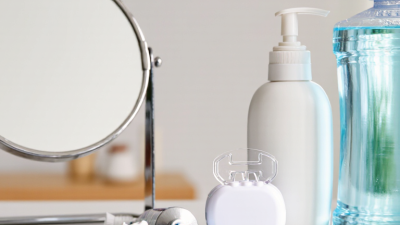
This guide, “10 Tips for Better Oral Hygiene Habits,” focuses on practical routines supported by established dental guidance. Brushing twice daily helps remove plaque before it hardens into calculus. Cleaning between teeth reaches areas a toothbrush cannot touch. Limiting frequent sugary drinks also reduces repeated acid attacks on enamel. A water bottle, a clean toothbrush, and floss beside the sink can make these steps easier to remember.
Small changes help.
Still, no routine is perfect. A missed evening should invite correction, not shame. Technique may need adjustment, especially when gums bleed, feel tender, or remain swollen. Persistent bleeding, tooth pain, bad breath, or sensitivity deserves attention from a licensed dental professional. Individual needs can differ because of braces, dry mouth, gum disease, medication, or other health conditions. Dental visits provide examination and treatment that home care cannot replace.
The following tips connect expert recommendations with everyday choices. They explain how to brush gently, clean between teeth, protect enamel, and notice warning signs early. Better oral hygiene habits are not about perfection. They are about making the healthier choice more often, even on busy mornings.
Understanding the Foundations of Effective Oral Hygiene
Effective oral hygiene begins with a simple foundation: removing plaque consistently, not aggressively.
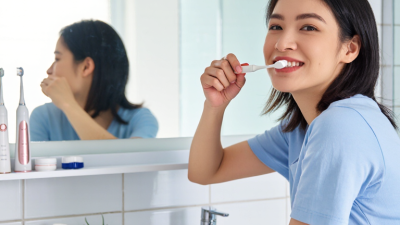
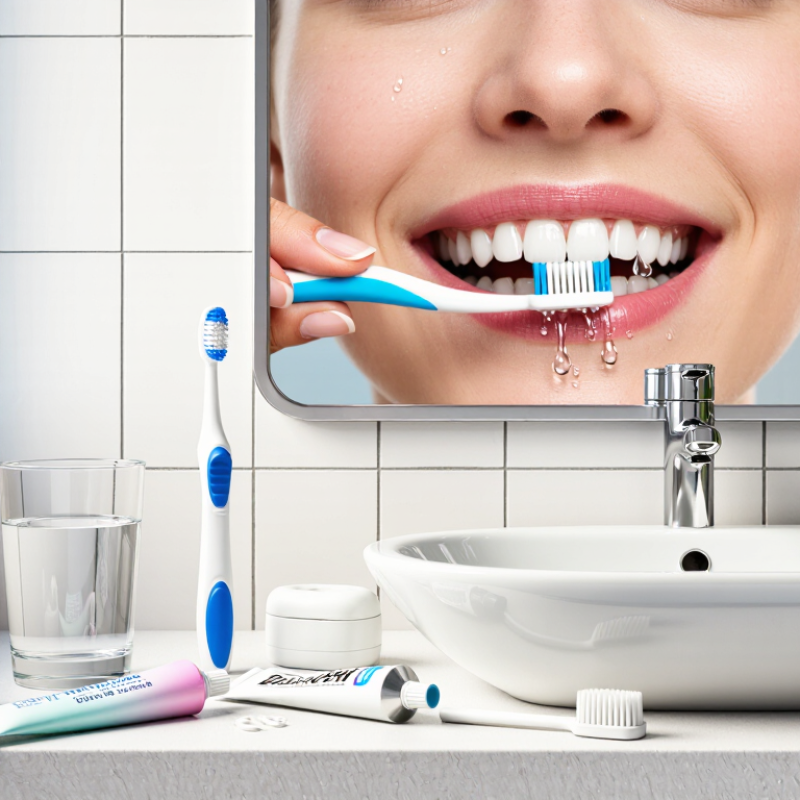
Plaque is a soft bacterial film that collects along the gumline and between teeth. If it remains, gums may become swollen or bleed, while acids can damage enamel. Brush twice daily for about two minutes with a soft-bristled brush and fluoride toothpaste. Use small, gentle circles, especially where teeth meet gums. Pressure matters. Scrubbing harder does not clean better and may irritate tissues.
Interdental cleaning completes what brushing misses.
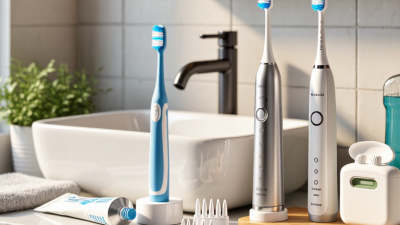
Floss, interdental brushes, or another suitable tool can reach tight spaces; the best choice depends on tooth spacing and dexterity. In clinical guidance, cleaning between teeth once daily is commonly recommended. Spit after brushing, but avoid rinsing immediately with lots of water, so fluoride remains longer. This small habit is easy to forget. I still occasionally rush it when mornings become crowded.
Food and drink frequency also shape the mouth’s environment.
Frequent sugary or acidic sips give enamel repeated challenges, even when portions are small. Keep these exposures with meals when possible, and choose water between them. A clean tongue can improve freshness, but it cannot replace brushing or interdental care. Bleeding gums should not be ignored, although initial flossing can cause mild tenderness. Persistent bleeding, pain, swelling, or sensitivity deserves assessment by a dental professional, because personal routines need individual advice.
Building a Consistent Daily Brushing and Flossing Routine
10 Tips for Better Oral Hygiene Habits
Building a consistent routine matters more than brushing perfectly once in a while. The World Health Organization’s Global Oral Health Status Report (2022) estimates that nearly 3.5 billion people live with oral diseases. Small daily actions can reduce avoidable problems. Tip 1: Brush twice daily. Tip 2: Set a two-minute timer. Tip 3: Use fluoride toothpaste. Tip 4: Brush gently along the gumline. Hard pressure can irritate gums.
Make the routine easy to repeat. Keep your toothbrush beside the sink, not hidden in a drawer. Tip 5: Brush after breakfast and before bed. Tip 6: Floss or clean between teeth once daily. Tip 7: Use a clean section of floss for each gap. Tip 8: Follow the tooth’s curve instead of snapping floss downward. The American Dental Association recommends cleaning between teeth daily because brushing cannot reach every surface. I sometimes rush at night. That is exactly when a timer helps.
Replace a worn toothbrush when bristles spread, usually around every three months. Tip 9: Rinse the brush and let it air-dry. Tip 10: Schedule regular dental examinations based on professional advice. The U.S. Centers for Disease Control and Prevention reported that about one in four adults aged 20–64 had untreated cavities during 2017–2020. Do not wait for pain. Bleeding gums also deserve attention, although mild bleeding after restarting flossing may improve with consistent, gentle cleaning. If it continues, seek a qualified dental professional.
10 Tips for Better Oral Hygiene Habits: Building a Consistent Daily Brushing and Flossing Routine
A consistent routine helps remove plaque, protect gums, and reduce the risk of tooth decay.
The chart shows the commonly recommended weekly targets for core oral hygiene activities.
10 Practical Tips
- Brush twice a day with fluoride toothpaste.
- Brush for about two minutes each time.
- Use gentle, small circular motions along the gumline.
- Clean the outer, inner, and chewing surfaces of every tooth.
- Floss or use another interdental cleaner once a day.
- Use a clean, soft-bristled toothbrush.
- Replace a toothbrush when the bristles become worn, usually every three to four months.
- Spit after brushing instead of immediately rinsing with lots of water.
- Limit frequent sugary foods and drinks between meals.
- Schedule regular dental checkups based on your individual oral health needs.
Supporting Oral Health Through Diet and Lifestyle Choices
10 Tips for Better Oral Hygiene Habits: Supporting Oral Health Through Diet and Lifestyle Choices
Your teeth experience every snack, sip, and late-night craving. Oral care begins beyond the bathroom mirror. WHO’s Global Oral Health Status Report (2022) estimates that 2.5 billion people have untreated cavities in permanent teeth. WHO advises keeping free sugars below 10% of daily energy intake. For a 2,000-calorie diet, that equals about 50 grams daily. A 25-gram limit may provide extra protection. That target feels difficult, but awareness helps.
Choose water between meals, especially after sweet foods. Keep desserts with meals instead of grazing throughout the afternoon. Rinse with water after acidic drinks. Wait before brushing after acidic foods. Add vegetables, nuts, and other minimally processed foods to regular meals. Calcium-rich foods can support tooth structure. Avoid tobacco exposure, which increases oral health risks. Limit alcohol and protect consistent sleep. Small choices accumulate.
CDC analysis of the National Health and Nutrition Examination Survey found periodontitis in 47.2% of adults aged 30 or older. Brush twice daily with fluoride toothpaste. Clean between teeth once daily. Replace rushed brushing with two quiet minutes. Arrange professional dental checks according to personal risk. I still miss flossing sometimes. That admission matters, because perfect routines are unrealistic. Tracking sugary drinks may reveal patterns more clearly than relying on memory. (Sources: WHO, Global Oral Health Status Report, 2022; CDC, Periodontal Disease Surveillance.)
Recognizing Problems and Scheduling Professional Dental Care
Better oral hygiene depends on noticing problems before they become painful. Inspect your gums in bright light while brushing. Redness, swelling, bleeding, or a receding gumline can signal inflammation. Do not ignore them. Persistent bad breath may also indicate trapped plaque, gum disease, dry mouth, or another health concern. Tooth sensitivity, a rough edge, a loose filling, or pain when chewing deserves professional attention. A dental professional can examine areas that mirrors and home care cannot reach.
Schedule a dental visit when symptoms continue, worsen, or interfere with eating and sleeping. Routine examinations help identify cavities and gum problems early, even without discomfort. Ask how often you need checkups based on your dental history and risk factors. Tell the dental team about medications, pregnancy, allergies, and previous treatments. These details can change clinical decisions. I once postponed an appointment because the pain disappeared. That was a poor choice; symptoms can fade while damage progresses.
At home, use a soft-bristled toothbrush and fluoride toothpaste twice daily. Clean between teeth with floss or another suitable interdental tool. Be gentle. Scrubbing harder does not remove plaque better and may irritate gums. Replace a worn toothbrush, especially when bristles spread outward. Rinse after acidic drinks, but wait before brushing. My routine is still imperfect, particularly during travel. Keeping a small oral-care kit nearby makes missed cleanings less likely. Book care promptly when something feels different.
 362 five star Google reviews
 193 five star Yelp reviews