What Are the Top Cosmetic Dental Care Types in 2026?
A confident smile can change how people speak, work, and appear in photographs. In 2026, cosmetic dental care includes more than brighter teeth. It may involve professional whitening, tooth-colored bonding, porcelain veneers, clear aligners, gum contouring, and carefully planned dental implants. Each option addresses a different concern. Some improve color, while others reshape teeth or replace missing structure.
The most suitable treatment depends on enamel condition, bite alignment, gum health, budget, and personal expectations. A qualified dentist should examine the mouth before recommending any cosmetic procedure. Digital scans, clinical photographs, and shade assessments can help create a more accurate plan. Still, technology is not a guarantee. Results vary between patients.
Small changes can look natural.
For example, in-office whitening may brighten a smile during one appointment, while composite bonding can repair a chipped edge with minimal tooth removal. Veneers may provide a longer-lasting transformation, but they require careful preparation and maintenance. Clear aligners can improve crowding, although they are not ideal for every bite problem. Gum contouring may reveal more tooth surface, yet healing and symmetry deserve close attention.
This guide explores the top cosmetic dental care types expected to remain popular in 2026. It compares their benefits, limitations, treatment experience, and maintenance needs. Readers should also question overly perfect promises. A beautiful result must support oral health, not merely improve a photograph. Consultation with a licensed dental professional remains essential before making a final decision.
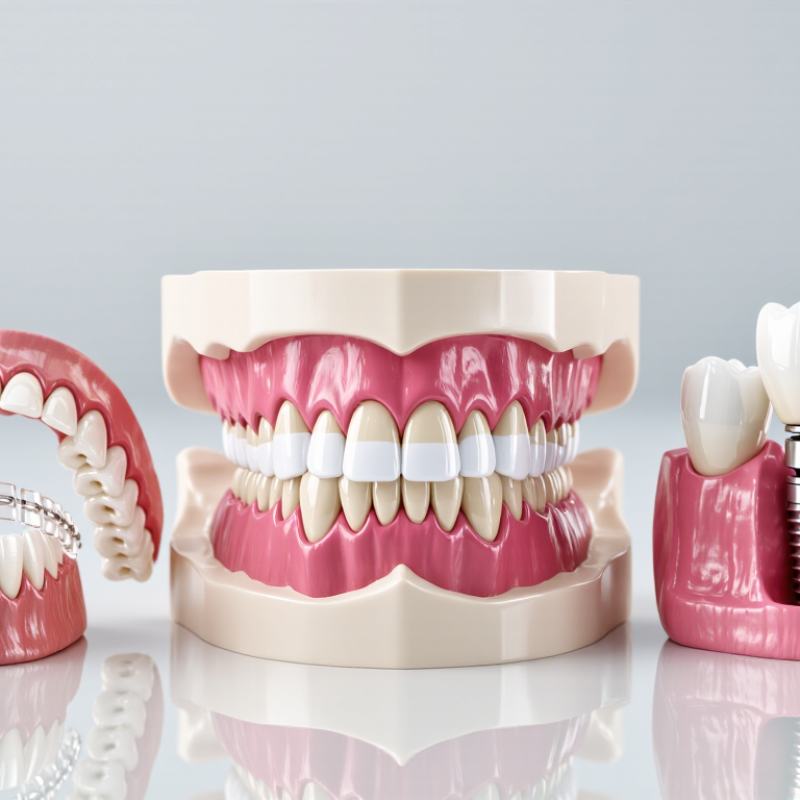
Cosmetic Dentistry in 2026: Definition, Scope, and Main Goals
What Are the Top Cosmetic Dental Care Types in 2026?
Cosmetic Dentistry in 2026: Definition, Scope, and Main Goals
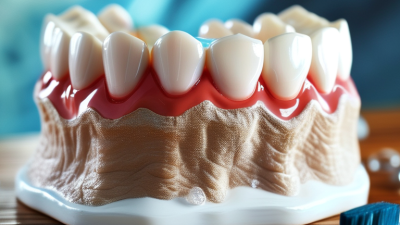
Cosmetic dentistry improves the appearance of teeth, gums, and the visible smile. Its scope now includes whitening, tooth-colored bonding, veneers, clear aligners, and gentle gum reshaping. Some treatments also support function, especially when damaged teeth affect chewing or speech. The main goal is balanced improvement, not an artificial-looking smile. A qualified dentist should assess enamel thickness, bite pressure, gum health, and existing restorations before recommending care.
Whitening can brighten natural teeth, while bonding may repair small chips with minimal tooth reduction. Veneers can change tooth shape and color, but they require careful planning and maintenance.
Clear aligners address selected alignment concerns and may improve cleaning access. Results vary. A treatment that looks excellent in a photograph may feel uncomfortable or age poorly without proper bite evaluation. This is an area where cosmetic expectations can become unrealistic.

Teeth Whitening and Brightening Treatments
What Are the Top Cosmetic Dental Care Types in 2026?
Teeth Whitening and Brightening Treatments
Teeth whitening remains a popular cosmetic dental treatment in 2026. It can reduce stains from coffee, tea, tobacco, and aging. Dental professionals usually assess the teeth before recommending any whitening method. This check matters.
Professional whitening may use carefully controlled peroxide products in a dental office. Custom trays can provide a more gradual option at home. Over-the-counter strips may help with mild surface staining. However, results differ between individuals.
Not every dark tooth responds to whitening. Deep discoloration may require another cosmetic approach. Existing fillings, crowns, and veneers also stay their original color. This detail often surprises patients. A brighter smile is not automatically a healthier smile.
Tooth sensitivity is a common short-term effect. Gums may also feel irritated after treatment. Following professional instructions can reduce these problems. Avoiding very cold drinks may help during the first day. Acidic foods and harsh homemade scrubs can damage enamel. They are not harmless shortcuts.
The most reliable plan starts with an examination and realistic expectations. A dental professional can identify decay, gum problems, or enamel wear first. Whitening should not hide untreated concerns. Results can also fade over time, especially with frequent staining drinks. Maintaining good brushing, flossing, and regular dental visits supports a cleaner appearance. The honest limitation is simple: whitening improves color, but it cannot repair damaged teeth.
Dental Veneers, Bonding, and Smile Reshaping Options
What Are the Top Cosmetic Dental Care Types in 2026?
Dental veneers, bonding, and smile reshaping remain popular cosmetic options. The American Academy of Cosmetic Dentistry’s patient-motivation survey found that improving appearance was a leading reason for treatment. Self-confidence also ranked highly. However, appearance should not replace diagnosis. The World Health Organization reports that nearly 3.5 billion people live with oral diseases, so healthy teeth and gums must come first.
Veneers use thin ceramic or resin shells to improve tooth color, shape, and minor spacing. They can create a consistent smile, but enamel removal may be permanent. Bonding uses tooth-colored resin to repair chips, close small gaps, or change contours. It usually requires less preparation and often costs less. Still, bonding may stain or chip sooner, especially with frequent coffee, tea, or biting hard foods.
Smile reshaping, sometimes called enamel contouring, removes tiny amounts of enamel. It can soften uneven edges or slightly balance tooth length. The change looks subtle. It cannot correct major crowding or unhealthy enamel. A careful dentist should examine bite pressure, gum position, X-rays, and existing restorations before recommending treatment. The American Dental Association emphasizes that cosmetic procedures still require individualized risk assessment. “Perfect” is a risky promise. A natural result may suit the face better, and some treatment plans need revision after real-life wear.
Orthodontic Alignment and Clear Aligner Treatments
Orthodontic alignment remains a leading cosmetic dental care choice in 2026. The American Association of Orthodontists reports that about four million people receive orthodontic treatment in the United States and Canada. Adults represent roughly one in four patients. Clear aligners attract attention because they are removable, discreet, and easier to clean than fixed appliances.
Grand View Research estimated the global clear aligner market at about USD 4.2 billion in 2023.
Market projections also show strong demand. Grand View Research estimated the global clear aligner market at about USD 4.2 billion in 2023. Its report forecasts rapid growth through 2030. However, growth does not mean every case suits aligners. A dental professional should assess bite function, gum health, bone support, and root position. Complex rotations or severe jaw discrepancies may require fixed appliances or combined treatment. Results can also suffer when patients forget daily wear. That part is easy to underestimate.
Tips: Request a complete examination before treatment. Ask whether digital scans, photographs, and radiographs are needed. Wear aligners for the prescribed hours, usually close to 22 hours daily. Remove them before eating, then brush before reinserting. Clean trays gently with cool water. Hot water can distort them. Keep follow-up visits, even when progress looks smooth. Retainers matter too. Teeth can shift after treatment, sometimes quietly. A treatment plan should include retention, costs, refinements, and realistic timeframes. Don’t rely only on an online simulation. It shows movement, not complete oral health.
Choosing Cosmetic Dental Care by Needs, Risks, and Results
What Are the Top Cosmetic Dental Care Types in 2026?
Cosmetic dental care should begin with the patient’s need, not a popular procedure. Professional whitening suits surface stains, but it cannot correct cavities or worn enamel. Dental bonding can repair small chips quickly, although it may stain or fracture sooner than porcelain restorations. Clear aligners can improve mild crowding, yet they require consistent daily wear and healthy gums.
The American Academy of Cosmetic Dentistry reports that patients commonly seek brighter, straighter, and more natural-looking smiles. Market research also reflects rising demand. Grand View Research valued the global cosmetic dentistry market at approximately 32.7 billion dollars in 2023, with continued growth projected through 2030. These figures show interest, not guaranteed success.
Veneers may create dramatic changes, but enamel removal can be irreversible. Implant-supported restorations offer strong function after tooth loss, though surgery, healing time, and maintenance add risks. The World Health Organization reports that oral diseases affect nearly 3.5 billion people worldwide, making basic dental health essential before cosmetic treatment. A dentist should examine gum condition, bite forces, X-rays, and existing restorations before recommending care. Ask about longevity, repair options, sensitivity, and total maintenance costs. Results can look excellent. They can also disappoint when expectations are unrealistic. My own view is cautious: the fastest visual change is rarely the simplest long-term choice.
362 five star Google reviews
193 five star Yelp reviews