How to Improve Your Oral Hygiene Habits?
A healthy smile is not built in one dental visit; it grows from small choices repeated at home. Good oral hygiene habits help remove plaque, protect gums, and lower the risk of cavities. They are also easier to maintain when they fit real life. A toothbrush, fluoride toothpaste, and a few minutes at the sink can make a meaningful difference. So can cleaning between teeth, where a brush may not reach.
Still, routines are not always perfect. A late night, a rushed morning, or a forgotten flossing session can happen. No routine is perfect. The useful question is what helps you return to it. This guide explores practical ways to brush gently for two minutes twice a day, choose tools that feel comfortable, and make daily care easier to remember. It also considers habits beyond brushing, including limiting frequent sugary snacks and scheduling regular dental checkups.
Small adjustments often last longer than strict rules. If floss feels awkward, another interdental cleaner may be worth discussing with a dental professional. If gums bleed often or teeth become sensitive, do not simply assume that more pressure will solve the problem; ask a dentist for personalized advice. Oral health needs vary, and an article cannot replace an examination. With realistic steps and informed guidance, oral hygiene habits can become steadier, more comfortable, and easier to keep over time.
Understanding the Foundations of Oral Hygiene
Oral hygiene begins with removing plaque consistently, not scrubbing hard.
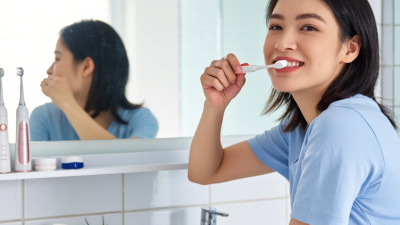
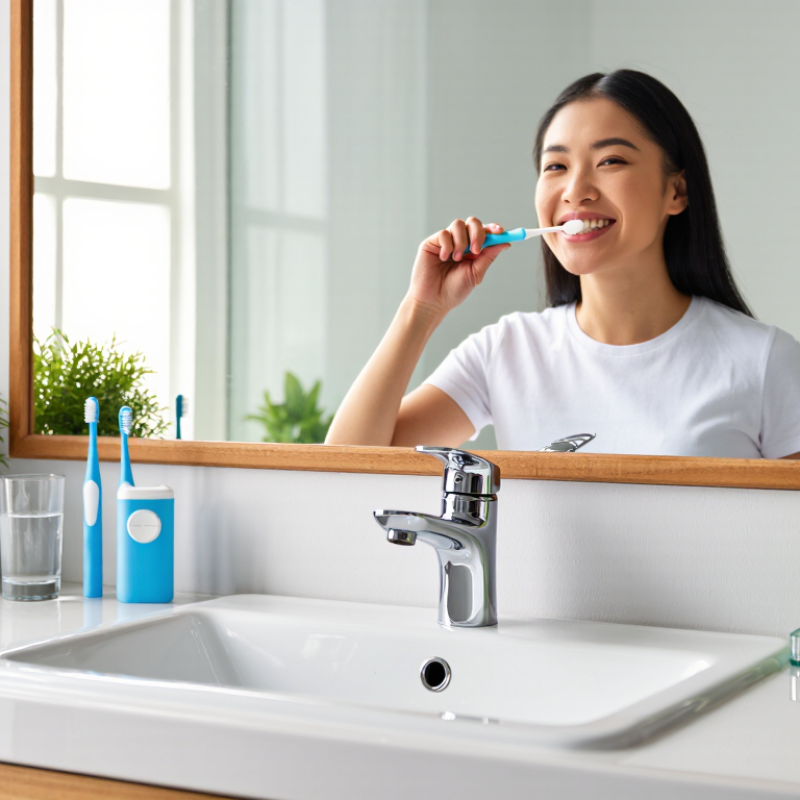
Brush for two minutes, twice a day, using a soft-bristled toothbrush and fluoride toothpaste. Angle the bristles gently toward the gumline, then clean the outer, inner, and chewing surfaces. A phone timer can help when two minutes feels longer than expected.
Small details matter.
Spit out the toothpaste afterward; rinsing immediately can wash away some fluoride. Replace a frayed toothbrush, often after about three to four months.
A toothbrush cannot clean every tight space between teeth.
Clean between them once daily with floss or an appropriately sized interdental brush, moving gently to avoid snapping against the gums. Mild bleeding can occur when gums are inflamed, but persistent bleeding or tenderness deserves attention from a dental professional.
Not perfectly, every day.
Routines slip, and brushing harder can feel like making up for it, though it may irritate gums. A steady, gentle routine is more useful. Dry mouth, braces, dexterity challenges, and other health needs can change what works, so ask a dentist or hygienist for advice suited to your mouth.
Choosing the Right Tools for Daily Care
A useful daily-care kit should be simple enough to use when you are tired. Choose a soft-bristled toothbrush with a head that can reach the back teeth comfortably. A small head may make it easier to clean around crowded areas. Use fluoride toothpaste, and brush gently for two minutes, morning and night. An electric brush can help keep brushing time consistent, but technique still matters. Move slowly along the gumline rather than scrubbing hard. Replace the brush every three to four months, or sooner if the bristles look frayed. Easy to forget.
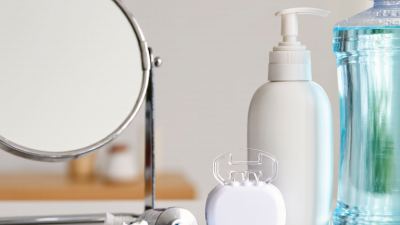
For cleaning between teeth, choose floss or an interdental brush that fits without forcing it. Floss can work well for tight spaces; a small interdental brush may suit wider gaps or some dental work. If it hurts or catches, ask a dental professional to check the size and technique. A tongue scraper is optional, not a substitute for brushing. Keep the tools where you can see them, such as beside the sink. It is tempting to buy a drawer full of gadgets, but unused tools do little. The routine that works is usually the one you can repeat.
Brushing Teeth Thoroughly and Consistently
Brushing well is less about scrubbing hard and more about covering every surface, twice a day.
The American Dental Association recommends brushing for two minutes with fluoride toothpaste. Divide your mouth into four sections and spend about 30 seconds on each. Hold a soft-bristled brush near the gumline and use gentle, short strokes. Small circles help. Hard pressure can irritate gums without cleaning teeth better.
A Cochrane review of 56 studies found that powered toothbrushes reduced plaque by 21% and gingivitis by 11% compared with manual brushes after three months. A powered brush is not essential; consistent, careful technique matters more than the tool. Brush the outer, inner, and chewing surfaces, especially the back molars. Those are easy to miss when you are rushing.
Try brushing at the same times each day, such as after breakfast and before bed. Spit out the toothpaste rather than rinsing with water, so less fluoride is washed away. Replace your brush when bristles become frayed, usually every three to four months, as the ADA advises. Missed spots happen. If your gums bleed repeatedly, or brushing causes pain, ask a dental professional for guidance rather than simply brushing harder.
Cleaning Between Teeth and Caring for the Tongue
Brushing cleans the broad surfaces of teeth, but narrow spaces can hold plaque and food debris. Cleaning between teeth once a day helps reach those areas. String floss works well when teeth are close together. Guide it gently between teeth, curve it around each tooth in a C shape, and move it below the gumline without snapping. Take your time. A little patience helps prevent sore gums.
If the spaces are wider, an interdental brush may be easier to use. Choose one that fits comfortably; forcing a brush through can irritate the gums. A dentist or hygienist can help find the right size, especially around dental work. Many people rush this step when tired. A shorter, careful routine is more useful than hurried scrubbing.
The tongue can also collect bacteria and contribute to bad breath. Brush it gently from back to front, or use a tongue cleaner with light pressure. Rinse the tool after each pass. There is no need to scrape until the tongue feels raw. Some gagging can happen, so begin near the middle and gradually work farther back as comfortable. If gum bleeding continues despite gentle cleaning, ask a dental professional for advice.
Supporting Oral Health Through Diet and Dental Visits
How to Improve Your Oral Hygiene Habits?
Diet and dental visits work together to support oral health. The World Health Organization’s 2022 Global Oral Health Status Report estimates that oral diseases affect about 3.5 billion people worldwide. Frequent sugary snacks and drinks can increase the risk of tooth decay. WHO recommends keeping free sugars below 10% of daily energy intake, and suggests that below 5% may bring further benefits. Choose water more often, and pair meals with fresh fruit, vegetables, or unsweetened dairy. A flawless menu is unrealistic. Consistent choices matter more than one perfect day.
Tips: Keep water nearby. Check food labels for added sugars, and limit sipping sweet drinks throughout the day. Book dental visits at intervals recommended for your needs; the American Dental Association advises that visit frequency should reflect a person’s oral health status and risk. Mention bleeding gums, sensitivity, or changes you have noticed, even if they seem minor.
A dental professional can spot problems early, offer personalized cleaning advice, and explain whether your brushing technique reaches the gumline. Don’t wait for pain to ask questions. Between visits, brush twice daily with fluoride toothpaste and clean between your teeth each day. Small changes matter. If keeping every habit feels difficult, start with one: swap a sweet drink for water or set a reminder for your next checkup.
How to Improve Your Oral Hygiene Habits?
Supporting Oral Health Through Diet and Dental Visits
WHO recommends keeping free sugars below 10% of total daily energy intake; reducing them to below 5% may provide additional benefits. Choose water more often, brush twice daily with fluoride toothpaste, and ask a dental professional how often you should visit, since recommended intervals depend on individual oral-health needs.
Source: World Health Organization, Guideline: Sugars Intake for Adults and Children.
 362 five star Google reviews
 193 five star Yelp reviews