How to Choose the Best Oral Health Care Products?
Choosing the right oral health care products can feel simple until a crowded shelf offers dozens of brushes, toothpastes, rinses, and flosses. The best choice is not always the most expensive one or the package with the boldest promises. It should fit your teeth, gums, daily habits, and advice from a dental professional. Small details matter.
A toothbrush should feel comfortable to hold and gentle along the gumline; many people find a soft-bristled brush easier to use comfortably. Toothpaste should suit your needs, and fluoride toothpaste is widely recommended for helping prevent tooth decay. If you have sensitivity, dry mouth, braces, or other specific concerns, ask a dentist or hygienist before adding specialized products. Mouthwash may support a routine, but it does not replace brushing and cleaning between teeth. Comfort counts.
Labels can help, but they do not tell the whole story. A product that works well for one person may irritate another, and a complicated routine can be hard to maintain. It is tempting to search for one perfect solution; that expectation may need rethinking. This guide will compare common product types, explain what to look for, and show where professional guidance is useful. The goal is a practical routine you can follow consistently, not a bathroom shelf full of products. If discomfort or bleeding persists, seek advice from a dental professional rather than relying on a product alone.
Assess Personal Risk: CDC Finds Untreated Cavities in 1 in 4 U.S. Adults
How to Choose the Best Oral Health Care Products?
The CDC reports that about one in four U.S. adults has untreated cavities. That figure makes product choices personal, not just a matter of preference. Risk can rise with frequent sugary snacks, dry mouth, gum recession, or difficulty cleaning between teeth. A toothbrush and toothpaste cannot fix every problem, but suitable daily tools can help lower risk. Fluoride toothpaste is a practical choice for many adults; ask a dentist whether your needs call for something different. A soft-bristled brush can clean without harsh scrubbing. If floss feels awkward, interdental brushes may be easier to use, depending on the spaces between your teeth.
Tips: Check for fluoride on toothpaste labels, and replace a frayed brush. Clean between teeth once a day with a tool you can use comfortably. Small steps count. If you have persistent sensitivity, bleeding gums, or recurring decay, ask a dental professional for tailored advice. More products are not always better.
It is tempting to buy a new rinse or whitening product after noticing a stain. But stains and sensitivity can have different causes, and the wrong product may irritate your mouth. I still find routines easy to skip when evenings get busy; keeping a brush visible can help, though it is no guarantee. Choose products you will use consistently, and review your choices during regular dental visits.
Choose Fluoride Toothpaste: Check for the ADA Seal and 1,000–1,500 ppm Fluoride
When comparing toothpaste, look beyond flavor and whitening claims. Check the active-ingredient panel for fluoride and the concentration in parts per million (ppm). A useful range for many everyday toothpastes is 1,000–1,500 ppm. The number can be printed in small type, so take a moment to find it. Flavor and foam may influence your choice, but neither tells you how much fluoride the paste contains.
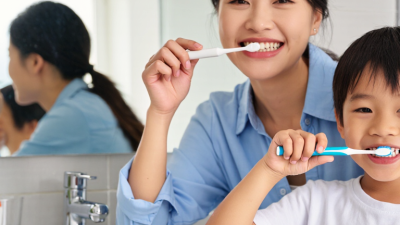
Look for the ADA Seal of Acceptance on the package. It indicates that the product has been reviewed against standards for safety and effectiveness; it is a helpful check, not a substitute for reading the label. A seal alone does not tell you the fluoride concentration, so verify both. Small detail, big difference. For children, use an age-appropriate amount: a rice-sized smear for those under three, and a pea-sized amount from ages three to six, with adult supervision. Follow your dentist’s advice if your needs differ. After brushing, spit out the paste rather than swallowing it. I sometimes find that a clear label matters more than a persuasive front-of-package claim.
How to Choose the Best Oral Health Care Products? — Choose Fluoride Toothpaste: Check for the ADA Seal and 1,000–1,500 ppm Fluoride
| What to Check | What to Look For | Practical Benchmark | Why It Matters |
|---|---|---|---|
| ADA Seal of Acceptance | Look for the ADA Seal on the package and confirm the product is currently listed in the ADA’s accepted-product directory. | Choose a toothpaste carrying a current ADA Seal, where available. | The Seal indicates that the product has been evaluated against the ADA’s requirements for safety and effectiveness. Check the fluoride ingredient and concentration separately. |
| Fluoride concentration | Read the active-ingredient or “Drug Facts” panel for the fluoride concentration, expressed in parts per million (ppm). | For many everyday toothpastes, look for approximately 1,000–1,500 ppm fluoride. | Fluoride helps strengthen tooth enamel and prevent cavities when used as directed. |
| Fluoride ingredient | Check that the active ingredient is a fluoride compound, such as sodium fluoride, sodium monofluorophosphate, or stannous fluoride. | The package should identify the fluoride ingredient and provide clear directions. | Different fluoride compounds can be used in toothpaste; the labeled fluoride concentration and directions help you assess the product. |
| Brushing routine | Use fluoride toothpaste to brush all tooth surfaces thoroughly. | Brush twice a day for about two minutes, unless a dental professional gives different instructions. | Regular brushing helps remove plaque and gives fluoride repeated contact with the teeth. |
| Children’s use | Use an age-appropriate amount and supervise young children so they spit out toothpaste rather than swallow it. | For children under 3, use a smear about the size of a grain of rice; for ages 3–6, use a pea-sized amount. | Small, supervised amounts help children receive fluoride’s benefits while limiting how much toothpaste they swallow. |
| Personal dental needs | Ask a dentist about product choice if you have a high risk of cavities, dry mouth, sensitivity, or another specific dental concern. | Use prescription-strength or specialized products only when recommended by a dental professional. | Individual needs can call for guidance beyond what a general-purpose toothpaste label provides. |
Note: Product labels and recommendations may vary by country. Follow the package directions and advice from your dentist or other dental professional.
Select a Soft-Bristled Brush: ADA Advises Brushing for 2 Minutes Twice Daily
How to Choose the Best Oral Health Care Products?
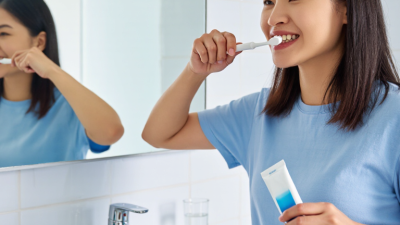
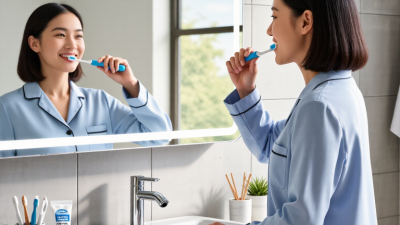
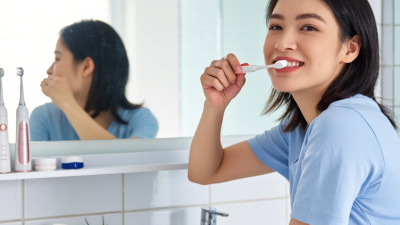
A soft-bristled toothbrush is a practical choice for daily cleaning. The American Dental Association recommends brushing twice a day for two minutes with fluoride toothpaste. Bristles should feel gentle, not scratchy. Pressing harder does not make teeth cleaner; it can irritate gums. Small circles along the gumline help reach plaque without harsh scrubbing. Keep it gentle.
Choose a brush head that can reach the back teeth comfortably, and a handle that feels steady in your hand. A timer can help if two minutes seem longer than expected. Divide your mouth into four sections and spend about 30 seconds on each. It is surprisingly easy to miss the inner surfaces when rushing. I still find that easy to do.
Check the bristles regularly. Replace the brush when they become frayed, or about every three to four months, as ADA guidance advises. A worn brush may not clean as effectively. If brushing causes persistent soreness or bleeding, ask a dental professional for advice; technique and individual needs can vary. Brush gently, and give each surface attention.
How to Choose the Best Oral Health Care Products
The American Dental Association advises brushing for two minutes twice daily with a soft-bristled toothbrush. The chart shows the recommended brushing duration for each session.
Add Interdental Cleaning: ADA Recommends Cleaning Between Teeth Once Daily
How to Choose the Best Oral Health Care Products?
Add interdental cleaning to your daily routine. The American Dental Association recommends cleaning between your teeth once a day. A toothbrush may not reach the narrow spaces where food and plaque collect. Floss can work well for tight spaces, while an interdental brush may suit wider gaps. The right choice depends on your teeth, dexterity, and comfort. Ask a dentist or hygienist if you are unsure.
Use a gentle touch. With floss, guide it between teeth without snapping it against the gums, then curve it around each tooth and move it carefully along the side. An interdental brush should slide into a gap without force. If it bends or hurts, try a different size or ask a dental professional for advice. A little bleeding can happen when gums are inflamed, but persistent bleeding or pain deserves attention. Habits can be awkward at first. That is normal, though it is easy to miss a spot when rushing.
Tips: Keep your floss or brush where you will see it, such as beside your toothbrush. Clean between teeth at a consistent time each day, and use a mirror until the motions feel familiar. If you have braces, bridges, or limited hand movement, ask which tool and technique fit your needs.
Maintain Your Brush: ADA Recommends Replacement Every 3–4 Months
A toothbrush can look usable even after its bristles begin to spread. The American Dental Association recommends replacing a toothbrush every three to four months, or sooner if the bristles become frayed. Treat that interval as a helpful guide, not an exact deadline. Look closely at the brush head. Bent or splayed bristles may make it harder to clean carefully along the gumline and around back teeth. A quick check while rinsing can catch wear you might otherwise miss.
Build replacement into a routine, such as changing the brush with the seasons. For an electric toothbrush, the same timing generally applies to its brush head. Rinse it after use and let it air-dry upright. Simple enough. A calendar reminder helps, but it cannot judge the bristles for you. It is easy to postpone a replacement because the handle still works; I would not wait for every bristle to fan outward. Choose a comfortable brush with soft bristles, then pay attention to how its head changes with daily use.
362 five star Google reviews
193 five star Yelp reviews