(310) 530-7011 Contact Us

Follow Us

How to Maintain Good Dental Health?

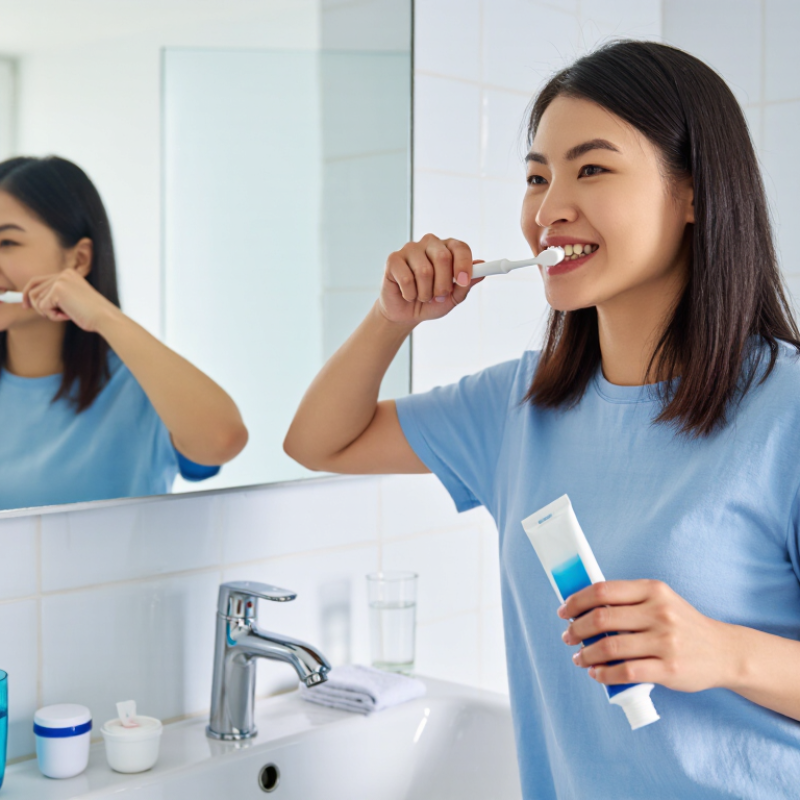
Good dental health is built in ordinary moments: at the sink, during meals, and at routine checkups. A soft-bristled toothbrush and fluoride toothpaste help remove plaque when used gently for two minutes, twice a day. Clean between your teeth daily with floss or another suitable cleaner; toothbrush bristles often miss these narrow spaces. Small habits matter. So does consistency, even when a day gets busy.

These dental health tips are a practical starting point, not a substitute for personalized care. Frequent sugary snacks and sweet drinks can raise the risk of tooth decay, so choose water more often and keep sweets occasional. A glass of water after lunch is a simple reminder. Regular dental visits let a professional check for problems that may not hurt yet and suggest care suited to your history. How often you need a visit can vary.

No routine is perfect. I might brush carefully at night and still forget to floss; noticing that gap is more useful than feeling guilty. If you have persistent tooth pain, bleeding gums, or sensitivity, contact a dentist rather than relying on home care alone. Good oral care is less about one perfect day and more about returning to the basics, day after day.
How to Maintain Good Dental Health?

Understanding the Foundations of Dental Health

How to Maintain Good Dental Health?

Understanding the Foundations of Dental Health

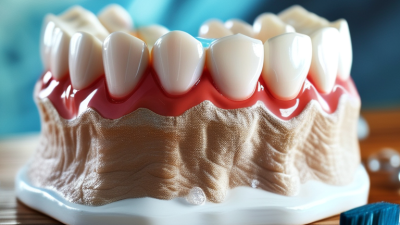
Dental health begins with a stable daily routine, not a single product or perfect technique. Teeth have a hard outer layer, while gums support the tissues around them. Plaque is a soft film of bacteria that collects on teeth throughout the day. If it remains, it can contribute to cavities and gum inflammation. Small details matter.

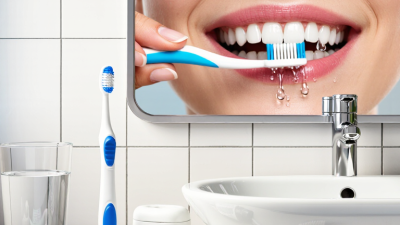
Brush twice daily for about two minutes with fluoride toothpaste, using gentle strokes along the gumline. A soft-bristled brush helps clean without unnecessary pressure. Clean between teeth each day, where a toothbrush may not reach. Spit after brushing rather than rinsing right away, so fluoride stays on the teeth longer. These habits are simple, but tired mornings can make them easy to skip.

Food and drink choices also affect the mouth. Frequent sugary snacks and sweet drinks give cavity-causing bacteria more chances to produce acids. Water between meals can help clear food debris. Notice persistent bleeding, swelling, pain, or sensitivity; these signs deserve attention from a dental professional. Bleeding gums are sometimes dismissed as normal, but they can signal inflammation. Home care matters, yet it cannot replace an examination or cleaning when one is needed.
Building a Daily Oral Hygiene Routine

How to Maintain Good Dental Health?

Building a Daily Oral Hygiene Routine

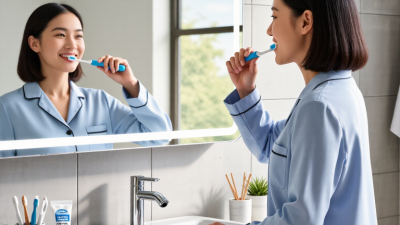
A reliable oral care routine starts with brushing twice a day for two minutes. Use a soft-bristled brush and fluoride toothpaste, reaching the gumline and the backs of your teeth. Small, gentle circles work better than hard scrubbing, which can irritate gums. Keep it simple. A timer can help when two minutes feels longer than expected.

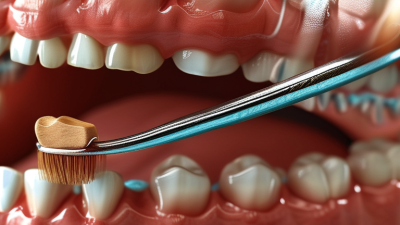
Clean between your teeth once daily with floss or another suitable interdental cleaner. Move gently beneath the gumline rather than snapping the floss down. If your gums bleed regularly, or brushing causes pain, ask a dental professional for advice. Occasional bleeding may be easy to dismiss, but it deserves attention. Replace your toothbrush every three to four months, or sooner if its bristles become frayed.

After an acidic drink or food, such as citrus juice, rinse with water and wait about 30 minutes before brushing. This gives softened enamel time to recover. Drink water throughout the day, and notice how often you snack on sugary foods; frequent exposure can increase the risk of decay. Routines are not always perfect. I sometimes rush at night, so keeping floss near the toothbrush makes it harder to forget. Regular dental visits can help tailor care to your needs.

How to Maintain Good Dental Health? - Building a Daily Oral Hygiene Routine

Routine Step When and How Often Recommended Practice Why It Matters
Brush your teeth Twice daily, for two minutes each time Use a soft-bristled toothbrush and fluoride toothpaste. Brush all tooth surfaces gently, including along the gumline. Helps remove plaque and supports protection against tooth decay.
Clean between your teeth Once daily Use dental floss or an appropriately sized interdental brush. Move carefully to clean between teeth without snapping into the gums. Reaches areas a toothbrush may not clean effectively.
After brushing After each brushing Spit out excess toothpaste. Avoid rinsing immediately with water so less fluoride is washed away. Allows more fluoride to remain on the teeth after brushing.
Clean your tongue Daily, if comfortable Gently brush the tongue or use a tongue cleaner; stop if it causes discomfort. Can help remove surface debris and reduce odor-causing buildup.
Choose drinks and snacks thoughtfully Throughout the day Drink water regularly and limit how often you have sugary foods and drinks. Keep sugary items to mealtimes where practical. Frequent sugar exposure can increase the risk of tooth decay.
Replace your toothbrush About every three to four months, or sooner if bristles are frayed Replace a manual toothbrush or electric toothbrush head when it shows wear. Worn bristles may clean less effectively.
Arrange dental check-ups At the interval recommended by your dental professional Keep regular check-ups and seek advice sooner if you notice pain, bleeding gums, swelling, or a persistent change in your mouth. Visit frequency can vary according to individual oral health needs and risk factors.

Note: These general habits support oral health but do not replace personalized advice from a dentist or other qualified dental professional.

Choosing Foods and Habits That Protect Teeth

How to Maintain Good Dental Health?
Choosing Foods and Habits That Protect Teeth

Protect teeth by noticing how often they encounter food, not just how sweet a snack tastes. Sticky dried fruit and crackers can cling in grooves, where mouth bacteria produce acids. Choose crisp vegetables, plain yogurt, cheese, nuts, or whole fruit more often. These foods provide nutrients without encouraging constant grazing. Water helps. Fluoridated tap water, where available, supports enamel; rinsing with water after a sweet snack is a useful fallback. Even with good intentions, it is easy to snack at a desk and forget the crumbs. Noticing that pattern is more useful than feeling guilty about it.

Frequency matters. Eating sweets with a meal is generally kinder to teeth than grazing all afternoon, because saliva has time to help neutralize acids. Choose water over sugary drinks most of the time, and avoid slowly sipping juice or soda. Brush twice daily for two minutes with fluoride toothpaste. Use gentle pressure along the gumline, and clean between teeth every day with floss or another suitable cleaner. After acidic foods or drinks, wait about 30 minutes before brushing. Enamel may be temporarily softened. Routines are easy to overestimate, so persistent bleeding gums, worsening sensitivity, or specific dental concerns are good reasons to seek advice from a dentist or hygienist.

Using Professional Dental Care for Prevention

How to Maintain Good Dental Health?

Using Professional Dental Care for Prevention

Routine dental visits can catch concerns before they become painful or harder to treat. A dentist can examine your teeth and gums, look for early decay, and ask about changes in sensitivity or bleeding. Professional cleanings remove hardened plaque that brushing may not reach. The right visit schedule depends on your oral health, medical history, and risk factors, so ask your dental professional what timing suits you.

It is easy to postpone an appointment when nothing hurts; that habit deserves a second look. Prevention is not a guarantee that problems will never occur, but it can help identify them earlier. Share practical details, such as dry mouth, new medication, or difficulty flossing. These can affect your care plan. If you notice persistent pain, swelling, or bleeding, contact a dental professional rather than waiting for your next routine visit.

Recognizing Dental Problems and Seeking Timely Treatment

A toothache that fades is not always a problem that has gone away. Pain when chewing, lingering sensitivity to hot or cold, or gums that bleed during brushing can signal a dental issue. Small clues matter. Note when symptoms began and what makes them better or worse. That detail can help your dentist assess the cause, though it cannot replace an examination.

Arrange a dental appointment for persistent pain, swelling, a damaged tooth, or a sore in your mouth that lasts more than two weeks. Do not wait. Facial swelling with fever needs prompt attention; trouble breathing or swallowing calls for emergency care. Until you are seen, keep the area clean and avoid chewing on a painful tooth. Skip improvised fixes that could irritate it. It is tempting to blame every twinge on sensitivity, but symptoms can have different causes. Even regular brushing cannot reveal everything happening below the gumline, and that is easy to forget. Your dentist can recommend an examination schedule based on your needs.

How to Maintain Good Dental Health: Recognizing Problems and Seeking Timely Treatment

Estimated number of people worldwide affected by selected oral health conditions

Why early attention matters: Watch for tooth pain or sensitivity, visible decay, bleeding or swollen gums, and persistent mouth sores. Arrange a dental visit when symptoms appear; seek urgent care for severe pain, facial swelling, or trouble swallowing or breathing.

Source: World Health Organization, Oral Health fact sheet. Estimates are people affected; conditions can overlap and should not be added together.

Skip footer

Join our dental family today.

Torrance DentistryDr. Steve & Daniel Yabuno

Address

3500 Lomita Blvd #103
Torrance, CA 90505

Opening Hours

  • Monday: 8:00 am - 5:30 pm
  • Tuesday: 8:00 am - 5:30 pm
  • Wednesday: 8:00 am - 5:30 pm
  • Thursday: 8:00 am - 5:30 pm
  • Friday: 8:00 am - 2:00 pm
  • Saturday: 8:00 am - 2:00 pm

Phone

(310) 530-7011

Follow Us