(310) 530-7011 Contact Us

Follow Us

Top Dental Health Awareness Tips for Healthy Teeth

A healthy smile is not built by luck. It grows from small, repeated choices, such as brushing gently, cleaning between teeth, and drinking water after meals. Dental health awareness helps people notice these habits before discomfort becomes a serious problem. It also reminds us that strong teeth support eating, speaking, confidence, and general wellbeing.

“A healthy mouth is a great asset. It enables us to speak, smile, taste, touch, chew, swallow and convey a range of emotions with confidence,” says Dr. Nigel Carter OBE, Chief Executive of the Oral Health Foundation. His statement shows why oral care deserves more than occasional attention. A toothbrush should reach the gumline, not only the visible front surfaces. Floss or interdental brushes can remove trapped food between crowded teeth. Fluoride toothpaste can strengthen enamel, but brushing harder does not clean better.

Small details matter.

Yet perfect routines are unrealistic. Some people skip a night when they feel exhausted. Others delay appointments because their teeth do not hurt. That is where reflection becomes useful. A painless cavity can still grow quietly, like a small crack spreading beneath paint. Regular dental examinations help identify decay, gum inflammation, worn enamel, and other concerns early. Dentists can also tailor advice for braces, dry mouth, sensitive teeth, or changing health conditions.

This guide explores practical dental health awareness tips for healthier teeth and gums. It focuses on habits that fit real mornings, busy workplaces, family meals, and imperfect schedules. Even one improved habit can become a meaningful step toward long-term oral health.
Top Dental Health Awareness Tips for Healthy Teeth

Understanding the Foundations of Dental Health

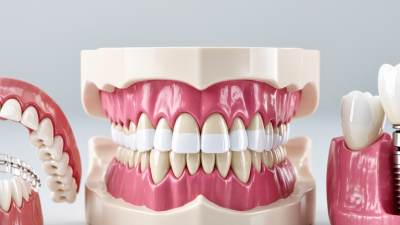
Understanding dental health begins with the mouth’s basic structure. Enamel protects each tooth, while gums support the roots and surrounding bone. Saliva also helps neutralize acids after meals. When plaque remains along the gumline, bacteria can produce acids and trigger inflammation. The World Health Organization’s Global Oral Health Status Report (2022) estimates that nearly 3.5 billion people live with oral diseases worldwide. Untreated decay remains especially common.

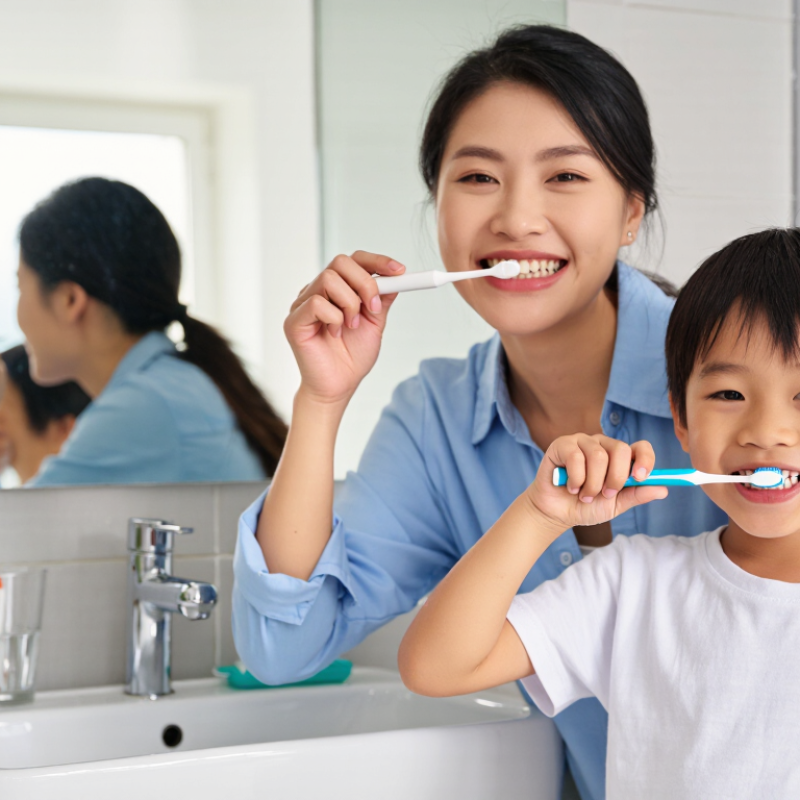
Daily habits matter, but perfection is unrealistic. Brush twice daily with fluoride toothpaste, using gentle circles near the gumline. Clean between teeth once a day with floss or an interdental brush. Reduce frequent sugary drinks and snacks, especially between meals. Tips: Keep a toothbrush near your usual morning routine. Replace it when bristles spread. Drink water after acidic foods. Do not scrub harder; pressure can irritate gums. A dental checkup can identify early decay, gum bleeding, or enamel wear before discomfort appears. The U.S. National Institute of Dental and Craniofacial Research reports that about one in four adults aged 20 to 64 had untreated cavities during 2017–2020.

Small details are easy to overlook. I once treated brushing as the whole answer, but plaque can remain between crowded teeth. That assumption needed correction. Healthy teeth depend on consistent cleaning, balanced eating patterns, saliva protection, and professional assessment. Gum bleeding should not be dismissed as normal. Persistent pain, swelling, or sensitivity deserves timely dental advice.

Building an Effective Daily Oral Care Routine

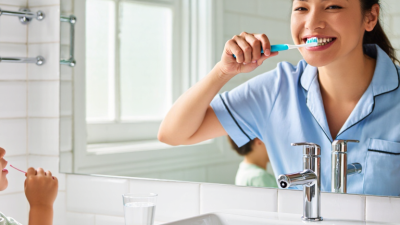
A healthy smile begins with a routine that fits real life. Brush twice daily for two minutes using a soft-bristled toothbrush and fluoride toothpaste. Hold the brush at a slight angle toward the gumline. Use gentle, short strokes instead of pressing hard. Hard brushing can irritate gums and wear enamel over time. I still catch myself rushing at night, especially after a tiring day. A small timer helps keep the habit honest.

Clean between your teeth once daily with floss or interdental brushes. Move the cleaner carefully along each tooth’s side, not just through the contact point. Bleeding gums should not be ignored, although mild bleeding can occur when cleaning starts after a long break. Persistent bleeding deserves professional advice. Dental professionals also recommend cleaning the tongue gently, since its surface can hold odor-causing bacteria. Spit after brushing, but avoid rinsing immediately with lots of water. This allows fluoride to remain on the teeth longer.

Daily choices matter too. Sip water regularly, especially after meals or sweet drinks. Frequent sugar exposure can increase the risk of tooth decay, even when portions are small. Keep an evening routine simple: brush, clean between teeth, and avoid unnecessary snacks afterward. Replace a worn toothbrush when bristles bend or spread. Regular dental examinations can identify decay, gum problems, or enamel damage before discomfort appears. My routine is not perfect, but noticing weak points makes it easier to improve.

Top Dental Health Awareness Tips for Healthy Teeth - Building an Effective Daily Oral Care Routine
Oral Care Dimension Recommended Action Suggested Frequency or Duration Primary Benefit Practical Awareness Tip
Toothbrushing Brush all tooth surfaces and along the gumline with a soft-bristled toothbrush and fluoride toothpaste. Twice daily for about 2 minutes each time. Removes plaque and helps prevent tooth decay and gum disease. Use gentle pressure; brushing harder does not clean better and may irritate gums.
Fluoride Toothpaste Use an age-appropriate amount of toothpaste containing fluoride. At every brushing session. Strengthens enamel and supports remineralization of early weakened areas. Spit after brushing rather than rinsing extensively with water, unless advised otherwise by a dental professional.
Between-Teeth Cleaning Clean between teeth with dental floss, interdental brushes, or another suitable interdental device. Once daily. Removes plaque and food particles that a toothbrush cannot reach. Choose the method that fits the spaces between your teeth and use it consistently.
Sugar and Acid Awareness Reduce the amount and frequency of sugary foods, sweetened drinks, and acidic beverages. Make it a daily eating and drinking habit. Lowers the risk of acid attacks, enamel erosion, and tooth decay. Keep sugary items with meals instead of consuming them repeatedly between meals.
Water Intake Choose plain water regularly, especially after meals or snacks. Throughout the day. Helps rinse the mouth and supports saliva, which naturally protects teeth. Water is preferable to frequent sipping of sugary or acidic drinks.
Toothbrush Replacement Replace the toothbrush or brush head when bristles become frayed or worn. Generally every 3 to 4 months, or sooner if worn. Maintains effective plaque removal and hygiene. Store the brush upright and allow it to air-dry between uses.
Gum Health Monitoring Check for persistent bleeding, swelling, redness, tenderness, or changes in gum shape. Monitor regularly during daily care. Encourages early attention to possible gum inflammation or disease. Repeated or unexplained symptoms should be assessed by a dental professional.
After Acidic Foods or Drinks Rinse with water and wait before brushing after consuming acidic items. After acidic exposure; wait about 30 minutes before brushing. Helps reduce the risk of brushing softened enamel. Avoid holding or swishing acidic drinks in the mouth.
Dental Checkups Attend examinations and professional cleanings according to an individualized care plan. At intervals recommended for personal oral-health needs. Supports early detection and management of dental problems. Visit sooner for tooth pain, swelling, trauma, or persistent sensitivity.
Protective Habits Avoid using teeth to open packages and consider a properly fitted mouthguard for contact sports. Use protective measures whenever the risk is present. Reduces the chance of chipped, fractured, or knocked-out teeth. Seek urgent dental care after a significant dental injury.
General guidance: Individual recommendations may vary according to age, medical history, orthodontic treatment, gum health, dry mouth, and risk of tooth decay. Children should receive age-specific brushing and fluoride guidance from a dental professional.

Choosing Foods and Habits That Protect Teeth

Healthy teeth are shaped by daily choices, not occasional heroic cleaning. A balanced plate can reduce frequent acid attacks from sugary drinks, sweets, and sticky snacks. Choose crunchy vegetables, plain yogurt, eggs, beans, and cheese when suitable for your diet. Drink water after meals. It helps wash away loose food and supports saliva. Saliva is your mouth’s natural defense. I have noticed that keeping water nearby makes this habit easier. Still, I sometimes snack late, which shows that healthy plans must remain realistic.

Tips: Eat sweets with meals instead of grazing throughout the day. Wait about 30 minutes before brushing after acidic foods. Use a soft-bristled brush and fluoride toothpaste twice daily. Clean between your teeth once a day. Gentle is better. Dental professionals also advise replacing brushes when bristles become bent or worn.

Food choices cannot replace dental examinations. A dentist can detect early decay, gum inflammation, enamel wear, and other problems before they become painful. Contact a dental professional if bleeding, swelling, pain, or lasting sensitivity appears. Spit after brushing instead of rinsing heavily, unless your dental professional advises otherwise. I sometimes rush this routine, but slower brushing usually gives better coverage. Pay attention to the gumline and the back teeth. Those areas are easy to miss.

Recognizing Common Dental Problems Early

A sharp twinge from cold water can seem harmless, but repeated sensitivity may signal enamel wear, decay, or a cracked tooth. Early dental problems often develop quietly. Watch for bleeding when brushing, swollen gums, persistent bad breath, or a rough edge against your tongue. A loose adult tooth needs prompt professional attention. Do not wait for severe pain.

Check your mouth in a well-lit mirror once a week. Look for brown spots, tiny holes, gum redness, or changes around fillings. Notice whether food repeatedly lodges between the same teeth. Bleeding gums are common, but they are not simply normal. Gentle brushing and daily cleaning may help, while a dental examination identifies the actual cause. Home checks cannot replace professional care.

One easy mistake is postponing an appointment because discomfort disappears. Pain can fade while an infection continues beneath the surface. I have also underestimated how quickly a small chip can collect plaque. That assumption needs reconsideration. Seek urgent dental advice for facial swelling, fever, difficulty swallowing, or rapidly worsening pain. Keep a brief record of symptoms, including triggers, duration, and location. These details help a dental professional assess changes more accurately.

Maintaining Regular Professional Dental Care

Maintaining Regular Professional Dental Care

Regular dental visits are a practical part of protecting healthy teeth and gums. Many dental professionals recommend checkups every six months, but your schedule may need adjustment. Gum disease, tooth sensitivity, braces, diabetes, or frequent decay can require closer monitoring. A professional examination can find small problems before they become painful or expensive.

During an appointment, the dental team may inspect your gums, bite, fillings, and tooth surfaces. They might measure gum pockets or recommend X-rays when symptoms or risk factors justify them. A careful cleaning removes hardened tartar that brushing cannot eliminate. Ask what each procedure is checking. Clear explanations make care more reliable.

Tips: Keep appointments even when nothing hurts. Pain is not always an early warning. Write down bleeding, sensitivity, or changes in your bite before visiting. Bring an updated medication list. Follow the cleaning advice given for your mouth, not someone else’s routine. I once underestimated a minor bleeding spot; that was a useful reminder that “small” does not mean unimportant. However, professional advice should still guide decisions, especially when symptoms persist. Schedule a review if swelling, loose teeth, lasting pain, or mouth sores appear.

Skip footer

Join our dental family today.

Torrance DentistryDr. Steve & Daniel Yabuno

Address

3500 Lomita Blvd #103
Torrance, CA 90505

Opening Hours

  • Monday: 8:00 am - 5:30 pm
  • Tuesday: 8:00 am - 5:30 pm
  • Wednesday: 8:00 am - 5:30 pm
  • Thursday: 8:00 am - 5:30 pm
  • Friday: 8:00 am - 2:00 pm
  • Saturday: 8:00 am - 2:00 pm

Phone

(310) 530-7011

Follow Us