10 Dental Treatment Planning Tips for Global Buyers
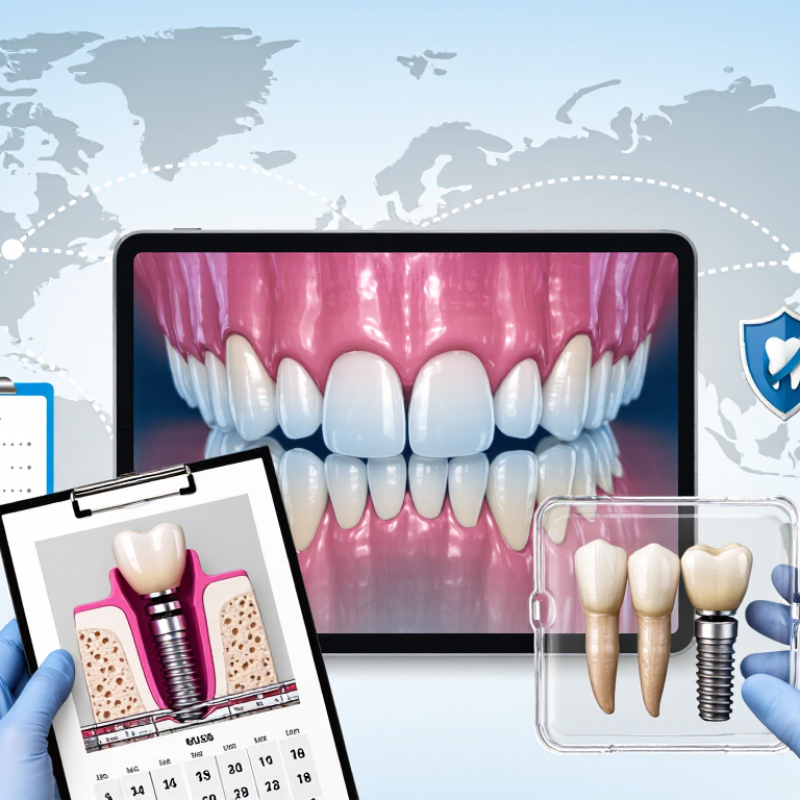
For global buyers, dental treatment planning is more than selecting a clinic or comparing package prices. It connects diagnosis, clinical experience, product quality, timelines, and aftercare across borders. A reliable plan should explain the proposed treatment, expected outcomes, materials, risks, and maintenance needs in clear language. It should also identify the licensed dental professionals responsible for each decision.
Details matter. A digital scan, periodontal chart, and written radiograph report can reveal concerns hidden behind an attractive smile. Ask who reviews these records. Ask how complications are managed after you return home. Also confirm whether the clinic follows recognized infection-control procedures and complies with local healthcare regulations. Credentials and transparent communication are stronger signals than polished advertisements.
The lowest quote can be expensive later.
These ten practical tips help international patients and purchasing teams evaluate treatment options with greater confidence. They address consultation quality, treatment sequencing, implant and restorative choices, documentation, travel timing, and follow-up support. Each point reflects common planning needs seen in cross-border dental care, while recognizing that every patient requires individual assessment. A plan that works for one buyer may fail for another because of bone health, medications, allergies, or limited recovery time.
No checklist replaces an examination by a qualified dentist. That limitation matters. Buyers should request a personalized diagnosis and independent advice when the treatment is complex or irreversible. Careful questions may feel inconvenient before treatment, but they can prevent painful surprises after it.
Define Treatment Goals and Patient Requirements
Before comparing dental products or service proposals, define the treatment goal in measurable terms. Is the priority pain control, restored chewing, improved appearance, or long-term maintenance? A vague goal creates vague purchasing criteria. That detail matters.
Record the patient’s clinical findings, medical history, allergies, medications, and previous treatment experience. Include opening limitations, bone condition, oral hygiene, and expected appointment time. Patient preferences also deserve careful attention. Some patients value a natural appearance, while others prioritize durability or a shorter recovery period. Anxiety, language needs, mobility limitations, and budget may affect the treatment plan. Ask better questions.
For global buyers, translate these requirements into clear specifications. Request material information, sterilization guidance, compatibility details, quality documentation, and user training requirements. Confirm that the proposed solution fits local clinical standards and import rules. Keep patient consent and data protection in the process. A checklist helps, but it can still miss daily realities. A patient may agree during consultation, then struggle with cleaning instructions at home. Recheck understanding with simple questions and written guidance. Treatment goals may also change after imaging, healing, or a second clinical opinion. Leave room for that change.
Evaluate Dental Providers, Credentials, and Clinical Expertise
10 Dental Treatment Planning Tips for Global Buyers
Evaluate Dental Providers, Credentials, and Clinical Expertise
A reliable dental provider should clearly display licensing information and professional qualifications. Check the licensing authority in the treatment country. Confirm that the dentist’s registration remains active. Specialist training also matters for implants, oral surgery, orthodontics, and complex restorations.
Ask how often the provider performs your proposed procedure. Request anonymized case examples with similar bone conditions, tooth loss, or alignment concerns. Experienced clinicians should explain success factors, possible complications, and alternative treatments in plain language. Vague promises deserve caution.
Review the clinic’s diagnostic process before discussing prices. A careful plan may include digital scans, medical history, periodontal assessment, and appropriate imaging. Ask who reviews these records and how treatment decisions are documented. You should receive a written plan, itemized fees, timelines, and follow-up arrangements.
Communication is clinical evidence too. The provider should answer questions without pressure or exaggerated certainty. Ask what happens if pain, infection, loose restorations, or delayed healing occurs after you return home. Cross-border treatment needs a realistic aftercare plan, not just a phone number.
Independent reviews can help, but they are not proof of expertise. Look for consistent comments about consent, cleanliness, communication, and follow-up. A polished website may still hide weak clinical systems. I might overlook a convenient price when records, credentials, or emergency support remain unclear. Decisions improve when another qualified dentist reviews the proposed plan.
Compare Treatment Options, Materials, and Expected Outcomes
Global dental buyers should compare treatment options by diagnosis, not by price alone. The World Health Organization’s Global Oral Health Status Report 2022 estimates that 2.5 billion people have untreated permanent-tooth caries. Periodontal disease affects about 1 billion people worldwide. These figures show why treatment planning must begin with clinical records, radiographs, periodontal findings, and realistic patient goals.
Ask whether a tooth needs restoration, endodontic treatment, extraction, or replacement. Compare the expected chair time, maintenance needs, invasiveness, and risks. For materials, review fracture resistance, wear behavior, tissue compatibility, and repairability. Ceramic, composite, metal, and hybrid materials each perform differently under chewing pressure. No material wins every case. That point is often overlooked.
Expected outcomes should include survival estimates, healing time, appearance, function, and possible retreatment. Request evidence from peer-reviewed studies, professional guidelines, and audited clinical data. The FDI World Dental Federation emphasizes prevention, risk assessment, and patient-centered care in global oral health policy. Still, published averages cannot predict one patient perfectly. Smoking, diabetes, hygiene, bone quality, and missed appointments can change results. A low quotation may exclude imaging, temporary restorations, follow-up visits, or complication management. Compare the complete care pathway, not just the treatment line. Check credentials, sterilization procedures, informed-consent documents, and warranty conditions before purchasing. A careful comparison may feel slower. It usually prevents expensive surprises.
10 Dental Treatment Planning Tips for Global Buyers
Compare treatment options, materials, and expected outcomes before selecting a dental restoration. The chart presents generalized midpoint estimates of commonly reported clinical service-life ranges; actual results depend on diagnosis, oral hygiene, occlusion, material quality, clinician skill, and maintenance.
Typical clinical service-life estimates: direct composite restorations, 5–7 years; amalgam restorations, 10–15 years; porcelain-fused-to-metal crowns, 10–15 years; lithium disilicate crowns, 10–15 years; zirconia crowns, 10–20 years. These figures are planning ranges, not guarantees.
Practical Treatment Planning Tips
- Confirm the diagnosis and treatment objective before comparing materials.
- Compare conservative direct restorations with indirect crowns or onlays.
- Review material strength, fracture resistance, wear behavior, and esthetics.
- Match the material to the tooth position and expected chewing load.
- Consider moisture control and bonding requirements during placement.
- Evaluate the patient’s caries risk, periodontal condition, and occlusion.
- Ask for documented clinical evidence and material certifications.
- Compare total treatment cost, including laboratory, delivery, and maintenance expenses.
- Clarify warranty conditions, replacement policies, and follow-up support.
- Plan regular examinations and professional maintenance to improve longevity.
Verify Costs, Timelines, Travel Plans, and Aftercare
10 Dental Treatment Planning Tips for Global Buyers
Verify the clinic’s professional credentials and licensing before discussing treatment. Request an itemized estimate covering consultation, imaging, anesthesia, temporary work, and laboratory fees. Ask whether prices are fixed or may change after examination. Confirm accepted payment methods, refund rules, and currency conversion charges. A low quote can hide important exclusions.
Request a written treatment timeline with each stage clearly explained. Confirm how many visits are required and how long each visit lasts. Leave extra days for swelling, laboratory delays, or unexpected adjustments. Do not schedule a flight immediately after major dental work. Keep copies of your passport, medical records, prescriptions, and treatment plan. Check travel requirements through official government sources.
Ask who handles emergencies after you return home. Confirm whether remote consultations and local follow-up support are available. Request written aftercare instructions, including food restrictions, pain control, cleaning, and warning signs. Arrange travel insurance that clearly covers your situation. Carry prescribed medicine in its original packaging. A responsible dentist should explain risks, alternatives, and likely limitations. Even careful plans can change. Buyers sometimes focus too heavily on price and underestimate recovery time. Building a financial and travel buffer may feel excessive, but it can prevent rushed decisions.
Confirm Safety Standards, Communication, and Treatment Agreements
10 Dental Treatment Planning Tips for Global Buyers
Confirm the clinic’s licensing, sterilization procedures, and applicable safety standards before discussing prices. Request recent inspection records, sterilization logs, and material traceability documents. Ask how the team manages allergies, imaging errors, and medical complications. Safety should be demonstrated, not simply promised. Ask for evidence. Check the dentist’s credentials through an official professional register when available. A remote consultation can reveal communication gaps early. Use a qualified interpreter if technical terms become unclear. Confirm who will answer questions before, during, and after treatment. Clear communication is part of clinical safety.
Request a written treatment plan with diagnosis, proposed procedures, alternatives, expected outcomes, appointment dates, and recovery limits. The agreement should identify the treating professionals and explain follow-up responsibilities. It should also state itemized costs, payment stages, cancellation terms, revision policies, and emergency support. Keep it written. Ask whether your records and images will be stored securely and shared only with permission. Do not rely on chat messages alone. Important details can disappear.
A practical buyer’s lesson is that a polished website proves very little. A checklist can still miss a critical question. I would ask what happens if healing takes longer than expected, because ideal timelines are not guarantees. Confirm whether local care is possible after returning home. Request copies of prescriptions, images, and clinical notes in a readable format. Leave time for reflection before paying a deposit. Rushed decisions create avoidable pressure. Even careful planning has limits, so document uncertainties and ask the clinic to address them directly.
Related Posts
-
What are the Best Practices for Dental Wellness?
-
10 Tips for Buying Comprehensive Dental Care Products
-
Top 10 Essential Dental Health Tips for a Brighter Smile?
-
How to Choose General Dental Care Products in 2026?
-
What Are the Top Cosmetic Dental Care Types in 2026?
-
How to Improve Your Oral Hygiene Habits?
362 five star Google reviews
193 five star Yelp reviews