(310) 530-7011 Contact Us

Follow Us

China Best Dental Anxiety Management Products?

Choosing the best dental anxiety management products in China requires more than attractive packaging or online ratings. Anxiety can appear as tense shoulders, shallow breathing, sweating, or avoidance before treatment begins. A quiet waiting room may help one patient, while another needs clear explanations and noise reduction. Individual responses differ.

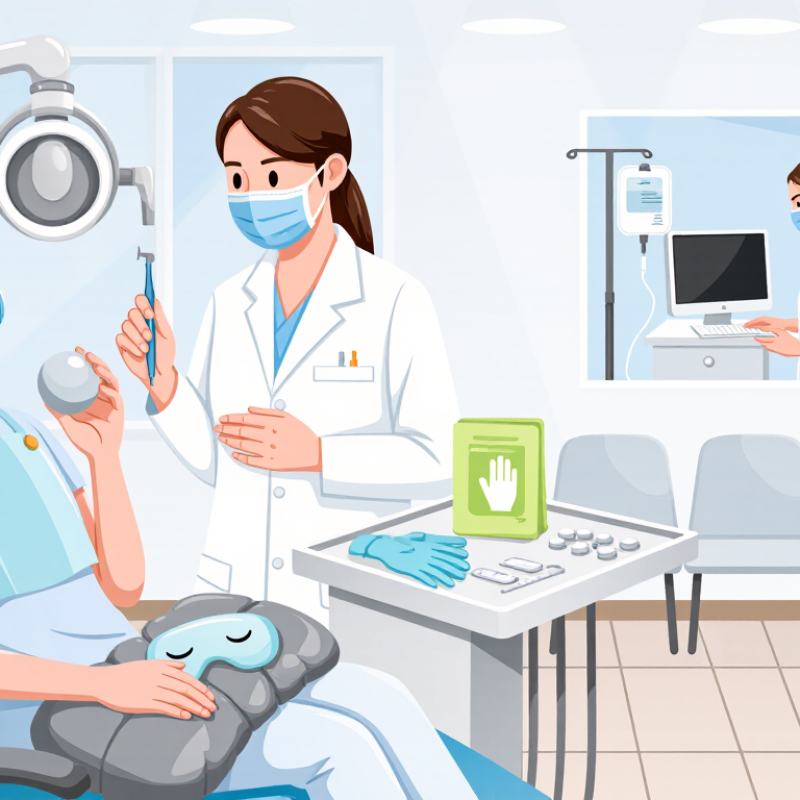
This guide examines practical products commonly considered in Chinese dental settings, including noise-cancelling headphones, calming eye masks, stress balls, weighted lap pads, and communication aids. Some clinics may also offer monitored sedation or prescribed medicines, but these require qualified dental professionals and careful medical assessment. They should never be purchased or used casually. Product safety, material quality, cleaning instructions, and age suitability matter, especially when items are used near the mouth or during treatment.

The strongest choices support communication rather than hide discomfort. A simple “pause” card or hand signal can give patients control when speaking is difficult. Small details matter. Soft headphones, a clean blanket, and a dentist who explains each step can change the whole appointment. Still, no product works for everyone. Some marketing claims sound impressive but lack reliable clinical evidence. That deserves honest reflection. Buyers should check manufacturer information, professional recommendations, and verified user feedback. Dentists should also consider allergies, hearing devices, pregnancy, chronic conditions, and treatment complexity. The goal is not to promise instant calm. It is to create a safer, more predictable dental experience through evidence-informed products and compassionate care.
China Best Dental Anxiety Management Products?

What Dental Anxiety Is and Why It Matters

China Best Dental Anxiety Management Products?

What Dental Anxiety Is and Why It Matters

Dental anxiety is more than ordinary nervousness before an appointment. It can cause a racing heart, tense muscles, sweating, or trouble sleeping. Some people fear pain, needles, drilling, embarrassment, or losing control. Others remember a difficult visit from childhood. The trigger is personal. The reaction is real.

Dental anxiety matters because it can delay checkups and treatment. A small cavity may become painful when care is postponed. In clinical conversations, patients often describe this cycle: fear leads to avoidance, and avoidance increases fear. Clear communication can interrupt it. Patients should tell the dental team about previous experiences, specific triggers, and preferred signals for stopping. A calm explanation may help, but it is not enough for everyone.

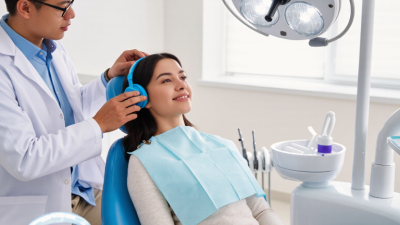
Simple management products can support a more comfortable visit. Noise-reducing headphones may soften drilling sounds. A stress ball can give restless hands a safe task. A breathing timer or visual countdown may make waiting feel more predictable. These tools do not treat the underlying anxiety. They should complement professional assessment, not replace it. Some people benefit from gradual exposure, relaxation training, or a carefully discussed medical option. Advice must come from a qualified dental or healthcare professional.

I used to think distraction solved most dental fear. That view was too simple. Trust, control, and respectful pacing often matter more than any single product. Even a small choice can help.

How Dental Anxiety Management Products Work

Dental anxiety management products work by reducing specific triggers, not by “removing fear” completely. A quiet waiting-room headset can lower drilling sounds and improve a patient’s sense of control. Weighted lap pads and stress balls provide steady pressure and hand activity. These simple details matter during injections or long procedures.

Clinical products use different pathways. Topical anesthetic gels numb surface tissue before needle contact. Nitrous oxide may reduce tension and increase cooperation, but trained dental professionals must control its use. Virtual-reality relaxation can redirect attention through guided scenes and breathing exercises. A 2023 Cochrane review found that distraction methods, including audiovisual tools, may reduce dental anxiety, although the evidence quality remains limited. That qualification matters.

The World Health Organization’s Global Oral Health Status Report 2022 identifies fear and anxiety as barriers to dental attendance. In practice, products work best beside clear explanations, consent, and gradual treatment. A patient may still feel nervous while using them. That is normal. Product packaging sometimes promises “complete calm,” which is too confident. Dentists should assess anxiety with validated tools, such as the Modified Dental Anxiety Scale, before choosing support. A 2021 systematic review reported that dental anxiety affects a substantial minority of adults, but estimates vary by questionnaire and population. Better measurement is still needed.

China Best Dental Anxiety Management Products? - How Dental Anxiety Management Products Work

Product or Method How It Works Typical Onset Typical Duration or Recovery Best Suited For Evidence and Key Limitations Safety Considerations
Nitrous Oxide–Oxygen Inhalation The patient inhales a carefully controlled mixture through a nasal hood. Nitrous oxide produces relaxation and reduces the perception of fear while the patient remains conscious and able to respond. Usually within 2–5 minutes. Effects wear off rapidly after oxygen is administered; many patients recover within approximately 5–15 minutes. Mild to moderate anxiety, needle fear, gag reflex, and short dental procedures. Well-established in dentistry for anxiety reduction. It may not be sufficient for severe phobia or patients who cannot tolerate a nasal hood. Requires trained clinical supervision and suitable ventilation. Respiratory conditions, pregnancy, nasal obstruction, and other medical factors require professional assessment.
Prescription Oral Sedative A prescribed anxiolytic, commonly from the benzodiazepine class, enhances inhibitory neurotransmission and reduces anticipatory anxiety and muscle tension. Commonly 30–60 minutes, depending on the medicine and patient. Sedation can continue for several hours; recovery varies considerably. Moderate to severe dental anxiety when inhalation sedation is unsuitable or insufficient. Can reduce anxiety and improve cooperation, but it does not remove the need for local anesthesia or psychological support. Prescription-only and requires a dental or medical assessment. No driving, alcohol, or unsupervised travel after use; respiratory-depressant medicines can increase risk.
Local Anesthetic Injection Temporarily blocks nerve conduction in the treatment area, preventing pain signals from reaching the brain. It treats procedural pain rather than the emotional cause of anxiety. Usually 2–10 minutes, depending on the anesthetic and injection site. Often about 1–3 hours for soft-tissue numbness; duration varies by agent, dose, and treatment area. Patients whose anxiety is mainly triggered by anticipated pain. Essential for many invasive procedures. It does not directly reduce fear, panic, or avoidance behavior. Temporary numbness and accidental biting may occur. Rare allergic or cardiovascular reactions require immediate professional management.
Topical Oral Anesthetic Gel or Spray Numbs superficial oral mucosa and can reduce discomfort from needle penetration or minor soft-tissue contact. Usually within 1–5 minutes. Generally short-acting, often approximately 10–30 minutes depending on the formulation and application site. Patients with needle-related fear or sensitivity to superficial oral contact. May make injections more tolerable, but it cannot replace deep local anesthesia and is not a standalone treatment for dental phobia. Use only as directed by a dental professional. Excessive application can increase systemic toxicity risk; swallowing numb tissue may cause injury.
Virtual Reality Distraction Headset Immersive visual and audio content directs attention away from dental sights, sounds, and sensations, reducing situational distress. Usually immediately after the headset is fitted. Primarily active during use; benefits may not continue after the session. Children and adults with mild to moderate procedure-related anxiety. Clinical studies generally support distraction for reducing perceived anxiety and pain, but results vary with content, procedure, and patient preference. May interfere with communication or cause motion sickness. The patient must still be able to respond to the dental team.
Noise-Cancelling Headphones and Audio Music, guided breathing, or calming audio masks drill sounds and provides an attentional focus unrelated to treatment. Immediate. Usually continues while the audio is being used. Patients who are particularly sensitive to dental equipment noise or prefer non-drug methods. Low-cost and low-risk distraction method; it may be less effective for severe phobia or panic symptoms. A communication signal should be agreed in advance. Volume must remain low enough for staff instructions and safety alerts to be heard.
Guided Breathing and Relaxation Device Visual or audio prompts encourage slow diaphragmatic breathing and muscle relaxation, helping reduce sympathetic arousal such as rapid breathing and tension. Often within several minutes of consistent practice. Benefits are strongest during practice and may improve with repeated training before appointments. Mild anxiety, anticipatory worry, and patients seeking a drug-free option. Useful as an adjunct to behavioral care; it is unlikely to be sufficient alone for severe dental phobia. The technique should not encourage prolonged breath-holding or hyperventilation. Stop if dizziness, chest discomfort, or worsening distress occurs.
Cognitive Behavioral Therapy Program or App Uses education, gradual exposure, cognitive restructuring, and coping skills to reduce catastrophic thoughts and avoidance over time. Progress usually develops over multiple sessions or weeks rather than immediately. Potentially long-lasting when skills are practiced and exposure is completed. Persistent dental phobia, appointment avoidance, and anxiety that returns between visits. CBT and graded exposure have strong support for specific phobias; self-guided digital tools may be less effective than clinician-supported therapy. Severe panic, trauma-related symptoms, or significant depression may require assessment by a qualified mental-health professional.
Pre-Appointment Communication and Stop-Signal Tools A written treatment plan, tell-show-do explanation, hand signal, and agreed pauses increase predictability and the patient’s sense of control. Can reduce anxiety before and during the visit. Benefits apply throughout the appointment and can improve future attendance. Most patients, especially children and people who fear loss of control. A core behavioral strategy that works best when the dental team consistently respects the agreed signal and explains each step. A stop signal does not replace emergency communication requirements. The clinical team should define when treatment must continue briefly for safety.

Note: Onset, duration, and suitability vary with the patient’s age, medical history, anxiety severity, procedure, dose, and local clinical protocols. Sedation and prescription medicines should only be selected and supervised by appropriately trained dental or medical professionals.

Main Types of Dental Anxiety Products Available in China

China Best Dental Anxiety Management Products?

Main Types of Dental Anxiety Products Available in China

Dental anxiety products in China usually support communication, comfort, or distraction. They do not replace clinical judgment. The WHO Global Oral Health Status Report 2022 estimates that 3.5 billion people live with oral diseases worldwide. Fear can delay treatment and worsen this burden.

Common options include noise-reducing earplugs, calming headphones, weighted lap pads, and stress balls. Visual countdown timers help children understand each treatment stage. Communication cards can let patients request a pause without speaking. Breathing apps and short audio programs may reduce tension before an appointment. Topical anesthetic products can improve comfort, but qualified dental professionals should select and apply them. Sedation is a clinical procedure, not a self-use product.

Tips: Ask the clinic about ingredients, age limits, cleaning procedures, and emergency protocols. Choose sealed, traceable products with Chinese instructions. A quiet room may help more than an expensive gadget. Test the product before treatment, when possible. No device works equally for every patient; I have found that personal control often matters most. This assumption still needs careful assessment.

The FDI World Dental Federation emphasizes prevention, patient-centered care, and clear communication. Therefore, clinics should combine products with gradual explanations and consent checks. Parents should avoid promising a completely painless visit. Honest language builds trust, even when treatment feels uncomfortable.

How to Compare Product Safety, Quality, and Effectiveness

When comparing China-made dental anxiety management products, safety should come before comfort claims. The World Health Organization reports that oral diseases affect nearly 3.5 billion people worldwide, making safe dental care products widely relevant. Check material declarations, manufacturing traceability, cleaning instructions, and documented biocompatibility testing. For products touching the mouth, evidence aligned with ISO 10993 is useful. Electrical devices should also show appropriate electrical safety and risk-management documentation.

Quality is more than smooth plastic or attractive packaging. Inspect seams, buttons, battery compartments, and disposable parts. A practical test is simple: can staff clean the product quickly between patients? Can a nervous user operate it with shaking hands? Independent laboratory testing, batch records, and a clear warranty improve reliability. Claims should match the evidence. “Reduces anxiety” is not the same as “prevents fear.”

Effectiveness needs careful comparison. Dental fear affects a substantial minority of adults, while the Cochrane evidence on psychological and distraction-based interventions remains mixed. Choose products that support communication, breathing, sound control, or patient choice, rather than promising instant calm. Measure results with a short anxiety scale before and after treatment. Patient feedback matters. However, one small clinic trial can mislead, and I have seen comfort mistaken for clinical effectiveness. That distinction deserves more attention.

How Dentists Use Anxiety Management Products in Practice

China Best Dental Anxiety Management Products?

Dentists manage anxiety through a planned combination of products and communication. The NHS Adult Dental Health Survey 2009 reported that 12% of adults felt extremely anxious about dental treatment. The World Health Organization also estimated that nearly 3.5 billion people live with oral diseases globally. Fear can delay care.

In practice, clinicians may begin with topical anesthetic gel, a slower injection technique, and noise-reducing headphones. Some patients may need nitrous oxide-oxygen sedation, delivered under proper assessment and monitoring. Prescribed oral medication requires medical review, clear consent, and safe transport arrangements. Dentists should check breathing, medical history, current medicines, and previous sedation reactions. Products support care. They do not replace trust.

Tips: Ask patients to choose a stop signal before treatment. Keep the syringe outside their view. Explain each step in plain language. Let them hold the suction tip briefly. A weighted blanket may calm some patients, but it can feel restrictive to others. Headphones can reduce drill noise, yet they may block important instructions. Small details matter.

A practical mistake is treating every anxious patient alike. A 2023 systematic review in the Journal of Dentistry linked dental anxiety with avoidance and poorer oral health, but individual responses still vary. Dentists should record what worked, what failed, and what felt uncomfortable. That record improves the next appointment. Sometimes, less equipment works better.

Skip footer

Join our dental family today.

Torrance DentistryDr. Steve & Daniel Yabuno

Address

3500 Lomita Blvd #103
Torrance, CA 90505

Opening Hours

  • Monday: 8:00 am - 5:30 pm
  • Tuesday: 8:00 am - 5:30 pm
  • Wednesday: 8:00 am - 5:30 pm
  • Thursday: 8:00 am - 5:30 pm
  • Friday: 8:00 am - 2:00 pm
  • Saturday: 8:00 am - 2:00 pm

Phone

(310) 530-7011

Follow Us