(310) 530-7011 Contact Us

Follow Us

How to Source the Best Family Dental Care Products

Choosing the best family dental care products requires more than colorful packaging and generous discounts. A reliable choice begins with daily routines, professional guidance, and careful attention to each family member’s needs. Children may need age-appropriate fluoride toothpaste, while adults might prefer products for sensitivity, braces, or dry mouth. One shelf rarely suits everyone.

Look closely at the details. Check ingredient lists, usage instructions, expiration dates, and manufacturer information. A soft-bristled toothbrush should feel gentle against the gums, not scratchy or harsh. Floss should slide between teeth without shredding immediately. Toothpaste should come from a reputable supplier and carry clear, verifiable quality information. Guidance from a licensed dentist or recognized dental association can help confirm whether a product fits your household.

Real experience matters, too. A child may reject a toothpaste because its mint flavor feels too strong. An older family member may struggle with a narrow toothbrush handle. These small problems can quietly destroy consistency. That matters.

Still, sourcing dental products is not perfectly predictable. A product recommended by a professional may not suit every person’s habits or sensitivities. Online reviews can be useful, but they are not clinical evidence. Even a careful checklist can miss comfort, taste, or accessibility. Families should reassess products after changes in age, oral health, medication, or dental treatment. When pain, bleeding, or persistent sensitivity appears, professional dental advice should replace guesswork. This guide explains how to compare suppliers, evaluate product quality, and build a practical routine without treating marketing claims as proof.
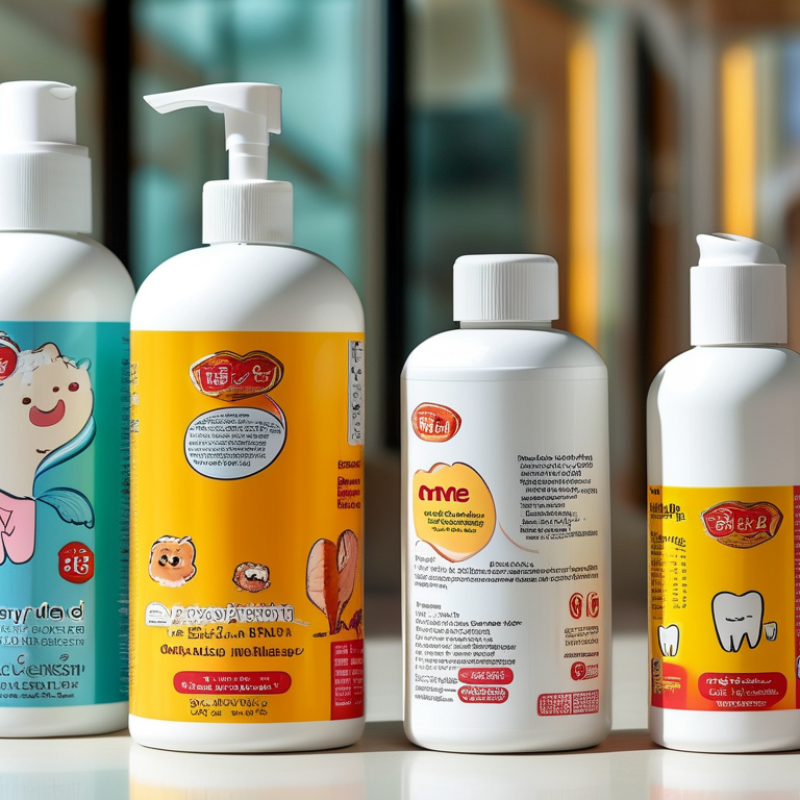
How to Source the Best Family Dental Care Products

Understanding Family Dental Care Needs

How to Source the Best Family Dental Care Products

Understanding Family Dental Care Needs

Family dental care begins with different mouths, not one shopping list. Infants, children, adults, and older people require different tools and routines. The World Health Organization reports that nearly 3.5 billion people live with oral diseases worldwide. Untreated decay remains widespread, even in families with regular bathroom routines.

For children, choose a soft, small-headed toothbrush and fluoride toothpaste. The American Dental Association recommends a rice-grain amount for children under three. Children aged three to six need a pea-sized amount, with adult supervision. Adults may need interdental brushes or floss, especially around bridges, braces, or crowded teeth. Older family members may need products designed for dry mouth or limited hand strength.

Check the fluoride level, safety instructions, and evidence behind each product. Avoid choosing only by price or attractive packaging. The Centers for Disease Control and Prevention found that about one in four adults aged 20 to 64 had untreated cavities during 2017–2020. That number suggests product access alone is not enough. Technique and consistency matter.

A family routine should fit real mornings. Keep supplies visible, label children’s items, and replace worn toothbrushes. A perfect routine is unrealistic. Some nights will fail. Review the routine after dental visits, and adjust products when bleeding, sensitivity, or discomfort continues. Professional guidance remains more reliable than online reviews.

Identifying Essential Dental Care Product Categories

How to Source the Best Family Dental Care Products

A useful family dental-care basket starts with clear product categories. Choose soft-bristled toothbrushes in age-appropriate sizes. Small heads help children reach back teeth. Adults may prefer handles with comfortable grips. Replace brushes when bristles spread, usually every three months.

Fluoride toothpaste supports cavity prevention when used correctly. Check the label for fluoride content and age guidance. Add dental floss or interdental brushes for cleaning between teeth. Mouthwash can support routines, but it should not replace brushing or flossing. Families with braces, dry mouth, or sensitive teeth may need different formulas. A dental professional can help identify suitable options.

Tips: Compare safety seals, expiry dates, instructions, and storage requirements. Keep products dry and separate. Do not share toothbrushes. I once bought an oversized brush because it seemed more efficient. It was uncomfortable and rarely reached the molars. That mistake changed how I shop. Comfort matters as much as features. For children, let them choose a bright color, but check the design carefully. Avoid sharp edges, loose parts, and confusing claims. A product can look advanced yet fit poorly. Ask a dentist about persistent bleeding, pain, or sensitivity instead of changing products repeatedly. Reliable care depends on consistent habits, suitable categories, and realistic family routines.

Evaluating Product Safety, Quality, and Suitability

How to Source the Best Family Dental Care Products

Safety should guide every family purchase. The World Health Organization’s Global Oral Health Status Report 2022 estimates that oral diseases affect nearly 3.5 billion people worldwide.

It also reports untreated decay in about 2 billion permanent teeth and 514 million primary teeth.

These figures make product selection more than a shopping decision.

Check age guidance, ingredient lists, seals, and storage instructions. For toothpaste, fluoride concentration matters, but children need age-appropriate amounts.

A rice-sized smear suits very young children, while older children may use a pea-sized amount under supervision.

Avoid products with unclear directions or damaged packaging. Electric brushes should include credible electrical safety information. Replace brush heads when bristles spread, not only when they look dirty.

Suitability is personal.

A child with sensitive gums may need softer bristles, while an adult with braces may require interdental tools. Dental professionals can match products to cavities, gum bleeding, dry mouth, or orthodontic appliances.

The American Dental Association’s evidence-based guidance supports fluoride toothpaste for cavity prevention when used correctly.

Still, labels can be confusing. I have sometimes trusted attractive packaging too quickly. That is a useful warning.

Compare evidence, usability, and family needs before buying.

WHO data also shows that access does not guarantee effective daily care. A product can be safe, yet unsuitable when children cannot use it comfortably.

Comparing Brands, Ingredients, and Professional Recommendations

Choosing family dental care products should begin with evidence, not packaging. The World Health Organization’s Global Oral Health Status Report (2022) estimates that nearly 3.5 billion people live with oral diseases. That scale makes ingredient quality important. For everyday cavity prevention, compare the fluoride concentration and active ingredient on each label. A 2019 Cochrane review found fluoride toothpaste consistently reduced caries compared with non-fluoride alternatives across 96 studies. Check the details.

Professional recommendations also help separate useful claims from attractive wording. Dental associations generally support twice-daily brushing with fluoride toothpaste, while pediatric guidance advises a rice-sized smear for children under three and a pea-sized amount from three to six. Parents should supervise brushing, especially when a child still swallows toothpaste. A soft-bristled brush and a comfortable handle may improve technique, but comfort is not proof of clinical performance. It is easy to overvalue it.

For sensitive teeth, compare ingredients such as potassium compounds or arginine, then ask a dentist about persistent symptoms. A product promising whitening may contain stronger abrasives, which can feel effective while increasing irritation for some users. I have seen shoppers compare prices but ignore fluoride levels and usage instructions. That is a practical mistake. Look for transparent ingredient lists, clear age guidance, independent professional review, and claims supported by published research. The ADA Seal program and equivalent national evaluation systems can provide useful screening, but approval does not replace personal dental advice.

Choosing Reliable Sources and Maintaining a Family Dental Supply Plan

How to Source the Best Family Dental Care Products

A dependable family dental plan begins with advice from a licensed dental professional. Ask which toothbrush types, fluoride levels, and cleaning tools suit each family member. Children, adults, and people with sensitive gums may need different products. Choose established pharmacies, licensed clinics, and reputable medical suppliers. Check sealed packaging, clear ingredient lists, expiration dates, and storage instructions before buying. Avoid unusually cheap items with unclear origins. They may look convenient, but quality is difficult to verify.

Our family once bought too many replacement heads and forgot their sizes. That mistake created waste and disrupted our routine. Now, we keep a simple supply list and review it every three months. It records toothbrush replacement dates, toothpaste preferences, floss supplies, and special dental needs. One cupboard shelf holds unopened items, while a small container stores daily products. This arrangement makes shortages easier to notice. It is not perfect. Travel and missed appointments still affect our schedule.

Tips: Buy only what your household can use before expiration. Keep receipts and supplier contact details. Replace toothbrushes after illness, visible wear, or roughly three months. Store dental products away from heat and moisture. Recheck children’s products as they grow. If bleeding, pain, or persistent sensitivity appears, contact a dental professional rather than changing treatment alone. Ask suppliers how products are sourced and whether safety information is available. That extra question can prevent a careless purchase.

How to Source the Best Family Dental Care Products

Annual planning quantities per family member based on widely recommended oral-care routines.

Plan for approximately 730 brushing sessions, 365 interdental-cleaning sessions, and 3 to 4 toothbrush replacements per person each year. Choose products that support these routines, check dental-care guidance, and keep a small reserve for travel or unexpected needs.

Planning basis: brushing twice daily, cleaning between teeth once daily, and replacing a toothbrush every 3–4 months.

Skip footer

Join our dental family today.

Torrance DentistryDr. Steve & Daniel Yabuno

Address

3500 Lomita Blvd #103
Torrance, CA 90505

Opening Hours

  • Monday: 8:00 am - 5:30 pm
  • Tuesday: 8:00 am - 5:30 pm
  • Wednesday: 8:00 am - 5:30 pm
  • Thursday: 8:00 am - 5:30 pm
  • Friday: 8:00 am - 2:00 pm
  • Saturday: 8:00 am - 2:00 pm

Phone

(310) 530-7011

Follow Us