How to Select the Best Din-Rail Industrial Switch for Your Needs?
Selecting the right Din-Rail Industrial Switch is crucial for industrial automation. These switches connect various devices in harsh environments, ensuring a reliable network. With numerous options available, the choice can feel overwhelming.
Understanding your specific needs is essential. Consider factors like network size, data speed, and environmental conditions. A robust Din-Rail Industrial Switch will withstand vibrations, dust, and humidity. Evaluating the switch’s specifications can help you make an informed decision.
Mistakes in selection can lead to network failures or costly downtimes. Reflect on past experiences to refine your choices. A good switch is not just about the features; it's about matching them to your unique situation. This guide aims to help you make a confident and informed choice.
Understanding Din-Rail Industrial Switches: Key Features and Benefits
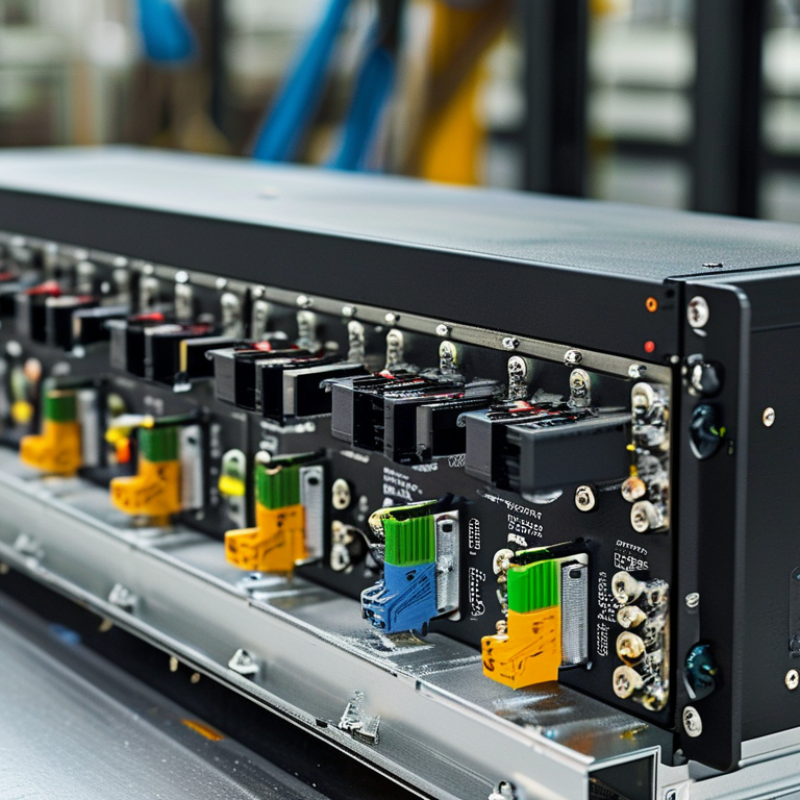
Din-Rail industrial switches play a crucial role in network connectivity within industrial environments. These switches are designed to be mounted on DIN rails, enabling easy installation and maintenance. One key feature is their robust build, ensuring longevity even in harsh conditions. They often come with a variety of port configurations, making them versatile for different setups.
Moreover, understanding the benefits of DIN rail switches can enhance your operational efficiency. Many models support Power over Ethernet (PoE), reducing the need for additional wiring. They also typically feature redundancy options, enhancing reliability in critical systems. However, not all switches are equal. It's essential to consider the specific demands of your application when making a selection.
Many users overlook the importance of environmental ratings. Proper ratings ensure that the switch can withstand dust, moisture, and temperature fluctuations. Connectivity options should also align with existing equipment. Balancing cost with functionality can be tricky. Sometimes, a more affordable option may not provide the necessary features. These considerations are vital for making an informed choice in selecting the best DIN-Rail industrial switch for your needs.
Assessing Your Network Requirements for Din-Rail Switch Selection
Assessing your network requirements is crucial when selecting a DIN-Rail industrial switch. Start by identifying the size and type of your network. How many devices will connect? Consider the bandwidth needed. If your applications demand high data transfer speeds, you may require a switch with higher throughput.
Environmental factors also matter. Does your setup expose the switch to extreme temperatures? Are there vibrations or moisture? Look for switches designed for tough conditions. They offer better reliability and longevity. Flexibility is key; choose a switch that can handle varying protocols and uplink speeds.
Don't overlook management features. Layer 2 and Layer 3 switches provide different capabilities. Managed switches offer more control, allowing for optimized performance. However, this adds complexity. In some cases, an unmanaged switch could suffice. Understand your current and future needs to avoid overcommitting resources. Finding the right balance between features and requirements is essential for effective network operation.
Evaluating Switch Performance: Speed, Port Count, and Reliability
When selecting a Din-Rail industrial switch, evaluating performance metrics like speed, port count, and reliability is crucial. Speed influences how quickly data can be transferred across your network. An optimal switch should support specific data rates that match your requirements. A delay in speed can lead to bottlenecks. Consider your network's scalability when making your choice.
Port count is equally important. The number of ports determines how many devices you can connect. A switch with fewer ports may hinder future expansion. Think about your current needs and anticipate growth. Sometimes smaller switches seem sufficient, but it's wise to prepare for unforeseen additions.
Reliability cannot be overlooked. Industrial environments can be harsh. A robust switch should withstand extreme temperatures and vibrations. Look for specifications that demonstrate endurance. Continuous uptime and consistent performance are vital for critical applications.
Tips: Always check industry certifications. They provide insight into a switch’s durability. Consider redundancy features. They help ensure continual network operation. Evaluate your existing network infrastructure to ensure compatibility for seamless integration.
How to Select the Best Din-Rail Industrial Switch for Your Needs?
| Switch Model | Speed (Mbps) | Port Count | Reliability (MTBF - Hours) |
|---|---|---|---|
| Model A | 1000 | 8 | 300000 |
| Model B | 100 | 16 | 250000 |
| Model C | 10 | 24 | 200000 |
| Model D | 1000 | 12 | 350000 |
| Model E | 100 | 8 | 220000 |
Comparing Budget Options: Costs and Value for Din-Rail Switches
When evaluating din-rail industrial switches, budget considerations are key. The price range can vary significantly, and it’s crucial to understand what you are getting for your money. Spending less might seem appealing, but cheaper models often compromise on durability and performance. These switches are used in harsh environments, and low-quality options may lead to failure.
A mid-range switch might offer a better balance between cost and functionality. Look for specs detailing temperature ranges, environmental resistance, and data handling capabilities. Consider potential hidden costs, like increased downtime or frequent maintenance with cheaper models. Investing in a reliable switch sounds wise if your operations demand long-term performance.
It’s important to reflect on your unique needs. Not every switch is designed for heavy-duty applications. For specific needs, focus closely on features. You may find that the best value does not always correlate with the lowest price. Sometimes, spending a little more on a well-reviewed model can save much in the long run.
Identifying Industry Standards and Certifications for Quality Assurance
When selecting a Din-Rail industrial switch, understanding industry standards and certifications is crucial for quality assurance. Look for compliance with EtherNet/IP, PROFINET, or IEC standards. These certifications signal that the switch meets stringent performance and reliability criteria.
A key tip is to verify third-party testing. Certifications from recognized organizations ensure that the switch has undergone comprehensive evaluations. This adds an extra layer of trustworthiness. Pay attention to environmental ratings as well. Many switches are rated for harsh conditions, ensuring functionality in extreme temperatures and vibrations.
Consider compatibility with your existing systems. Not all switches work seamlessly with every device. Some may require special configurations. Reflect on your current setup and future needs. This foresight can prevent costly adjustments later. Invest time in researching these aspects. Quality assurance in industrial switches should never be overlooked.
362 five star Google reviews
193 five star Yelp reviews