How to Choose the Right Clean Room for Your Business?
Choosing the right Clean Room is not simply a matter of selecting the highest classification. It is a practical decision shaped by your product, process, people, and facility limits. A pharmaceutical filling area may require strict control of airborne particles, pressure, temperature, and microbial risk. An electronics workshop may focus more heavily on dust, humidity, and electrostatic discharge. The correct solution begins with a clear risk assessment, not a glossy specification sheet.
Experienced facility teams usually compare ISO 14644-1 classification, airflow design, filtration, recovery time, monitoring systems, and maintenance access. They also examine how operators move through the room. A badly placed door can disturb airflow. A poorly designed gowning area can undermine expensive equipment. These details matter daily. They affect production stability, energy use, and audit readiness.
Still, no Clean Room design is perfect. A higher class can increase construction and operating costs without improving your actual process. Some businesses overbuy capacity, then struggle with training and cleaning discipline. Others focus on installation and underestimate validation, calibration, or future expansion. That is where professional guidance becomes valuable. Independent testing, documented procedures, and qualified suppliers can support reliable decisions. However, recommendations should match your operating evidence, not only industry fashion. Walk through the proposed layout with real staff. Watch how materials enter, where waste leaves, and what happens during a busy shift. The best choice is usually the room your team can control consistently, verify objectively, and maintain for years.
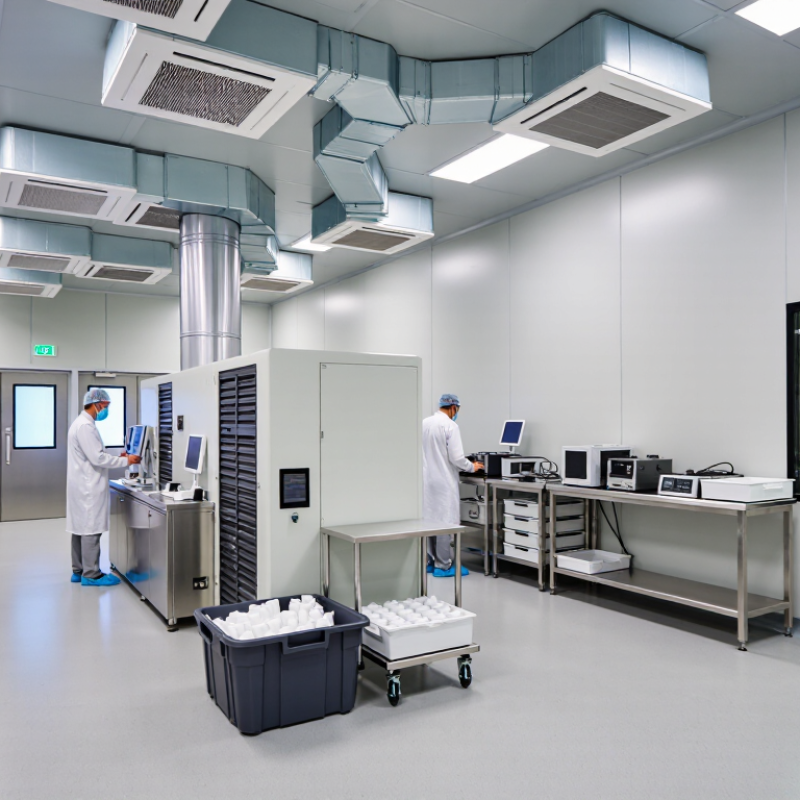
Define Clean Room Classes, Uses, and Contamination Control Needs
Choosing a clean room starts with contamination risk, not room size. ISO 14644-1:2015 classifies air by airborne particle concentration. At 0.5 micrometers, ISO Class 5 permits 3,520 particles per cubic meter. ISO Class 7 permits 352,000, while ISO Class 8 permits 3,520,000. These figures show the practical gap between precision manufacturing and general controlled assembly. Semiconductor work may require ISO Class 3–5 conditions. Packaging, medical-device assembly, or laboratory preparation may suit ISO Class 7–8.
Your process should define the class. Identify open products, exposed surfaces, personnel movement, and heat-producing equipment. A sterile process needs more than filtered air. EU GMP Annex 1 emphasizes airflow, pressure control, cleaning, monitoring, and personnel behavior. The World Health Organization’s Technical Report Series No. 961 also links contamination control with validated operations and environmental monitoring. A room can meet its classification and still fail through poor gowning or uncontrolled door opening.
Tips: Map contamination sources before requesting quotations. Measure particles during activity, not only at rest. Keep a pressure cascade diagram near the entrance. Review recovery time after door opening. Also question your assumptions. The strictest class is not always the safest choice; it can increase energy use, maintenance, and operational mistakes. Cleanroom Institute guidance and ISO 14644-2 recommend risk-based monitoring, but real production behavior often deserves closer attention than the specification sheet.
Assess Your Products, Processes, and Required Environmental Conditions
How to Choose the Right Clean Room for Your Business?
Assess the product before choosing the room. A sterile medical component, optical lens, and powdered material need different controls. Review every process step, from receiving materials to final packaging. Identify where particles, microbes, moisture, or static electricity could damage quality. In practice, production teams often focus on room size first. That can be a costly mistake. Product sensitivity should guide airflow, filtration, pressure, and surface requirements.
Map people, equipment, and material movement carefully. Each movement can introduce contamination or interrupt controlled conditions. Define the required particle class, temperature, humidity, pressure difference, and recovery time. Your process may also need special controls for vibration, light, or electrostatic discharge. Ask operators what really happens during busy shifts. Written procedures can miss practical shortcuts. I have seen clean rooms perform well during testing but struggle during daily production.
Tips: Start with measured process risks, not assumptions. Record seasonal temperature changes. Test cleaning methods on real surfaces. Leave space for maintenance access. Recheck requirements when products or equipment change. No plan is perfect. Build in monitoring points, review alarm records, and let trained staff challenge the original design.
Compare Clean Room Designs, Materials, Airflow, and Filtration Systems
How to Choose the Right Clean Room for Your Business?
A clean room should match your process, not simply look advanced. Begin with contamination risks, product sensitivity, staff movement, and equipment heat. A small assembly area may need a modular room with controlled airflow. Sterile or highly sensitive work may require a stricter classified environment. I have seen companies overspecify rooms and later struggle with energy costs. Bigger is not always better.
Materials affect maintenance and reliability. Smooth, non-shedding wall panels reduce dust traps. Resin floors with coved edges simplify cleaning around corners. Stainless steel can resist frequent sanitation, but it may increase project costs. Doors, lights, seals, and service panels also need careful review. One weak joint can undermine an otherwise sound design.
Airflow deserves practical testing. Unidirectional airflow can protect exposed products, while turbulent mixing may suit less demanding operations. Pressure differences should guide air from cleaner zones toward less clean areas. HEPA filtration is common, but filter choice depends on particle size, airflow volume, and required efficiency. ULPA filtration may not be necessary for every process. That distinction matters.
Measure recovery time, airflow velocity, temperature, humidity, and particle levels during commissioning. Then repeat checks after equipment changes. A design that performs well on paper may behave differently near workers, carts, or open doors. This is where many plans need honest reconsideration. The best choice balances contamination control, maintenance access, operating cost, and future process changes.
Select a Clean Room Supplier and Verify Performance After Installation
How to Choose the Right Clean Room for Your Business?
Selecting a clean room supplier requires more than comparing prices and floor plans. Assess the supplier’s engineering experience, technical documentation, and record of completed projects. Ask for references from facilities with similar cleanliness, pressure, and temperature requirements. A capable supplier should explain airflow patterns, filtration stages, material choices, and maintenance access clearly. Vague answers are a warning sign. Request factory test reports, calibration records, and a detailed installation schedule before signing an agreement.
Tips: Define your process risks first. Specify particle limits, pressure differences, humidity ranges, personnel flow, and equipment loads. Visit an operating project if possible. Look closely at door seals, ceiling joints, drain details, and control panels. Small defects can create expensive problems later.
Performance verification should begin immediately after installation. Use calibrated instruments to measure airborne particles, room pressure, temperature, humidity, airflow volume, and recovery time. Conduct HEPA filter leak testing and smoke visualization to identify turbulence or dead zones. Compare every result with the approved design and applicable clean room standards. Keep signed commissioning records, test locations, instrument details, and corrective actions. Do not accept a room because it looks clean. Appearance proves very little. In practice, schedules can encourage rushed testing, and that is where mistakes happen. If results fail, require root-cause analysis and retesting before production begins. Also confirm operator training, alarm settings, filter replacement procedures, and planned maintenance responsibilities. A clean room is a controlled system, not merely a sealed room.
How to Choose the Right Clean Room for Your Business?
Use the required ISO classification to evaluate a clean room supplier, then verify airborne particle performance after installation.
The chart shows the maximum permitted concentration of airborne particles at least 0.5 μm in size under ISO 14644-1 classification limits. Lower particle limits indicate stricter cleanliness requirements. After installation, independent testing should confirm particle counts against the selected ISO class under the applicable occupancy state.
 362 five star Google reviews
 193 five star Yelp reviews