How to Choose the Best Residential Door Lock for Your Home?
Choosing the right Residential Door Lock is a crucial decision for homeowners. A secure and reliable lock not only protects your home but also contributes to your peace of mind. Security is not a one-size-fits-all issue, as different families have varying needs.
When selecting a lock, consider factors like durability and ease of use. Some locks offer advanced features, but they can be complicated. A family with children might prefer simple mechanisms. Additionally, think about the type of door you have. Exterior and interior doors often require different types of locks.
Research is essential. Look for expert opinions and user reviews. Sometimes, local specialists can provide insights into what works best for your area. Remember, a more expensive lock doesn’t always mean better security. Reflect on your lifestyle and habits—this will guide you to the most suitable Residential Door Lock for your home.
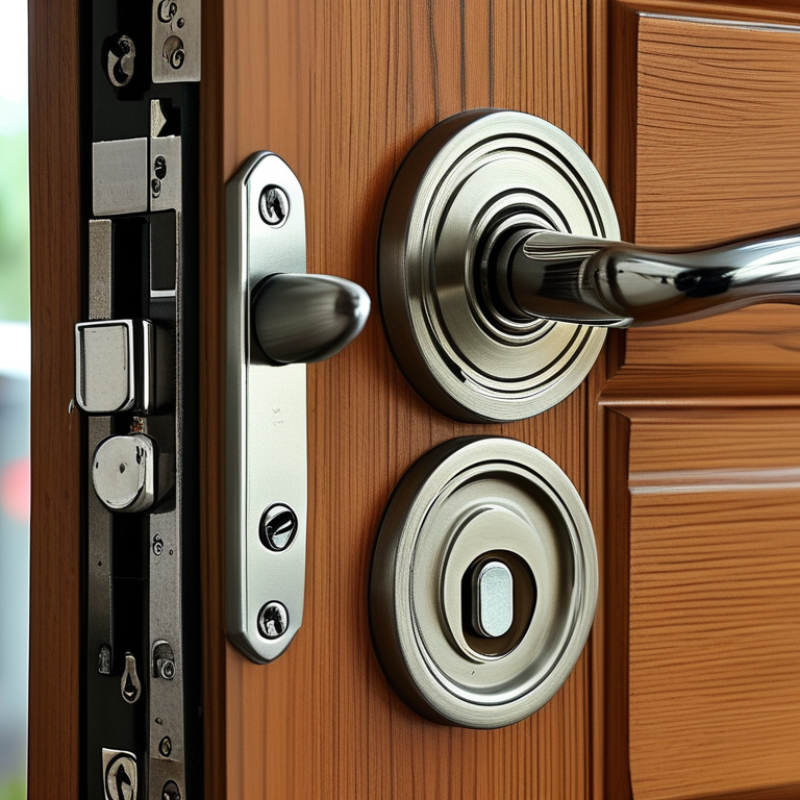
Understanding the Different Types of Residential Door Locks
Choosing the right residential door lock can be daunting. There are several types available, each with unique features. Understanding these variations is crucial for your home’s safety.
Deadbolt locks are among the most secure options. They offer a solid barrier against forced entry. A single cylinder deadbolt requires a key outside but can be operated by a thumb latch inside. This type is ideal for exterior doors. For added security, consider a double-cylinder deadbolt. It requires a key on both sides. Be mindful, though; they can pose safety risks during emergencies.
Knob locks are common but less secure on their own. They are often paired with deadbolts for improved reliability. Smart locks have become increasingly popular. They offer convenience and can be controlled via smartphones. However, they depend on batteries, which can fail. Always have a backup key.
When selecting a lock, consider your local crime rates and home layout. Engage with professionals for insightful recommendations. Trust your instincts; if a lock feels inadequate, explore other options. Prioritize your safety and peace of mind.
Key Features to Consider When Choosing a Door Lock
Choosing the right residential door lock requires careful consideration of various features. Security is paramount. Look for locks with a robust construction and pick-resistant technology. Aim for products that meet recognized safety standards. The installation process shouldn't be too complex, but opt for options that provide clear guidance.
Another critical factor is the type of locking mechanism. Deadbolts offer more security than spring bolts. Smart locks add convenience, but may require a stronger internet connection. Assess your home’s needs and select a mechanism that suits your lifestyle.
Consider also the aesthetics of the lock. A good design should complement your home’s style while offering practicality. Finally, think about ease of use. Some locks may be difficult for family members to operate. It’s vital to find a balance between security and usability. Reflection on these factors can guide you to make a informed choice.
Assessing Your Home Security Needs and Risks
When assessing your home security needs, start by identifying potential risks. Consider your neighborhood's crime rates. A high crime rate may warrant stronger security measures. Evaluate your home's entry points, such as doors and windows, for vulnerabilities. Look for low-quality locks or weak frames that could be easily compromised. Remember, an effective lock should fit seamlessly into your doors and work reliably.
Consider installing additional security features. Reinforced strike plates can enhance the strength of your door frame. Smart locks offer convenience and can alert you to unauthorized access. Always ensure that locks meet national standards for security. This attention to detail can make a significant difference in your overall safety.
Regularly inspect your locks, especially after bad weather. Damage to locks can occur over time. A malfunctioning lock can lead to frustration and vulnerabilities. Stay informed about the latest locking technologies. Knowledge is a key component of home security. Reviewing your options periodically can help you make informed decisions that best fit your needs.
How to Choose the Best Residential Door Lock for Your Home? - Assessing Your Home Security Needs and Risks
| Lock Type | Security Level | Price Range | Recommended For | Installation Difficulty |
|---|---|---|---|---|
| Deadbolt | High | $30 - $100 | Main Entry Doors | Moderate |
| Smart Lock | High | $100 - $350 | Tech-Savvy Users | Hard |
| Knob Lock | Low | $15 - $50 | Internal Doors | Easy |
| Lever Handle Lock | Moderate | $25 - $80 | Office/Commercial | Moderate |
| Electronic Lock | High | $80 - $250 | Homeowners with Frequent Visitors | Hard |
Comparing Lock Brands and Their Reliability Ratings
When it comes to securing your home, choosing a reliable residential door lock is essential. The reliability of various lock brands greatly influences your decision. Each brand has its strengths and weaknesses. Researching these differences can be incredibly helpful. Some brands stand out due to their rigorous testing and positive user feedback. Others may present vulnerabilities over time, which could compromise your security.
Understanding the ratings of different locks is crucial. Many sources assess lock reliability based on factors like durability and resistance to forced entry. However, consumers often overlook these ratings. There can be discrepancies in reviews and personal experiences. A lock that works well for one homeowner may not suit another's needs. Some locks may seem reliable but fail under specific conditions.
Being informed about the brands and their reliability ratings can guide your choice. It’s wise to consider consumer reports and expert analyses. However, do not rely solely on ratings. Personal experiences and anecdotal evidence add invaluable insights. Engaging in conversations with neighbors about their lock experiences can provide additional knowledge. Make sure to weigh both expert opinions and real-world usability before making a final decision.
Installation and Maintenance Tips for Door Locks
When selecting and installing a door lock, proper maintenance can extend its lifespan and ensure security. Start by choosing a lock suited for your door material. Wooden doors may require different locks compared to metal doors. Always ensure that the lock is aligned correctly during installation. Misalignment can lead to malfunctioning down the road.
Regular checks are vital. Look for signs of wear or corrosion on both the lock and the key. Lubricating the lock periodically helps smooth operation. Use a graphite lubricant rather than oil-based sprays. The latter can attract dirt and grime, leading to future problems.
If the lock starts sticking or becomes difficult to turn, it may need adjustment. Sometimes, simply realigning the strike plate can resolve these issues. Always keep a backup key in a safe place, but ensure that it’s not easily accessible to intruders. Keeping your locks in good condition reflects a proactive approach to home security.
362 five star Google reviews
193 five star Yelp reviews