Best Wheat Gluten Pellets for Global Buyers to Consider?
Wheat Gluten Pellets have gained attention among global buyers seeking high-quality ingredients for various applications. These pellets, derived from wheat, are valued for their rich protein content and versatility. They serve as ideal components in animal feed, food processing, and even as meat substitutes in vegan diets.
Choosing the best Wheat Gluten Pellets can be challenging. Factors such as sourcing quality wheat, production methods, and nutritional profiles are crucial. Not all suppliers maintain consistent standards. Thus, buyers must prioritize trusted sources with a good track record.
Wheat Gluten Pellets can vary significantly in quality. Some might lack essential nutrients. Others may contain unwanted fillers. Researching suppliers and checking their credentials is vital to ensure reliability and effectiveness. Ultimately, informed decisions lead to better purchase outcomes.
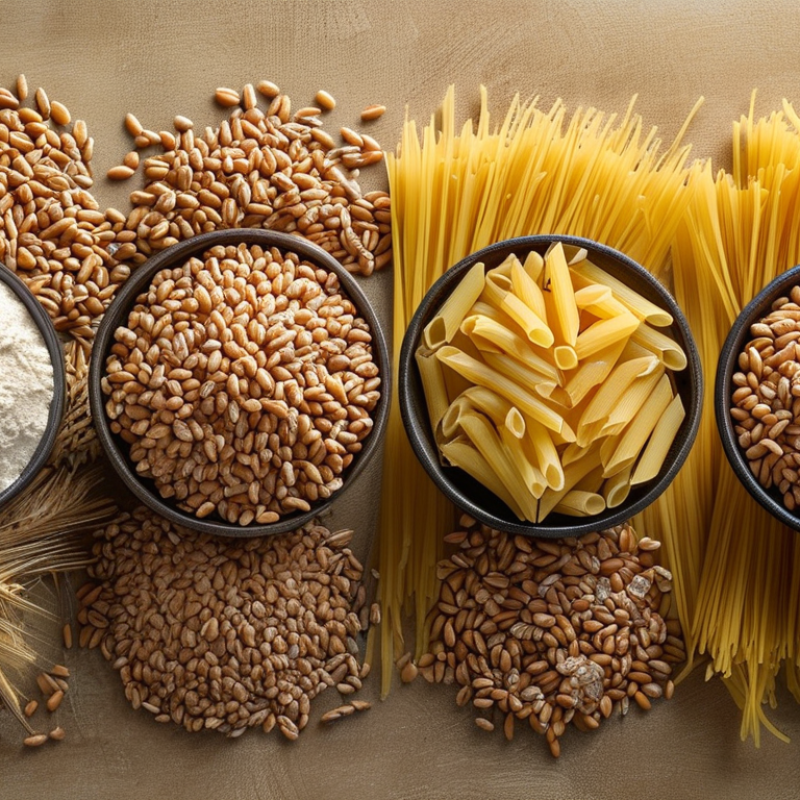
Overview of Wheat Gluten Pellets in the Global Market
Wheat gluten pellets have gained significant traction in the global market due to their diverse applications. These pellets are primarily used in animal feed, as they provide a rich source of protein. Farmers often seek high-quality pellets to enhance livestock nutrition. The demand for efficient feed sources is also driving growth in this sector.
In recent years, various regions have emerged as key players in the wheat gluten pellet market. Producing countries focus on improving production techniques. However, quality consistency remains a challenge. Buyers must navigate fluctuations in supply and demand, influencing pricing and availability. The market landscape is continuously evolving, urging buyers to stay informed.
Despite the growing popularity of wheat gluten pellets, many buyers may overlook critical factors. Understanding the nutritional composition is essential for making informed decisions. Furthermore, the ethical sourcing of wheat is equally important. Practicing due diligence will ensure the sustainability of this resource. Buyers should engage with suppliers who prioritize transparency and quality assurance.
Best Wheat Gluten Pellets for Global Buyers to Consider
| Country | Production Volume (Metric Tons) | Export Volume (Metric Tons) | Average Price (USD/Metric Ton) | Main Importers |
|---|---|---|---|---|
| United States | 150,000 | 80,000 | 900 | Canada, Mexico |
| Germany | 120,000 | 60,000 | 950 | France, Netherlands |
| China | 200,000 | 100,000 | 800 | Japan, South Korea |
| India | 80,000 | 30,000 | 870 | Bangladesh, UAE |
| Brazil | 60,000 | 25,000 | 850 | Argentina, Chile |
Key Features to Evaluate When Choosing Wheat Gluten Pellets
When selecting wheat gluten pellets, several key features should be considered. Quality is crucial. Look for products with a high protein content, typically above 80%. This ensures optimal performance in various applications. The protein should come from high-quality wheat. Analyzing the source can provide insights into its effectiveness.
Texture matters as well. The pellets should have a uniform size and consistency. This ensures even cooking and mixing. Avoid pellets that vary significantly in size. They can create uneven results in recipes. Hydration properties are also important. High-quality pellets will absorb water efficiently, leading to better dough elasticity.
Packaging and storage conditions can impact quality. Ensure products are stored in a cool, dry place. This prolongs shelf life and maintains freshness. Be mindful of expiry dates. Transparency about sourcing and production practices is essential for reliability. Look for suppliers that prioritize quality control. Understanding these features can help in making informed choices. Trustworthy sources will provide consistent and effective wheat gluten pellets.
Top Manufacturers of Wheat Gluten Pellets Worldwide
Wheat gluten pellets have become essential for various industries, especially in food production. They serve as a rich protein source. Their application in animal feed is significant. Many manufacturers are focusing on improving quality and availability.
Top manufacturers are expanding globally. They put great emphasis on sustainability. According to industry reports, the global wheat gluten market was valued at around $5 billion in 2022. Growth is expected to exceed 6% annually. Manufacturers are responding to rising demands from health-conscious consumers and the pet food industry.
In production, some companies face challenges. Quality control is vital. Not all manufacturers maintain consistent standards. According to a recent report, about 20% of suppliers experienced issues with product purity. Reliable sources are crucial for buyers. Investing in suppliers with proven track records can help mitigate risks.
Comparison of Prices and Quality for Wheat Gluten Pellets
Wheat gluten pellets have gained popularity among global buyers due to their versatility and nutritional benefits. When examining the prices of these pellets, it’s crucial to consider both quality and sourcing conditions. Recent industry reports indicate that the average price range for quality wheat gluten pellets varies between $800 to $1,200 per ton, depending on the supplier and region.
Quality assessment is essential. Pellets with higher protein content, typically around 75-85%, are often favored for livestock feed and food products. However, the prices can fluctuate significantly based on the protein percentage and the production processes used. Some suppliers may offer lower prices, but they might compromise on nutrient quality. Buyers should investigate certificates of analysis (COA) to validate the nutrition claims provided by suppliers.
Sustainability and sourcing methods must also be examined. Some products may attract consumers with lower prices but involve less sustainable agricultural practices. The usage of chemicals in wheat cultivation often raises questions about overall safety and quality. Buyers should weigh these factors carefully against their budgets. Attention to sourcing can enhance the overall value of their purchase while promoting ethical practices.
Sustainability and Sourcing Practices in Wheat Gluten Production
Sustainability and sourcing practices in wheat gluten production have become critical factors for global buyers. The demand for wheat gluten is on the rise, projected to reach $4.4 billion by 2026, according to recent market analysis reports. This growth has prompted manufacturers to adopt more sustainable farming and production techniques. Sustainable practices include using organic farming methods, reducing pesticide use, and improving water management.
However, challenges remain. Many producers still rely on conventional agriculture, which can harm ecosystems. The global wheat deficit is another concern, impacting sourcing practices. Buyers must critically assess supply chain transparency to ensure they source ethically. Reports suggest that only 30% of global wheat production is cultivated under sustainable practices. This illustrates a gap that needs addressing.
Additionally, buyers should consider the carbon footprint of transportation when sourcing wheat gluten. Local sourcing can reduce emissions, but it may limit availability. As transparency in sourcing improves, so will buyer confidence. Engaging with suppliers about their sustainability efforts is essential. It is a step toward making informed choices in this evolving industry.
362 five star Google reviews
193 five star Yelp reviews